


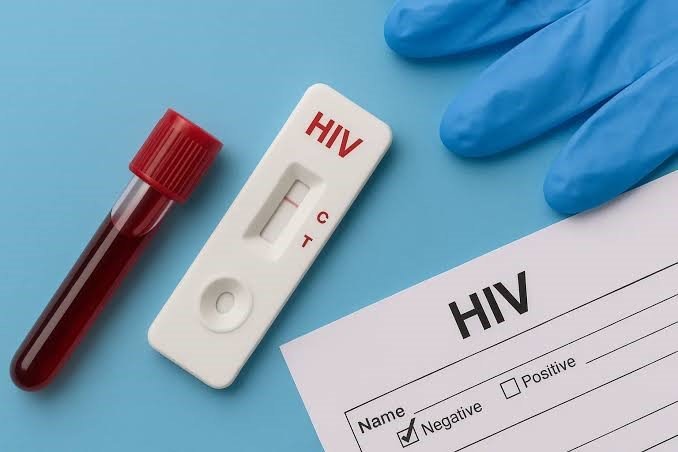
The World Health Organization (WHO) has released updated guidance on the dosing of antiretroviral (ARV) medicines used to treat newborns, infants, and young children living with HIV.
The revised recommendations are intended to help healthcare providers deliver safer and more effective HIV treatment for children, particularly during the first months of life when accurate medication dosing is critical. The update reflects the latest scientific evidence and aims to improve treatment outcomes for children worldwide.
Updated Recommendations for Healthcare Providers
According to the WHO, the revised guidance includes updated dosage recommendations for several antiretroviral medicines based on a child’s:
- Age
- Body weight
- Stage of development
The organization says the changes are designed to ensure children receive the appropriate amount of medication while reducing the risk of underdosing or overdosing.

Importance of Early HIV Treatment
Health experts stress that early diagnosis and prompt treatment are essential for babies born with HIV.
Without treatment, HIV can weaken a child’s immune system, making them more vulnerable to serious infections and other health complications. Starting antiretroviral therapy as early as possible can significantly improve survival rates and long-term health outcomes.
Supporting Countries in HIV Care
The WHO said the updated dosing guidance will support national health ministries, hospitals, and healthcare workers in providing standardized HIV treatment for children.
The organization also encouraged countries to ensure consistent access to quality HIV medicines, laboratory testing, and follow-up care for children receiving treatment.
Global Progress Continues
Although significant progress has been made in expanding access to HIV treatment, the WHO noted that many children still face barriers to diagnosis and care, particularly in low- and middle-income countries.
The agency is working with governments and international partners to strengthen prevention of mother-to-child transmission, improve early infant diagnosis, and expand access to life-saving medicines.
Looking Ahead
The WHO says continued investment in paediatric HIV services, alongside updated clinical guidance, will help improve the quality of care for children living with HIV and support global efforts to end AIDS as a public health threat.




