


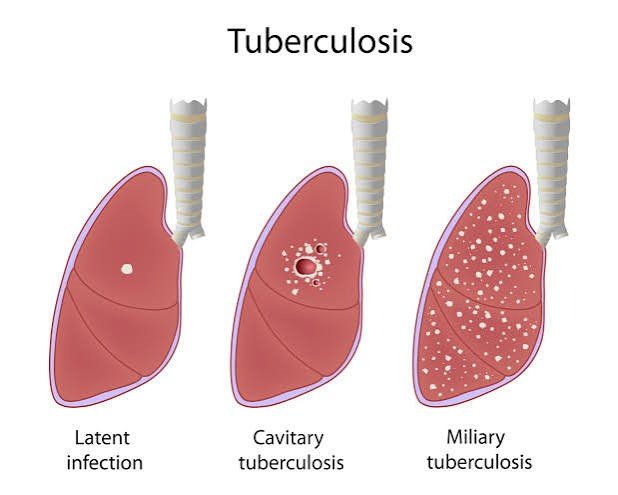
Tuberculosis (TB) remains one of the world’s deadliest infectious diseases, affecting millions of people each year. Although TB is preventable and curable, delayed diagnosis and incomplete treatment continue to contribute to its spread, particularly in low- and middle-income countries.
Health experts are urging individuals to recognise the symptoms of tuberculosis, seek prompt medical care and complete their prescribed treatment to reduce transmission and improve recovery.
What Is Tuberculosis?
Tuberculosis is an infectious disease caused by the bacterium Mycobacterium tuberculosis. It primarily affects the lungs, but it can also spread to other parts of the body, including the kidneys, spine and brain.
TB spreads through the air when a person with active tuberculosis of the lungs coughs, sneezes or speaks, releasing tiny droplets that may be inhaled by others nearby.

Common Symptoms
The symptoms of tuberculosis usually develop gradually and may include:
- A persistent cough lasting two weeks or longer
- Chest pain
- Coughing up blood or mucus
- Fever
- Night sweats
- Unexplained weight loss
- Loss of appetite
- Persistent fatigue and weakness
Health professionals advise anyone experiencing these symptoms to visit a healthcare facility for proper evaluation and testing.
Who Is Most at Risk?
Anyone can develop tuberculosis, but certain groups are at higher risk, including:
- People with weakened immune systems
- Individuals living with HIV
- People with diabetes
- Smokers
- People living in overcrowded conditions
- Healthcare workers exposed to TB patients
- Individuals with poor nutrition
Early screening is especially important for people in these high-risk groups.
How Tuberculosis Is Diagnosed
Healthcare providers diagnose TB using a combination of medical history, physical examination and laboratory tests. These may include:
- Sputum tests
- Chest X-rays
- Molecular diagnostic tests
- Tuberculin skin tests or blood tests where appropriate
Early diagnosis allows treatment to begin before the disease causes severe complications or spreads to others.
Treatment and Recovery
Tuberculosis can be cured with a combination of antibiotics prescribed by qualified healthcare professionals. Treatment usually lasts several months, and patients are advised to complete the full course of medication even if they begin to feel better.
Stopping treatment too early can lead to drug-resistant tuberculosis, which is more difficult and costly to treat.
Preventing the Spread of TB
Health experts recommend several measures to reduce the spread of tuberculosis:
- Seek medical attention promptly if symptoms develop.
- Complete the full course of prescribed TB medication.
- Cover the mouth and nose when coughing or sneezing.
- Ensure good ventilation in homes and workplaces.
- Avoid close contact with others if diagnosed with active TB until a healthcare provider advises it is safe.
- Attend regular follow-up appointments during treatment.
Public health programmes also play a vital role in detecting cases early and supporting patients throughout treatment.
The Importance of Public Awareness
Health organisations continue to promote tuberculosis awareness through community education, routine screening and improved access to healthcare services. Increasing public understanding of TB helps reduce stigma, encourages early diagnosis and supports efforts to eliminate the disease.
Conclusion
Tuberculosis remains a major public health concern, but it is preventable, treatable and curable with early diagnosis and proper medical care. By recognising symptoms, seeking prompt testing, completing treatment and following public health recommendations, individuals can protect themselves and help prevent the spread of tuberculosis. Health experts agree that awareness, timely treatment and community support remain essential in the fight against TB.




