


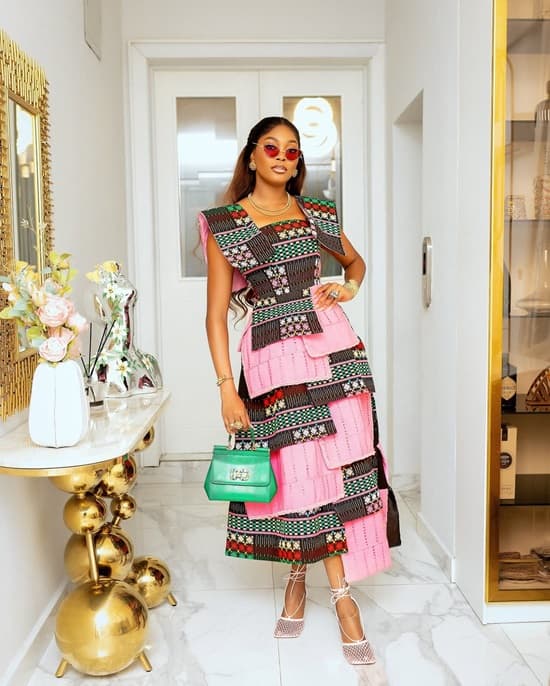
Nigeria’s fashion industry is entering a new phase in 2026 as changing lifestyles, social media, global influences and the creativity of young designers continue to reshape the way people dress. Ankara remains an important part of Nigerian fashion, particularly for weddings, cultural celebrations and special occasions, but the modern Nigerian wardrobe is becoming much more diverse. From minimalist ready-to-wear pieces to oversized silhouettes, elegant separates, modern traditional outfits and carefully styled everyday looks, Nigerian fashion is increasingly moving beyond one dominant fabric or style.
For generations, Ankara has played a central role in African fashion. Its colourful prints, cultural significance and versatility have made it a favourite among Nigerian women and men. However, the growth of Nigeria’s fashion industry has introduced customers to a much wider range of fabrics, silhouettes and styling options. In 2026, fashion-conscious Nigerians are increasingly interested in clothing that combines comfort, individuality and sophistication.
One of the most noticeable trends is the growing popularity of minimalist fashion. Instead of relying heavily on elaborate prints, many young Nigerians are embracing simple garments with clean cuts and carefully selected colours. Plain dresses, structured tops, wide-leg trousers, fitted skirts and coordinated sets are becoming important parts of contemporary wardrobes.
The appeal of minimalism is partly connected to versatility. A well-designed plain outfit can be worn to work, dinner, church, social events or casual gatherings depending on how it is styled. This makes minimalist fashion particularly attractive to customers who want to get more value from their clothing.

According to DDM News, the growing preference for versatile fashion reflects a broader change in how Nigerian consumers think about clothing. Fashion is increasingly being viewed not only as a way to make a statement but also as an investment. Customers want pieces that can be styled differently and worn on several occasions rather than outfits that serve only one purpose.
Another trend gaining attention is the continued popularity of wide-leg trousers and palazzo trousers. These silhouettes have become favourites because they combine elegance with comfort. Unlike very tight trousers, wide-leg designs allow greater freedom of movement while still creating a sophisticated appearance.
Palazzo trousers are particularly versatile because they can be paired with fitted tops, blouses, corset-inspired pieces, shirts or coordinated jackets. Designers are also experimenting with different fabrics, waistlines and lengths, making the style suitable for both casual and formal dressing.
Oversized clothing is also influencing Nigerian street style. Loose shirts, oversized blazers, relaxed trousers and large silhouettes are increasingly being incorporated into everyday outfits. For younger consumers, the trend offers a balance between comfort and fashion.
The rise of oversized fashion also demonstrates how Nigerian style is becoming more connected to global streetwear culture. However, Nigerian consumers are not simply copying foreign trends. They are adapting them to local tastes by combining oversized pieces with traditional accessories, African fabrics and locally produced footwear and bags.
Another important development is the rise of coordinated sets. Matching tops and trousers, skirts and tops, or jackets and trousers provide customers with a complete outfit without requiring them to spend significant time deciding what to wear.
For fashion businesses, coordinated sets are also commercially attractive. A brand can sell multiple pieces as part of one collection while allowing customers to wear them separately. This creates greater flexibility for both the designer and the customer.
The Nigerian fashion industry is also seeing stronger interest in contemporary traditional fashion. Rather than completely abandoning traditional clothing, designers are redesigning it for modern lifestyles. Native outfits are being produced with simpler silhouettes, modern cuts and updated styling.
For example, traditional fabrics can be used to create structured dresses, modern two-piece outfits, stylish shirts, skirts and jackets. This approach allows customers to maintain a connection to Nigerian culture without necessarily wearing conventional traditional designs.
The evolution of the traditional outfit is particularly visible at weddings and other major social occasions. Nigerian weddings remain important spaces for fashion expression, and guests often use the opportunity to experiment with dramatic silhouettes, embellished fabrics and carefully coordinated accessories.
However, even occasion wear is changing. Customers are increasingly interested in outfits that combine cultural elements with contemporary fashion. A dress may feature African fabric but use a modern silhouette. A traditional shirt may be paired with trousers cut in a more contemporary style. These combinations are helping Nigerian fashion develop its own distinctive language.
Another trend gaining momentum is the increasing interest in quality tailoring and structured clothing. Customers are paying closer attention to fit, finishing and construction. As social media exposes Nigerian consumers to international fashion, expectations surrounding garment quality are also rising.
A beautiful fabric alone is no longer enough. Customers increasingly want clothing that fits properly, has clean seams and maintains its shape after use. This is creating opportunities for skilled Nigerian tailors and designers who can combine creativity with technical precision.
The growth of ready-to-wear fashion is contributing to this development as well. Nigerian customers who previously depended heavily on custom tailoring now have access to brands offering professionally produced garments in standard sizes. Ready-to-wear has made fashion more convenient for customers who want to purchase an outfit and wear it without waiting several days or weeks for production.
Social media is playing a major role in spreading these trends. TikTok, Instagram and other platforms allow Nigerians to discover new styles almost instantly. A fashion idea can gain popularity after being featured by a content creator, celebrity or designer.
This has made Nigerian fashion more dynamic. Trends that might once have taken months to spread can now become popular within days. Designers therefore have to pay attention to what audiences are responding to while still developing original styles.
The influence of celebrities and fashion creators remains significant. When popular Nigerian personalities appear in a particular silhouette or styling approach, their audiences often seek similar looks. However, the influence is increasingly shared with ordinary content creators whose fashion videos can attract large audiences.
This has made fashion more democratic. A person does not necessarily need to be a traditional celebrity to influence what people wear. A creative content creator with a strong understanding of styling can introduce thousands of people to a new trend.
Another emerging feature of Nigerian fashion in 2026 is the increased focus on personal style. Rather than simply following every trend, many young consumers are becoming more interested in developing recognizable individual aesthetics.
Some prefer neutral colours and simple silhouettes. Others favour bold colours, dramatic sleeves, fitted dresses, streetwear or vintage-inspired outfits. The important change is that consumers increasingly have access to enough fashion choices to build wardrobes around their personalities.
This shift presents a major opportunity for Nigerian fashion entrepreneurs. Designers who understand different customer identities can create collections for specific audiences rather than trying to appeal to everyone.
The demand for locally made fashion is also creating opportunities for small businesses. As consumers discover independent Nigerian designers online, they can support brands producing clothing locally. This can help strengthen the wider fashion ecosystem, including fabric sellers, tailors, pattern makers, photographers, models, stylists, delivery businesses and content creators.
DDM News notes that the evolution of Nigerian fashion is not about abandoning Ankara or traditional clothing. Instead, it is about expanding the definition of Nigerian style. Ankara remains important, but it now exists alongside a much broader range of fabrics, silhouettes and fashion influences.
Nigerian designers are increasingly demonstrating that African fashion can be modern without losing its cultural identity. They are taking familiar elements and reinterpreting them through contemporary cuts, innovative styling and new business models.
As 2026 progresses, Nigerian fashion is likely to continue evolving rapidly. Customers will demand greater variety, better quality and more individuality, while designers will have to balance creativity with affordability and commercial realities.
The future of Nigerian style may therefore not be defined by one fabric or one silhouette. It will be defined by experimentation. Ankara will remain part of the story, but it will share the stage with minimalist designs, modern traditional wear, wide-leg trousers, coordinated sets, oversized clothing, structured garments and countless new interpretations of African fashion.
Ultimately, the strength of Nigerian fashion has always been its ability to evolve. The industry has repeatedly demonstrated that tradition and modernity can exist together. In 2026, that ability to adapt is creating a fashion culture that is more diverse, more commercially ambitious and increasingly confident in presenting Nigerian creativity to the rest of the world.




