


tech-meta-musk-documentary-ads
erefore, the studio can now proceed with its digital rollout in time for theaters.
Political Content Guidelines Trigger Industry Backlash
Additionally, digital networks justified their initial bans by labeling the biographical trailer as sensitive political content. Modern moderation algorithms flagged brief clips of public political rallies included in the preview footage. As a result, automated screening filters treated standard cinematic advertising like partisan election issue ads. Meta enforces strict regional limits on political issue advertising across its major consumer channels. Consequently, automated systems rejected Bleecker Street’s ad bids during preliminary compliance reviews.
However, film industry professionals strongly rejected this strict digital classification. Producers pointed out that factual cinema reviews should not face censorship like political party broadcasts. Indeed, such actions mirror broader regulatory issues explored on Diaspora Digital Media regarding international tech oversight and market power. In contrast to standard campaign ads, documentary clips merely inform audiences about a cultural screening. Therefore, treating independent art as partisan lobbying sparks widespread concern among filmmakers and advocates.

Rival Networks React Amid Shifting Ad Rules
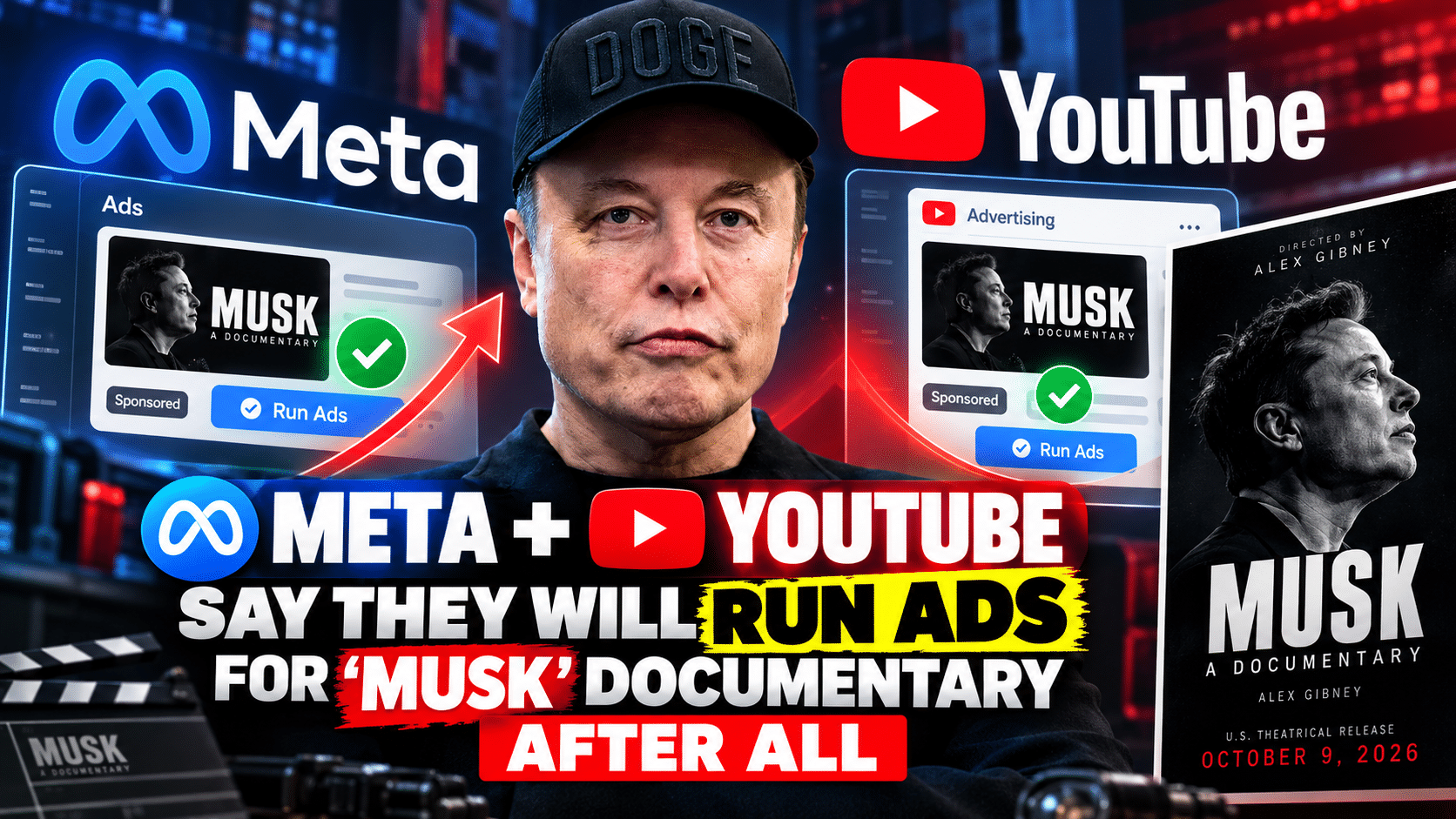
Simultaneously, video streaming service YouTube announced a parallel policy adjustment for the same trailer. A spokesperson for YouTube stated that automated systems temporarily restricted the preview upon submission. Specifically, human reviewers examined the film assets and approved them for general audiences. As a result, both major video advertising ecosystems have restored normal paid services for the studio. In fact, manual reviews overrode the restrictive machine learning filters within twenty-four hours.
In contrast, short-form video giant TikTok has not publicly lifted its promotional blockade. Meanwhile, social network X continues to refuse advertising from distributor Bleecker Street entirely. Musk has publicly dismissed Gibney’s investigative project as an unfair hit piece against his companies. Consequently, promotional friction remains active across selective online channels despite Meta’s corrective decision. Ultimately, distribution companies must navigate complex algorithmic guidelines as modern corporate biographies face heavy digital scrutiny.
Essentially, Meta’s sudden reversal resolves a high-profile standoff over digital film advertising. As a result, the distributor will run paid campaigns ahead of the planned theatrical premiere. Therefore, independent filmmakers can reach wide digital audiences without automated censorship barriers.




