


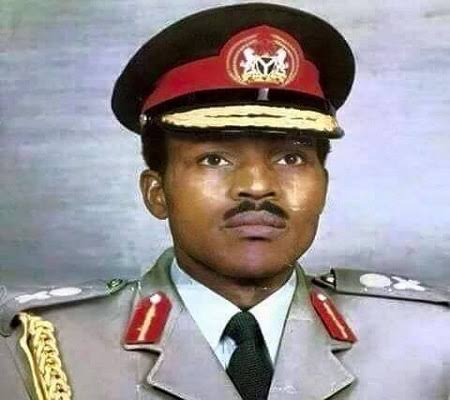
Former Nigerian President Muhammadu Buhari has passed away at the age of 82 in London, following a prolonged illness. The news was confirmed by his family spokesperson, Garba Shehu, who released a statement on Sunday, July 13, 2025, saying, “May Allah accept him in Aljannatul Firdaus, Amin.”
Buhari’s life was marked by significant milestones, from his early days as a military leader to his presidency. Born on December 17, 1942, in Daura, Katsina State, Buhari rose to prominence as a military leader, seizing power in a 1983 coup. He served as Head of State from 1983 to 1985, launching a “War Against Indiscipline” and championing anti-corruption efforts.
As president, Buhari’s administration was marked by notable challenges, including his anti-corruption efforts, handling of the Boko Haram insurgency, and economic downturns. His leadership style was defined by austerity, discipline, and a reputation for personal integrity.
Buhari’s legacy is complex, with supporters viewing him as a reformer and critics seeing him as rigid and out of touch with Nigeria’s socio-economic realities. President Bola Ahmed Tinubu has offered condolences to Buhari’s family and ordered flags to be flown at half-staff as a mark of respect. The Nigerian government has also dispatched Vice President Kashim Shettima to the UK to accompany Buhari’s body back to Nigeria.





