


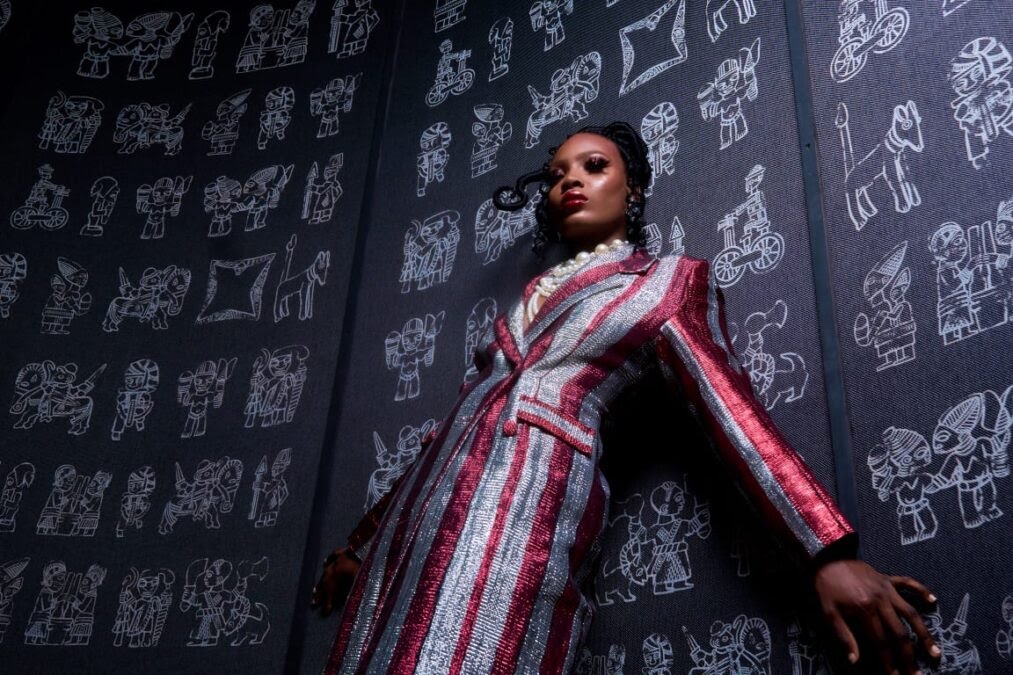
Africa Fashion Week Nigeria is set to return to Lagos for its 12th edition as the country prepares to host another major celebration of African fashion, creativity and the growing business opportunities within the continent’s fashion industry.
The 2026 edition is scheduled to take place on December 12 and 13 at the JRandle Centre for Yoruba Culture and History in Lagos, bringing together designers, models, buyers, investors, media professionals and fashion enthusiasts.
This year’s event will be held under the theme, “The Future Wears Africa,” a message designed to highlight the increasing influence of African creativity on the global fashion industry.
The event comes shortly after the latest edition of Africa Fashion Week London, connecting the international platform in London with its sister event in Lagos.

Africa Fashion Week Nigeria was founded by Queen Ronke Ademiluyi-Ogunwusi in 2011 with the aim of increasing the visibility, awareness and sustainability of African and Black fashion brands.
Over the years, the platform has developed into a major space for designers to showcase their work while connecting with audiences beyond Nigeria.
The return of the event to Lagos also comes at a time when African fashion is gaining stronger international attention.
African designers are increasingly finding opportunities to present their collections outside the continent, while international consumers are showing greater interest in African fabrics, craftsmanship, designs and cultural influences.
The organisers believe the future of fashion will be increasingly connected to Africa’s growing population, creative talent and expanding consumer market.
Africa’s population is projected to reach about 2.5 billion by 2050, meaning that more than one in four people globally could be African.
Nigeria is expected to play a major role in that growth, with its population projected to reach approximately 359 million by 2050.
For the organisers of AFWN, these demographic changes also represent an important economic opportunity for the fashion industry.
A larger population means a potentially larger consumer market, while the growth of Africa’s young population provides a significant pool of designers, models, entrepreneurs and other creative professionals.
DDM News reports that the 2026 edition is designed to go beyond runway presentations by creating opportunities for business conversations, networking and market access.
The first day of the event will focus on fashion, industry and opportunities, with designers expected to engage with buyers, investors, media professionals and other industry stakeholders.
Business, technology and innovation discussions will also form part of the programme, reflecting the growing relationship between fashion and digital tools.
The second day will broaden the experience through designer showcases, marketplace activities, creative networking and cultural programming.
This approach reflects a changing fashion industry where designers increasingly need more than visibility on the runway.
For many African fashion businesses, gaining access to finance, buyers, distribution networks, partnerships and international markets can be just as important as creating new collections.
Fashion weeks can therefore serve as commercial platforms where creative ideas are connected with potential business opportunities.
For emerging designers in particular, events such as AFWN can provide an opportunity to build visibility and establish relationships with people who can help take their businesses to another level.
The importance of this is growing as more Nigerian designers seek to build brands that can compete beyond the domestic market.
Social media and digital commerce have already made it easier for African designers to reach international customers without necessarily relocating their businesses to major fashion capitals.
A designer based in Lagos can now showcase a collection to customers in London, New York, Paris or other parts of the world through digital platforms.
This has created a new pathway for African fashion businesses to grow while remaining connected to their local markets and cultural identities.
The organisers are positioning AFWN as part of this wider movement.
The event also provides an opportunity to showcase African fashion as a business sector rather than simply a form of entertainment or cultural expression.
The industry supports a wide range of businesses and professionals, including textile producers, tailors, fashion designers, photographers, stylists, models, retailers and digital content creators.
As these businesses grow, they can contribute to employment and create new opportunities for young people entering the creative economy.
DDM News understands that the 12th edition is therefore expected to focus on both the creative and commercial sides of African fashion.
Lagos remains a significant location for such an event because of its position as one of Africa’s major commercial and cultural centres.
The city has developed a strong fashion ecosystem supported by designers, retailers, entertainment personalities, creative entrepreneurs and a large consumer market.
Its connection to international markets also makes it an important gateway for Nigerian fashion brands seeking global exposure.
AFWN’s return also follows previous editions that have featured a wide range of Nigerian and African designers.
The platform has previously used its runway to showcase traditional African textiles alongside modern silhouettes and contemporary designs.
That combination of heritage and innovation has become one of the strongest characteristics of African fashion.
Designers are increasingly finding ways to reinterpret fabrics and techniques associated with African culture for modern consumers.
This has helped African fashion develop an identity that can compete internationally while maintaining its connection to the continent.
The new edition is expected to continue that direction.
However, the organisers are also looking beyond clothing itself.
The theme, “The Future Wears Africa,” raises a broader question about the role Africa will play in determining the future of global fashion.
With a growing population, expanding creative economy and increasing international visibility, African consumers and designers are becoming more important to the global fashion conversation.
The challenge will be ensuring that this growing attention translates into sustainable businesses and greater economic opportunities for people within the continent.
That means creating stronger links between designers and investors, improving access to markets and supporting the infrastructure needed for fashion businesses to scale.
Africa Fashion Week Nigeria’s 12th edition is therefore arriving at an important moment for the industry.
The event will offer designers a platform to present their creativity, but its larger significance lies in the opportunity to connect fashion with commerce, investment and economic development.
As African fashion continues to attract international interest, platforms such as AFWN could play an important role in ensuring that the continent is not only recognised for its creative influence but also benefits commercially from it.
The December event will bring the spotlight back to Lagos, giving Nigerian and other African designers another opportunity to demonstrate what the continent has to offer.
For the organisers, the message is clear: Africa is not simply participating in the future of fashion.
It is increasingly helping to shape it.
With designers, investors, buyers, creatives and fashion audiences expected to gather in Lagos, the 12th edition of Africa Fashion Week Nigeria could provide another important step towards building a stronger and more commercially connected African fashion industry.




