


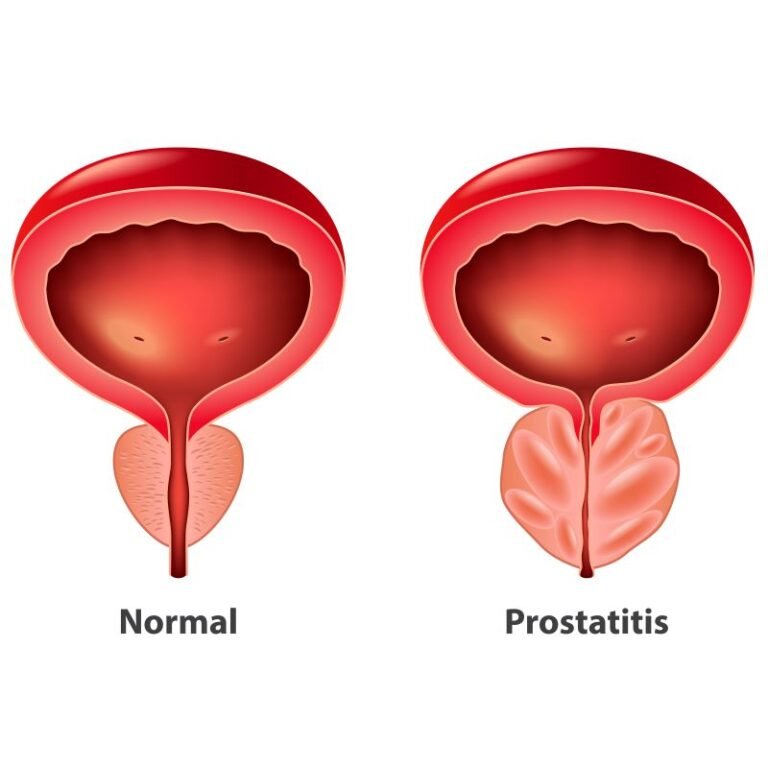
Frequent urination is one of the most common and frustrating symptoms experienced by men living with prostatitis, a condition involving inflammation of the prostate gland. Alongside urinary urgency and discomfort, the symptom often prompts questions about whether reducing water intake could help lessen the need to urinate.
Health experts say the answer is more complex than it may seem.
Why Prostatitis Causes Frequent Urination
Several factors contribute to urinary symptoms in men with prostatitis. Inflammation and swelling of the prostate can place pressure on the bladder and surrounding urinary structures, creating a constant sensation of needing to urinate.

The condition may also irritate the bladder, making it more sensitive and prone to sending signals that trigger frequent trips to the bathroom. In some cases, inflammation can affect nearby tissues, further worsening urinary symptoms.
Additionally, conditions such as an enlarged prostate or narrowing of the urethra may occur alongside prostatitis, making it more difficult for urine to flow normally and increasing urinary frequency and discomfort.
Changes in nerve signaling and bladder function may also contribute to symptoms, causing the bladder to become overly sensitive even when it contains only small amounts of urine.
Does Reducing Water Intake Help?
Although drinking less water may appear to reduce the need to urinate, medical professionals caution that it is not an effective solution for prostatitis-related urinary symptoms.
The underlying inflammation and bladder irritation remain present regardless of fluid intake. As a result, many men continue to experience frequent urination even when they consume less water.
In fact, inadequate hydration may make symptoms worse. Concentrated urine can irritate the bladder and urinary tract, potentially increasing discomfort and urinary urgency.
Proper hydration also plays an important role in maintaining urinary tract health and may help reduce the risk of certain infections.
Tips for Managing Symptoms
While treatment depends on the underlying cause and severity of the condition, several lifestyle measures may help support prostate health and reduce discomfort:
Avoid Prolonged Sitting and Holding Urine
Remaining seated for long periods and delaying urination can increase pressure on the pelvic region and may aggravate symptoms. Regular movement and timely bathroom visits are recommended.
Maintain Healthy Lifestyle Habits
Limiting alcohol consumption, avoiding smoking, staying physically active, and getting adequate sleep can support overall health and recovery.
Practice Balanced Sexual Health
Maintaining a healthy and balanced sexual lifestyle may contribute to prostate well-being. Individuals experiencing symptoms should discuss concerns with a healthcare professional.
Follow a Nutritious Diet
A diet rich in fruits, vegetables, healthy fats, whole grains, and nutrient-dense foods may support overall prostate health and reduce inflammation.
Seeking Medical Advice
Persistent urinary symptoms should not be ignored. Men experiencing frequent urination, pelvic discomfort, painful urination, or other ongoing symptoms are encouraged to seek medical evaluation. Early diagnosis and appropriate treatment can help address the underlying cause and improve quality of life.
While reducing water intake may seem like a simple solution, experts emphasize that proper hydration and professional medical care remain essential components of managing prostatitis effectively.




