


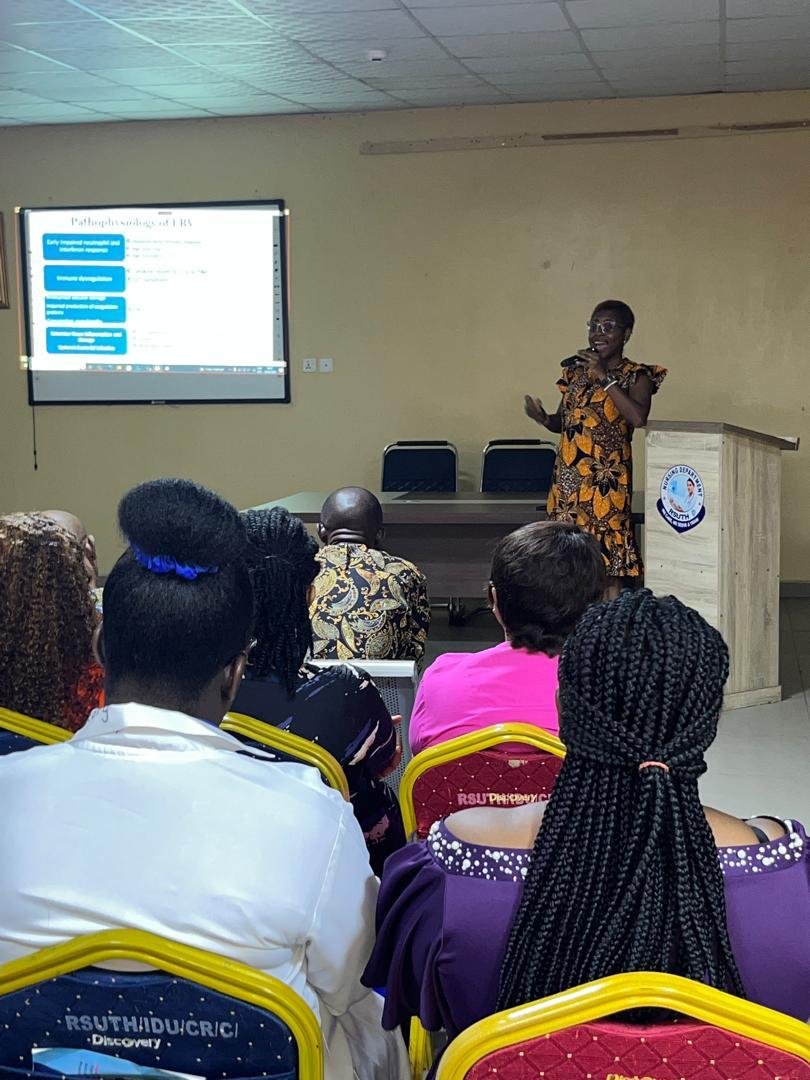
The Rivers State University Teaching Hospital (RSUTH) has intensified efforts to strengthen its preparedness and response capacity against potential Ebola Virus Disease (EVD) cases through a comprehensive emergency readiness exercise.
The initiative, led by the hospital’s Chief Medical Director, Professor Chizindu Alikor, brought together healthcare workers, infection prevention specialists, laboratory scientists, nurses, and members of the emergency response team for a strategic review of outbreak management protocols at the hospital’s Infectious Disease Unit.
During the exercise, participants assessed existing response frameworks and reinforced measures aimed at ensuring early detection, swift containment, and effective management of suspected Ebola cases.
Speaking during the session, Consultant Clinical Microbiologist and Infection Prevention and Control (IPC) focal person, Professor Ibinabo Obolo, stressed the importance of maintaining strict infection control standards. She highlighted the need for prompt case identification, adherence to safety protocols, and rapid response mechanisms to protect both patients and healthcare workers.

The meeting also focused on reviewing and updating standard operating procedures covering patient screening, isolation processes, clinical management, and referral pathways for suspected infections. Emphasis was placed on regular hand hygiene, appropriate use of personal protective equipment (PPE), environmental sanitation, and continuous disease surveillance across all hospital departments.
Providing further technical guidance, Dr. Ekele Amadi Robert delivered presentations on Ebola transmission patterns, clinical symptoms, and management strategies. He noted that the hospital’s Infectious Disease Unit remains equipped with isolation facilities and emergency response resources designed to support immediate action if required.
RSUTH also reaffirmed its commitment to continuous staff development through simulation exercises, training programmes, and emergency response drills aimed at improving outbreak preparedness and reducing transmission risks within healthcare settings.
The hospital’s Infection Prevention and Control Committee pledged to sustain efforts in strengthening infection control systems through education, multidisciplinary collaboration, and partnerships with the Rivers State Ministry of Health and other public health agencies.
Health officials further encouraged residents to remain vigilant by observing proper hygiene practices, avoiding contact with individuals showing symptoms of infectious diseases, and seeking prompt medical attention for signs such as fever, vomiting, or unexplained bleeding.
The renewed preparedness drive underscores RSUTH’s commitment to safeguarding public health and enhancing its capacity to respond effectively to infectious disease threats.




