


Cardiologists are warning that high blood pressure, commonly known as hypertension, often develops silently without noticeable symptoms, making it one of the most dangerous yet preventable health conditions worldwide. Medical experts say many people are living with elevated blood pressure for years without realizing it, only discovering the condition after it has already caused serious damage to vital organs.
According to heart specialists, high blood pressure occurs when the force of blood pushing against the walls of the arteries remains consistently higher than normal. Over time, this extra pressure causes the heart to work harder, gradually damaging blood vessels and increasing the risk of life-threatening conditions such as heart attacks, strokes, heart failure, kidney disease, and vision loss.
Doctors explain that hypertension is often referred to as the “silent killer” because it rarely causes warning signs in its early stages. Unlike many illnesses that produce obvious symptoms, high blood pressure can quietly damage the cardiovascular system while an individual feels completely healthy. As a result, many patients are diagnosed only after suffering a medical emergency such as a stroke or heart attack.
Cardiologists emphasize that although severe hypertension may sometimes cause headaches, dizziness, blurred vision, chest pain, shortness of breath, or nosebleeds, these symptoms usually appear only when blood pressure has reached dangerously high levels. Health experts warn that waiting for symptoms before seeking medical attention can have devastating consequences.

Medical professionals identify several major risk factors for hypertension, including excessive salt intake, obesity, physical inactivity, smoking, excessive alcohol consumption, chronic stress, diabetes, advancing age, and a family history of high blood pressure. They note that while some risk factors cannot be changed, many can be controlled through healthy lifestyle choices.
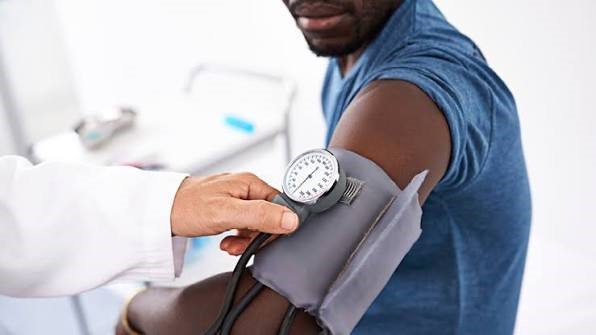
Doctors are encouraging adults to monitor their blood pressure regularly, even if they feel perfectly well. Routine blood pressure checks during medical visits, community health screenings, or home monitoring can help detect hypertension early before complications develop.
Health experts also stress the importance of maintaining a heart-healthy lifestyle. They recommend reducing salt consumption, eating more fruits, vegetables, whole grains, and lean proteins, engaging in regular physical activity, maintaining a healthy weight, avoiding tobacco products, limiting alcohol intake, and managing stress through healthy coping strategies.
Cardiologists further advise individuals who have already been diagnosed with hypertension to take prescribed medications consistently and attend regular follow-up appointments. They caution against stopping medication without medical advice, even when blood pressure appears to have returned to normal, as uncontrolled hypertension can quickly return and continue damaging the body.
Public health authorities are also calling for greater awareness campaigns to educate communities about the dangers of high blood pressure and the importance of routine screening. Experts believe that improving public understanding of hypertension can help reduce the growing burden of cardiovascular disease worldwide.
In conclusion, cardiologists stress that high blood pressure often develops without symptoms but can lead to devastating health complications if left untreated. They warn that regular blood pressure monitoring, early diagnosis, and healthy lifestyle choices remain the most effective strategies for preventing serious cardiovascular disease and protecting long-term health.




