


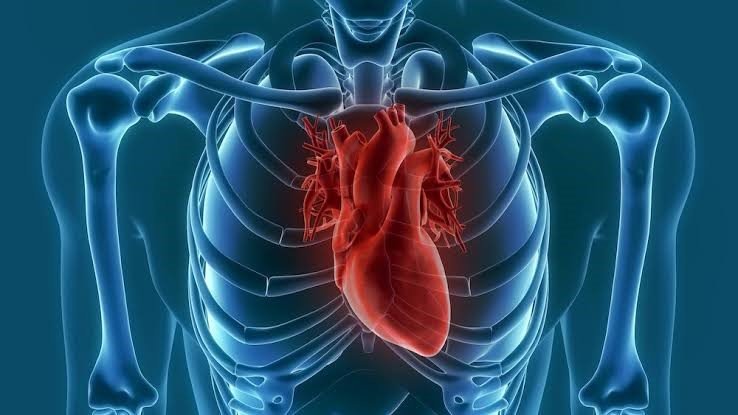
Cardiologists are urging the public to recognize the early warning signs of heart failure, emphasizing that prompt diagnosis and treatment can significantly improve quality of life and reduce the risk of serious complications. Medical experts warn that many people mistakenly believe heart failure means the heart has completely stopped working, when in reality it is a chronic condition in which the heart is unable to pump blood efficiently to meet the body’s needs.
Health professionals explain that heart failure develops gradually in many cases and is often the result of underlying conditions such as high blood pressure, coronary artery disease, diabetes, heart valve disorders, or previous heart attacks. As the heart becomes weaker, it struggles to circulate enough oxygen-rich blood throughout the body, causing a wide range of symptoms that may worsen over time if left untreated.
Doctors highlight that one of the earliest and most common warning signs of heart failure is persistent shortness of breath. Individuals may notice difficulty breathing during physical activity, while climbing stairs, or even while resting in more advanced stages. Some patients also experience breathlessness when lying flat, forcing them to sleep with extra pillows or sit upright to breathe comfortably.
Cardiologists also point to unusual fatigue and weakness as important early symptoms. When the heart cannot pump enough blood, muscles and organs receive less oxygen, making everyday activities such as walking, carrying groceries, or performing household chores feel unusually exhausting.

Medical professionals explain that swelling in the feet, ankles, legs, or abdomen is another key warning sign. This occurs because weakened heart function allows fluid to accumulate in body tissues, a condition known as edema. Some individuals may also experience rapid weight gain over a few days due to fluid retention rather than increased body fat.
Health experts warn that a persistent cough or wheezing, particularly when accompanied by white or pink-tinged mucus, may indicate fluid buildup in the lungs. This symptom should not be ignored, especially when it occurs alongside breathlessness or swelling.
Doctors further explain that people with heart failure may notice a rapid or irregular heartbeat as the heart attempts to compensate for its reduced pumping ability. Other symptoms may include reduced ability to exercise, frequent nighttime urination, loss of appetite, nausea, difficulty concentrating, and dizziness caused by reduced blood flow to the brain.
Cardiologists stress that although these symptoms may develop gradually, they should never be dismissed as a normal part of aging. Early medical evaluation allows healthcare providers to identify the underlying cause, begin appropriate treatment, and slow the progression of the disease.
Medical professionals emphasize that treatment often includes lifestyle modifications such as reducing salt intake, maintaining a healthy weight, engaging in doctor-approved physical activity, quitting smoking, limiting alcohol consumption, and carefully managing conditions like high blood pressure and diabetes. Many patients also require medications to improve heart function, reduce fluid buildup, and lower the risk of hospitalization.
Health experts are encouraging adults, particularly those with existing cardiovascular risk factors or a family history of heart disease, to attend regular medical check-ups and report any persistent symptoms promptly. Early diagnosis remains one of the most effective ways to improve long-term outcomes and prevent severe complications.
In conclusion, cardiologists stress that recognizing the early warning signs of heart failure can save lives. They warn that persistent shortness of breath, swelling, unusual fatigue, rapid weight gain, and irregular heartbeat should never be ignored. Seeking timely medical attention and following appropriate treatment plans can help patients manage the condition effectively and maintain a better quality of life.




