


Medical experts are warning that untreated high cholesterol can significantly increase the risk of stroke, urging adults to monitor their cholesterol levels regularly and seek timely medical care if abnormalities are detected. Cardiologists explain that high cholesterol often develops without noticeable symptoms, allowing damage to blood vessels to progress silently over many years before a serious medical emergency occurs.
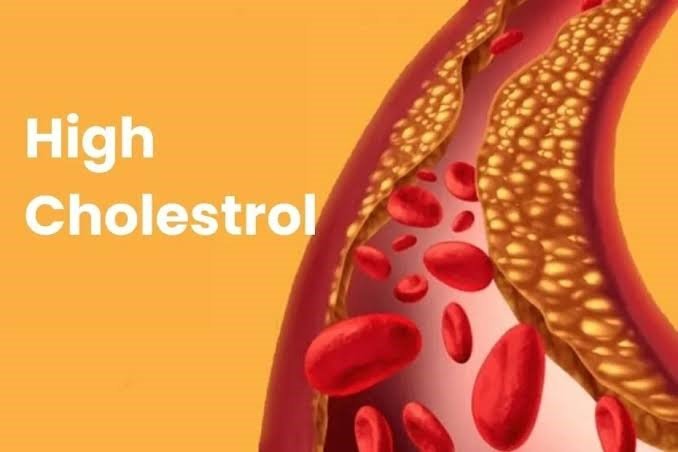
Health professionals explain that cholesterol is a waxy, fat-like substance that is naturally produced by the liver and also obtained from certain foods. While the body requires cholesterol to produce hormones, vitamin D, and healthy cells, excessive levels of low-density lipoprotein (LDL), commonly known as “bad” cholesterol, can become harmful. When LDL cholesterol accumulates inside the arteries, it forms fatty deposits known as plaque, which gradually narrows and hardens the blood vessels.
Doctors explain that this condition, known as atherosclerosis, restricts the normal flow of oxygen-rich blood to vital organs, including the brain. If a plaque ruptures or a blood clot forms and blocks an artery supplying the brain, it can result in an ischemic stroke, the most common type of stroke worldwide. Medical experts warn that a stroke can occur suddenly and may cause permanent disability or death if emergency treatment is delayed.
Cardiologists emphasize that many individuals with high cholesterol remain unaware of their condition because it rarely causes warning signs in its early stages. Unlike some illnesses that produce pain or discomfort, elevated cholesterol levels often remain undetected until serious complications such as a stroke or heart attack develop. This is why routine cholesterol screening is considered a critical part of preventive healthcare.

Health experts identify several factors that contribute to high cholesterol, including diets high in saturated and trans fats, excessive consumption of processed foods, obesity, physical inactivity, smoking, excessive alcohol intake, diabetes, advancing age, and a family history of cardiovascular disease. They note that addressing these risk factors early can significantly reduce the likelihood of stroke.
Doctors are encouraging adults to adopt heart-healthy lifestyle habits to maintain healthy cholesterol levels. Recommendations include eating more fruits, vegetables, whole grains, legumes, fish, and lean proteins while reducing the intake of fried foods, fatty meats, processed snacks, and sugary beverages. Regular physical activity, maintaining a healthy weight, quitting smoking, limiting alcohol consumption, and effectively managing chronic conditions such as hypertension and diabetes are also strongly advised.
Medical professionals further stress that individuals diagnosed with high cholesterol should follow their prescribed treatment plans consistently. Depending on the severity of the condition, treatment may involve lifestyle modifications, cholesterol-lowering medications, or a combination of both. Experts caution against stopping medication without consulting a healthcare provider, as cholesterol levels can rise again and continue damaging the arteries.
Cardiologists are also urging adults to recognize the warning signs of a stroke, which may include sudden weakness or numbness on one side of the body, facial drooping, difficulty speaking or understanding speech, sudden vision changes, severe headache, dizziness, or loss of balance. Immediate emergency medical attention is essential, as early treatment greatly improves the chances of recovery and reduces the risk of permanent brain damage.
In conclusion, medical experts stress that untreated high cholesterol is a major risk factor for stroke and other cardiovascular diseases. They warn that regular cholesterol screening, healthy lifestyle choices, and adherence to prescribed treatment remain the most effective ways to protect blood vessels, reduce stroke risk, and maintain long-term heart and brain health.




