


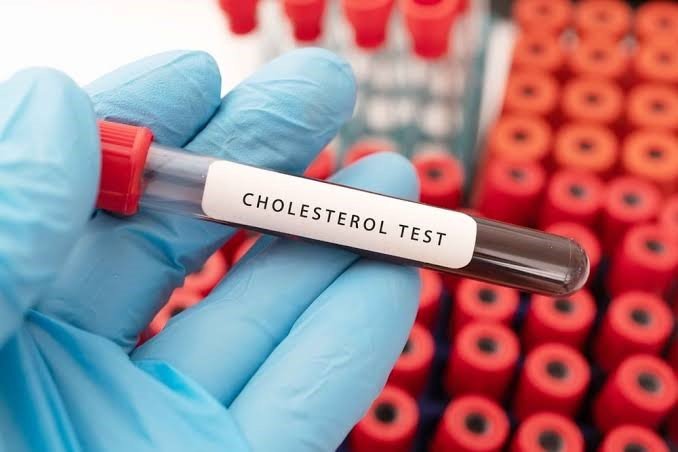
Heart specialists are encouraging adults to undergo regular cholesterol screening, warning that high cholesterol often develops without noticeable symptoms and can silently increase the risk of heart disease, stroke, and other serious cardiovascular conditions. Medical professionals say routine screening is one of the most effective ways to identify cholesterol problems early and begin treatment before complications arise.
Cardiologists explain that cholesterol is a fatty substance naturally produced by the liver and also obtained from certain foods. The body needs cholesterol to build healthy cells, produce hormones, and support normal bodily functions. However, when cholesterol levels become too high, excess cholesterol can accumulate inside the arteries, restricting blood flow and increasing the risk of cardiovascular disease.
Health experts note that cholesterol is made up of different types. Low-density lipoprotein (LDL), often referred to as “bad” cholesterol, contributes to the buildup of fatty deposits known as plaque inside blood vessels. High-density lipoprotein (HDL), commonly known as “good” cholesterol, helps remove excess cholesterol from the bloodstream and transports it to the liver for elimination. Triglycerides, another type of fat in the blood, can also increase the risk of heart disease when levels are elevated.
Doctors warn that because high cholesterol rarely causes symptoms, many people are unaware they have the condition until they suffer a heart attack, stroke, or are diagnosed during a routine medical examination. This is why cardiologists strongly recommend regular cholesterol testing, even for individuals who appear healthy.

Medical professionals explain that cholesterol screening involves a simple blood test known as a lipid profile, which measures total cholesterol, LDL cholesterol, HDL cholesterol, and triglyceride levels. The results help doctors assess an individual’s cardiovascular risk and determine whether lifestyle changes or medication may be necessary.
Heart specialists identify several factors that increase the likelihood of developing high cholesterol, including unhealthy diets rich in saturated and trans fats, obesity, physical inactivity, smoking, excessive alcohol consumption, diabetes, advancing age, and a family history of high cholesterol or heart disease.
Health experts emphasize that maintaining healthy cholesterol levels begins with adopting a heart-friendly lifestyle. They encourage adults to eat more fruits, vegetables, whole grains, legumes, lean proteins, and healthy fats while reducing the intake of processed foods, fried meals, fatty meats, and sugary beverages. Regular physical activity, maintaining a healthy body weight, avoiding tobacco products, and limiting alcohol intake also play important roles in cholesterol management.
Doctors further advise individuals who are diagnosed with high cholesterol to follow their treatment plans carefully. Depending on the severity of the condition, treatment may involve lifestyle modifications alone or the addition of cholesterol-lowering medications. Experts caution that prescribed medications should not be discontinued without consulting a healthcare provider, even if cholesterol levels improve.
Cardiologists are also encouraging adults with additional risk factors such as high blood pressure, diabetes, obesity, or a family history of cardiovascular disease to undergo cholesterol screening more frequently, as they may be at greater risk of developing heart-related complications.
In conclusion, heart specialists stress that regular cholesterol screening is an essential part of preventive healthcare. They warn that early detection and proper management of high cholesterol can significantly reduce the risk of heart attacks, strokes, and other cardiovascular diseases, ultimately improving long-term health and quality of life.




