


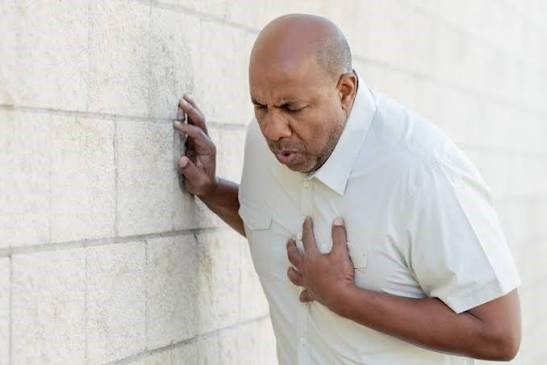
Doctors and cardiovascular specialists are urging the public never to ignore chest pain, warning that while not every case is caused by a heart condition, it can be an early warning sign of a life-threatening medical emergency that requires immediate attention. Health experts emphasize that delaying medical care when chest pain occurs can significantly increase the risk of serious complications, including permanent heart damage or death.
Medical professionals explain that chest pain can have many different causes, ranging from relatively minor conditions such as acid reflux or muscle strain to severe cardiovascular problems like a heart attack or angina. Because it is impossible to determine the exact cause without proper medical evaluation, doctors advise that every episode of unexplained chest pain should be taken seriously.
Cardiologists note that chest pain associated with heart disease is often described as pressure, tightness, squeezing, heaviness, or a burning sensation in the center or left side of the chest. The discomfort may last for several minutes or come and go. In many cases, the pain can spread to the shoulders, arms, neck, jaw, upper back, or even the upper abdomen.
Health experts further explain that chest pain linked to a heart attack is often accompanied by additional symptoms such as shortness of breath, cold sweats, nausea, vomiting, dizziness, unusual fatigue, or a feeling of impending doom. While these symptoms are common, doctors caution that some people—particularly women, older adults, and individuals with diabetes—may experience less obvious warning signs, making early recognition even more important.

Medical professionals warn that ignoring chest pain or attempting to self-medicate without a proper diagnosis can have devastating consequences. Every minute of delayed treatment during a heart attack increases the amount of damage to the heart muscle, reducing the chances of a full recovery. Prompt medical intervention can restore blood flow, minimize heart damage, and significantly improve survival rates.
Doctors identify several factors that increase the risk of heart-related chest pain, including high blood pressure, high cholesterol, diabetes, obesity, smoking, excessive alcohol consumption, physical inactivity, chronic stress, and a family history of heart disease. Individuals with one or more of these risk factors are advised to be especially vigilant and seek immediate medical evaluation if chest pain develops.
Cardiologists also emphasize that not all heart attacks begin with severe, crushing pain. Some people experience only mild discomfort or pressure that gradually worsens over time. Others may mistake the symptoms for indigestion or muscle soreness, leading them to delay seeking emergency care.
Health experts advise anyone experiencing sudden, persistent, or unexplained chest pain to seek emergency medical attention immediately rather than attempting to drive themselves to a hospital if symptoms are severe. They stress that emergency medical services can begin life-saving treatment while transporting the patient to a healthcare facility.
In addition to recognizing warning signs, doctors encourage adults to reduce their risk of heart disease by maintaining a healthy lifestyle. This includes eating a balanced diet, exercising regularly, avoiding tobacco use, controlling blood pressure and cholesterol levels, maintaining a healthy weight, managing stress, and attending routine medical check-ups.
In conclusion, medical professionals stress that chest pain should never be ignored, regardless of a person’s age or overall health. They warn that early medical evaluation can mean the difference between successful treatment and life-threatening complications. Recognizing the warning signs and seeking immediate care remain among the most effective ways to protect heart health and save lives.




