


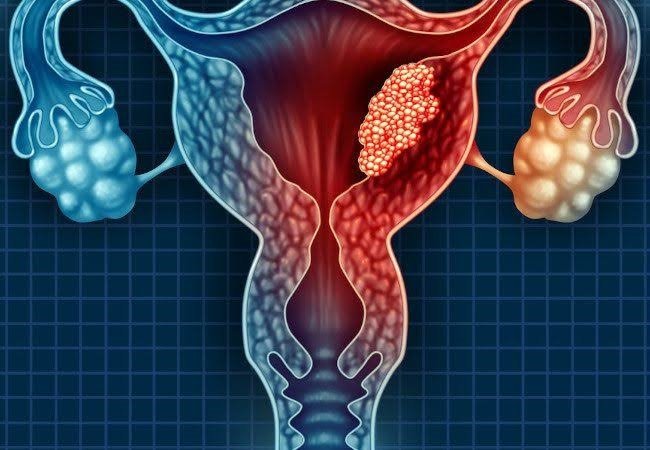
Cervical cancer is one of the most preventable forms of cancer, yet it remains a major cause of illness and death among women in many parts of the world. Health experts say regular screening and vaccination against the human papillomavirus (HPV) have significantly reduced the number of cervical cancer cases where these services are widely available.
Because cervical cancer often develops slowly and may not cause symptoms in its early stages, early detection through routine screening is essential.
What Is Cervical Cancer?
Cervical cancer develops in the cells of the cervix, the lower part of the uterus that connects to the vagina.
Most cases are linked to persistent infection with certain high-risk types of the human papillomavirus (HPV), a common virus that is spread through sexual contact. While many HPV infections clear on their own, some can persist and gradually lead to changes in cervical cells that may become cancerous over time.

Risk Factors
Several factors can increase the risk of cervical cancer, including:
- Persistent infection with high-risk HPV.
- Smoking.
- A weakened immune system.
- Long-term use of certain hormonal contraceptives in some women, depending on individual risk factors.
- Having multiple sexual partners, which may increase the likelihood of HPV exposure.
- Not attending recommended cervical cancer screening.
Having one or more risk factors does not mean a woman will develop cervical cancer, but it may increase the likelihood.
Early Signs and Symptoms
In its early stages, cervical cancer often causes no symptoms, which is why regular screening is so important.
As the disease progresses, symptoms may include:
- Unusual vaginal bleeding between periods.
- Bleeding after sexual intercourse.
- Bleeding after menopause.
- Vaginal discharge that is unusual, persistent, or has a foul smell.
- Persistent pelvic pain.
- Pain during sexual intercourse.
These symptoms can also be caused by conditions other than cervical cancer, but they should always be evaluated by a healthcare professional.
How Is Cervical Cancer Diagnosed?
Healthcare providers may use several tests to detect cervical abnormalities or confirm a diagnosis, including:
- Pap smear (Pap test): Detects abnormal cervical cells before they become cancerous.
- HPV test: Identifies high-risk types of HPV associated with cervical cancer.
- Colposcopy: A closer examination of the cervix using a specialised instrument if abnormal screening results are found.
- Biopsy: A small tissue sample may be taken to determine whether cancer cells are present.
Can Cervical Cancer Be Prevented?
Yes. Health experts say cervical cancer is one of the few cancers that can often be prevented through a combination of vaccination and regular screening.
Preventive measures include:
- Receiving the HPV vaccine at the recommended age.
- Attending regular cervical cancer screening appointments.
- Avoiding tobacco use.
- Practising safer sex to reduce the risk of HPV transmission.
- Seeking prompt medical evaluation for unusual vaginal bleeding or other concerning symptoms.
Treatment Options
Treatment depends on the stage of the cancer, the woman’s overall health, and whether she wishes to preserve fertility.
Treatment may include:
- Surgery.
- Radiation therapy.
- Chemotherapy.
- Targeted therapy in selected cases.
When cervical cancer is detected early, treatment is generally more successful.
When Should You See a Doctor?
Women should seek medical attention if they experience:
- Bleeding after sexual intercourse.
- Bleeding after menopause.
- Persistent or unusual vaginal discharge.
- Ongoing pelvic pain.
- Any unexplained vaginal bleeding.
Even if symptoms seem mild, early evaluation can help identify the cause and improve treatment outcomes if needed.
The Bottom Line
Cervical cancer is largely preventable through HPV vaccination, routine screening, and early treatment of abnormal cervical changes. Because the disease often develops without symptoms, regular Pap smears and HPV testing play a crucial role in protecting women’s health. Recognising warning signs and seeking timely medical care can greatly improve the chances of successful treatment.
Disclaimer: This article is for informational purposes only and should not replace professional medical advice. Women should consult a qualified healthcare professional for personalised advice on cervical cancer screening, HPV vaccination, and any concerning symptoms.




