


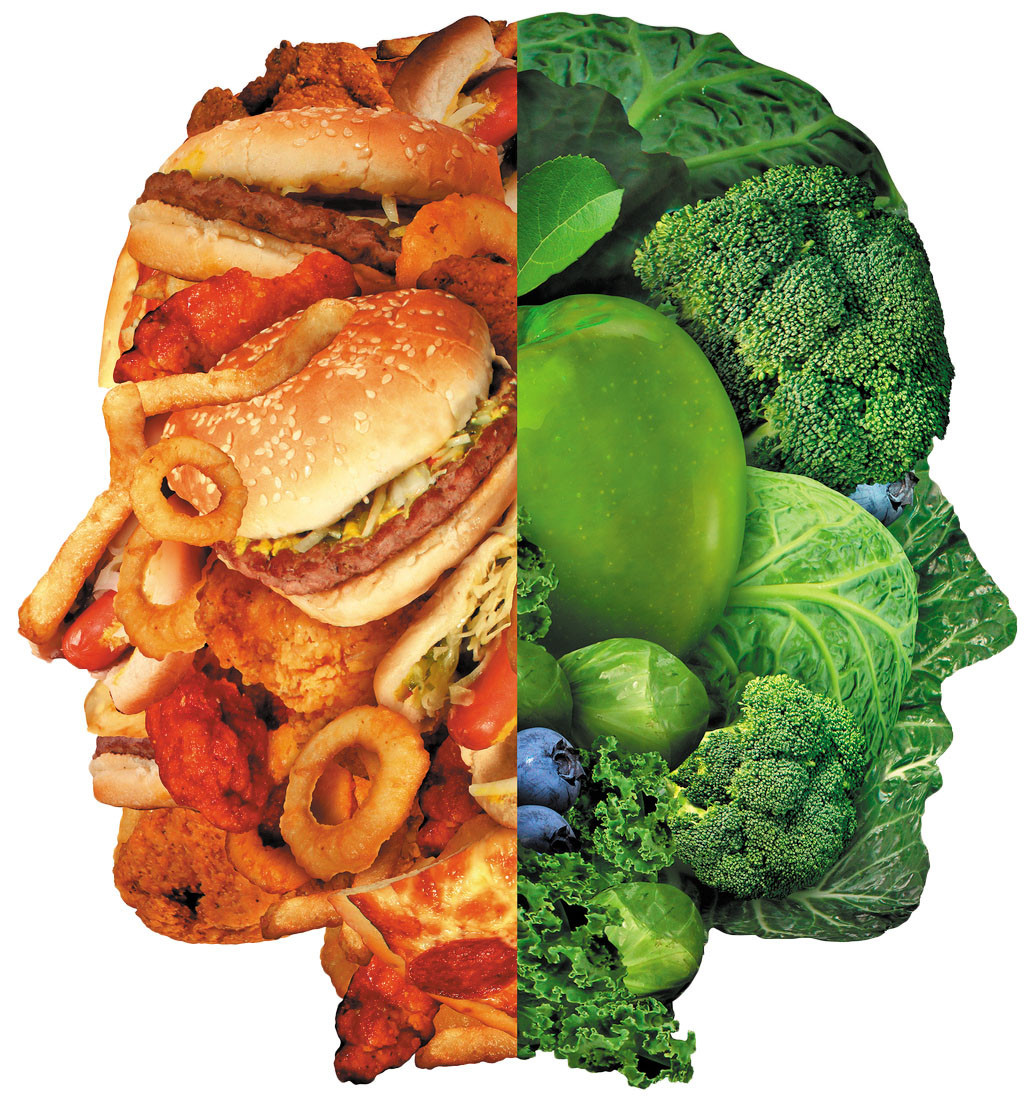
Emerging research is shedding new light on the powerful relationship between diet and mental health, with scientists warning that everyday eating habits may be quietly worsening conditions such as depression and anxiety.
Experts say what people eat does more than affect physical health it directly influences brain function, mood stability, and emotional wellbeing.
The gut-brain connection explained
At the center of this link is the gut-brain axis, a communication system connecting the digestive system and the brain. Scientists note that nearly 90% of the body’s serotonin a key chemical that regulates mood is produced in the gut.
When gut health is disrupted by poor diet, serotonin production may decline, potentially contributing to mood disorders.

Research in nutritional psychiatry shows that diets high in processed foods, sugar, and unhealthy fats are associated with higher rates of depression and anxiety, while whole-food diets support better mental health outcomes.
Key diet mistakes affecting mental health
Health experts have identified several common dietary patterns that may negatively impact mood:
High intake of processed foods
Highly processed meals can trigger chronic inflammation in the body and brain, which has been linked to increased depression risk.
Excess sugar and refined carbohydrates
Frequent spikes and crashes in blood sugar levels can lead to irritability, fatigue, and heightened anxiety symptoms.
Lack of healthy fats
Omega-3 fatty acids found in foods like fish, walnuts, and flaxseeds are essential for brain health. Low levels have been associated with mood disorders.
Vitamin deficiencies
Insufficient intake of B vitamins, including B12, B6, and folate, can interfere with the production of neurotransmitters such as serotonin and dopamine.
Low protein consumption
Protein provides amino acids needed to produce mood-regulating chemicals. Without enough, the brain may struggle to maintain emotional balance.
Artificial additives and preservatives
Some individuals may experience worsened anxiety or mood swings after consuming certain food additives, though research is still ongoing.
Poor gut health
A lack of probiotic-rich foods such as yogurt, kefir, and fermented vegetables can disrupt the balance of gut bacteria, affecting mental wellbeing.
A growing role in mental health care
While diet alone cannot replace medical treatment, experts increasingly view nutrition as a key part of managing mental health.
One eating pattern gaining attention is the Mediterranean diet, which emphasizes fruits, vegetables, whole grains, legumes, fish, and healthy fats like olive oil. Studies have linked this approach to improved mood and reduced risk of depression.
Small changes, real impact
Health professionals recommend gradual, sustainable changes rather than extreme diets. Simple steps include:
- Replacing sugary snacks with fruits or nuts
- Eating more vegetables and whole foods
- Adding fish to meals several times a week
- Reducing processed and fast foods
A holistic approach to wellbeing
Experts stress that managing mood disorders requires a comprehensive strategy, combining nutrition, therapy, lifestyle changes, and, when necessary, medication.
As research continues to evolve, one message is becoming clear: supporting mental health is not just about the mind it starts with what’s on the plate.




