


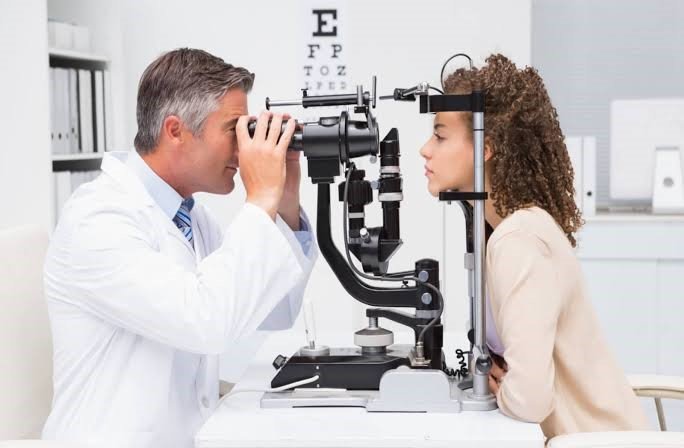
Doctors and eye care specialists are emphasizing the importance of regular eye screening for school children, warning that undetected vision problems can significantly affect learning ability, academic performance, and overall development.
Medical professionals explain that many children with vision impairments are often unaware of their condition because they assume everyone sees the same way they do. As a result, eye problems frequently go unnoticed until they begin to interfere with classroom performance and daily activities.
Health experts highlight that common vision issues among children include short-sightedness (myopia), long-sightedness (hyperopia), astigmatism, and eye coordination problems. These conditions can make it difficult for children to read the board, focus on books, or maintain attention during lessons.
Doctors warn that untreated vision problems may lead to symptoms such as frequent headaches, eye strain, squinting, rubbing of the eyes, and difficulty concentrating in school. In some cases, children may be mistakenly labeled as inattentive or slow learners when the real issue is poor vision.

Pediatric eye specialists stress that regular eye screening is essential, especially during early school years when children are learning to read and write. Early detection allows for timely correction through glasses, therapy, or other medical interventions, preventing long-term academic setbacks.
Medical professionals also emphasize that eye health is closely linked to digital screen exposure. With increasing use of smartphones, tablets, and computers among children, experts warn that prolonged screen time may contribute to eye strain and worsening vision problems.
Health experts are therefore advising parents and teachers to schedule routine eye examinations at least once a year or immediately if any symptoms are noticed. They also recommend simple preventive measures such as encouraging outdoor play, ensuring proper lighting while studying, and limiting continuous screen use.
In addition, doctors are calling for school-based vision screening programs to ensure early identification of eye problems, especially in communities where access to healthcare services may be limited.
In conclusion, medical professionals stress that regular eye screening is a vital part of child healthcare. They warn that early detection and treatment of vision problems can greatly improve a child’s learning ability, confidence, and overall quality of life.




