


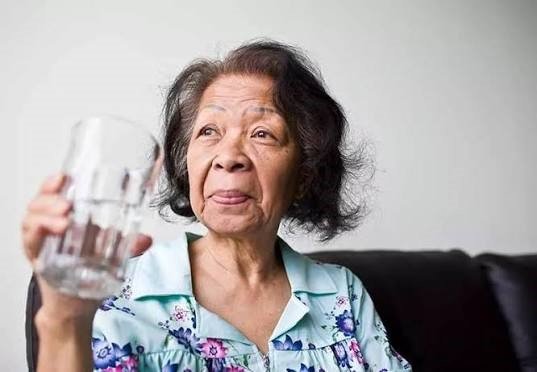
Health experts are urging Nigerians to pay close attention to dehydration in older adults, warning that reduced fluid intake can quickly lead to serious health complications in elderly individuals if not identified early.
According to medical professionals, dehydration occurs when the body loses more fluids than it takes in. Older adults are particularly vulnerable because the sense of thirst tends to decrease with age, and some may not drink enough water even when their bodies require it.
Doctors explain that dehydration in older adults may present differently compared to younger individuals. Early signs can include dry mouth, fatigue, dizziness, confusion, dark urine, reduced urination, and general weakness.
Health experts note that in more severe cases, dehydration can lead to rapid heartbeat, low blood pressure, sunken eyes, severe confusion, fainting, and increased risk of falls. It may also worsen existing health conditions such as kidney disease, diabetes, and heart problems.

Medical professionals advise caregivers and family members to monitor the fluid intake of elderly individuals, especially during hot weather or when they are ill. Ensuring regular water intake throughout the day is essential, even if the individual does not express thirst.
Doctors recommend offering fluids frequently in small amounts and encouraging foods with high water content, such as fruits and soups, as part of daily nutrition. This can help maintain hydration levels more effectively.
Experts also caution that certain medications commonly used by older adults, such as diuretics, may increase fluid loss and raise the risk of dehydration. Regular medical review of medications is therefore important.
Health professionals encourage seeking immediate medical attention if an older adult shows signs of severe dehydration, persistent confusion, inability to keep fluids down, or signs of sudden weakness.
Doctors emphasize that preventing dehydration is more effective than treating it after it occurs. Simple habits such as regular fluid intake, monitoring urine colour, and adjusting hydration during illness or hot weather can significantly reduce risk.
Medical experts conclude that dehydration in older adults should be taken seriously. They encourage families and caregivers to remain vigilant, promote adequate fluid intake, and seek early medical care when warning signs appear, as timely intervention can prevent complications and improve health outcomes.




