


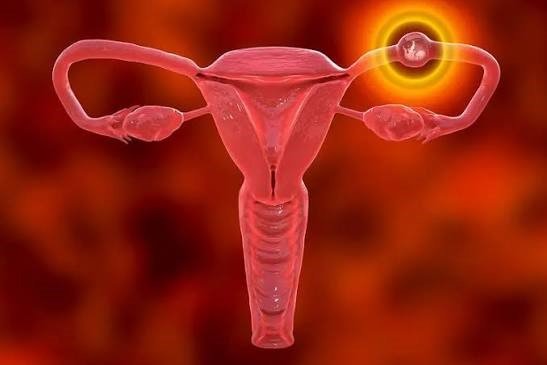
An ectopic pregnancy is a life-threatening medical emergency that occurs when a fertilised egg implants outside the uterus, most commonly in a fallopian tube. Because the pregnancy cannot develop normally, it can cause the tube to rupture, leading to severe internal bleeding. Early recognition of the warning signs and immediate medical treatment can save a woman’s life.
Health experts stress that any woman of childbearing age with a positive pregnancy test and severe abdominal pain or abnormal bleeding should seek emergency medical attention.
What Is an Ectopic Pregnancy?
In a normal pregnancy, the fertilised egg travels through the fallopian tube and implants inside the uterus.
In an ectopic pregnancy, the fertilised egg implants outside the uterus, where there is not enough space or support for it to grow.

More than 90% of ectopic pregnancies occur in a fallopian tube, but they can also occur in the ovary, cervix, or abdominal cavity.
What Causes an Ectopic Pregnancy?
An ectopic pregnancy usually occurs when something prevents the fertilised egg from reaching the uterus.
Possible causes include:
- Damage to the fallopian tubes from previous infections.
- Pelvic Inflammatory Disease (PID).
- Previous ectopic pregnancy.
- Previous surgery involving the fallopian tubes.
- Endometriosis.
- Fertility treatments.
- Congenital abnormalities of the fallopian tubes.
In some cases, no clear cause is identified.
Risk Factors
You may be at higher risk if you:
- Have had an ectopic pregnancy before.
- Have a history of PID.
- Have undergone fertility treatment.
- Smoke cigarettes.
- Have had surgery on the fallopian tubes.
- Become pregnant while using an intrauterine device (IUD), although this is uncommon because IUDs are highly effective at preventing pregnancy overall.
Early Symptoms
Symptoms often appear between the 4th and 12th week of pregnancy.
Common symptoms include:
- Missed menstrual period.
- Positive pregnancy test.
- Light vaginal bleeding.
- Sharp or one-sided lower abdominal pain.
- Pelvic pain.
- Shoulder pain, especially if internal bleeding has occurred.
- Dizziness or fainting.
Symptoms may initially resemble those of a normal early pregnancy.
Emergency Warning Signs
Seek emergency medical care immediately if you experience:
- Sudden, severe abdominal or pelvic pain.
- Heavy vaginal bleeding.
- Fainting or loss of consciousness.
- Severe dizziness.
- Weakness or signs of shock.
- Shoulder pain accompanied by abdominal pain.
These symptoms may indicate a ruptured ectopic pregnancy and severe internal bleeding.
How Is an Ectopic Pregnancy Diagnosed?
A healthcare provider may recommend:
- A pregnancy test.
- Blood tests to measure pregnancy hormone (hCG) levels.
- A transvaginal ultrasound.
- A pelvic examination.
Early diagnosis greatly reduces the risk of life-threatening complications.
Treatment
Treatment depends on the stage of the pregnancy and the woman’s condition.
Medication
If detected early and the fallopian tube has not ruptured, medication such as methotrexate may be used to stop the pregnancy from growing.
Surgery
Surgery is often required if the ectopic pregnancy is large, has ruptured, or if medication is not suitable.
The surgeon may remove the pregnancy while preserving the fallopian tube when possible, although removal of the affected tube may sometimes be necessary.
Can an Ectopic Pregnancy Be Prevented?
Not all ectopic pregnancies can be prevented.
However, reducing the risk of pelvic infections, practising safer sex, and seeking prompt treatment for sexually transmitted infections may lower the risk of damage to the fallopian tubes.
Can You Become Pregnant Again?
Many women go on to have healthy pregnancies after an ectopic pregnancy.
However, the risk of another ectopic pregnancy is slightly higher, so early medical assessment is recommended in future pregnancies.
The Bottom Line
An ectopic pregnancy is a medical emergency that requires immediate diagnosis and treatment. Symptoms such as one-sided abdominal pain, vaginal bleeding, dizziness, and shoulder pain should never be ignored during early pregnancy. Early medical care can prevent life-threatening complications and improve the chances of future healthy pregnancies.
Disclaimer: This article is for informational purposes only and should not replace professional medical advice. Any woman who suspects an ectopic pregnancy or experiences severe pain or bleeding during early pregnancy should seek emergency medical care immediately.




