


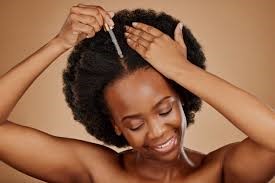
For many people, hair care is often reduced to choosing the right shampoo, serum, or treatment. However, experts suggest that true hair health depends less on products and more on daily habits many of which quietly damage strands over time.
While the beauty industry emphasizes what to buy, it often overlooks how everyday routines contribute to breakage, thinning, and slow growth. From brushing techniques to water temperature and styling choices, these seemingly minor actions can have lasting effects on hair strength and appearance.
Understanding hair structure and damage
Each strand of hair is made up of three layers, with the outermost cuticle serving as a protective shield for the inner cortex. When this cuticle is damaged through excessive heat, harsh chemicals, or rough handling the inner structure becomes exposed. The result is frizz, dryness, and breakage that no conditioner can fully repair.
The impact of heat styling
Frequent use of heat tools such as flat irons and curling wands can significantly weaken hair over time. High temperatures alter the protein structure of hair strands, causing damage that accumulates gradually.

Although heat styling may temporarily create a smooth, polished appearance, this effect often masks underlying weakness. By the time hair begins to feel brittle or starts breaking, the damage is already extensive. While heat protectants can reduce harm, they do not eliminate it entirely. Limiting the use of high-heat tools remains the most effective way to preserve hair health.
Overwashing and its effects
Washing hair too frequently can strip away natural oils, known as sebum, which help maintain moisture and protect strands. In response, the scalp may produce excess oil, leading to a cycle of frequent washing and increased greasiness.
Allowing more time between washes helps restore balance, enabling natural oils to nourish the hair. Additionally, water temperature plays a role. Hot water can open the hair cuticle, increasing vulnerability to damage, while lukewarm or cool water helps seal it, improving shine and reducing frizz.
Damage from everyday styling
One of the most common yet overlooked causes of breakage is brushing wet hair. When hair is wet, it becomes more elastic and prone to snapping. Using a wide-tooth comb and gently detangling from the ends upward can minimize stress on the strands.
Tight hairstyles, including pulled-back ponytails, buns, and braids, can also cause damage. Constant tension on the hairline may lead to a condition known as Traction alopecia, which can become permanent if not addressed early.
What truly supports hair growth
Hair growth is largely determined by genetics, with most people experiencing an average growth rate of about half an inch per month. While no product can significantly speed up this process, proper care can help retain length by reducing breakage.
Maintaining moisture, minimizing damage, and protecting the ends of the hair are key to achieving longer, healthier strands. Nutrition also plays a crucial role. Deficiencies in protein, iron, and essential vitamins can weaken hair and slow growth, highlighting the importance of overall health in maintaining strong hair.
Managing expectations
Improving hair health is a gradual process. Damage built up over months or years cannot be reversed instantly, despite marketing claims. Instead, progress comes from consistently adopting better habits while allowing time for healthier hair to grow in.
Ultimately, the most effective hair care strategies are not found in expensive products but in daily practices. By making small, consistent changes, individuals can protect their hair from ongoing damage and support long-term strength and growth.




