


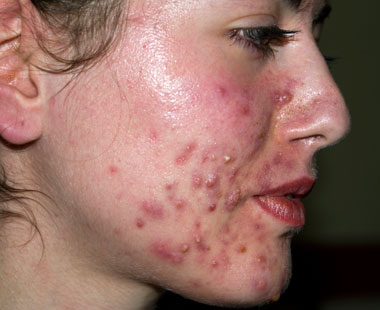
Hormonal acne is a common skin condition, particularly among teenagers and young adults, but it can persist or even begin in adulthood. It is largely influenced by fluctuations in hormones especially androgens which can increase oil production and clog pores.
Here are key signs that your acne may be hormonal:
1. Breakouts follow a pattern
Hormonal acne often appears in cycles, especially around your menstrual period. If you notice flare-ups at the same time each month, hormones may be the trigger.
2. Location of acne
Breakouts linked to hormones typically appear on the lower part of the face, including the chin, jawline, and sometimes the neck.

3. Deep, painful pimples
Unlike surface-level whiteheads, hormonal acne tends to form as deep, cystic bumps under the skin that can be tender or painful.
4. Persistent acne despite skincare
If you’ve tried multiple skincare products with little improvement, the root cause may be internal rather than external.
5. Oily skin
Increased oil production is a major sign. Hormonal changes can stimulate the sebaceous glands, making the skin appear consistently oily.
6. Adult-onset acne
Acne that starts or continues in your 20s, 30s, or beyond is often linked to hormonal imbalances rather than typical teenage acne.
7. Stress-related flare-ups
Stress can trigger the release of hormones like cortisol, which may worsen acne or lead to sudden breakouts.
When to seek help
If acne is severe, painful, or affecting your confidence, it may be helpful to consult a dermatologist. Treatments targeting hormonal balance rather than just surface skincare may be more effective.
Understanding the pattern and triggers of your acne is the first step toward finding the right treatment and achieving clearer skin.



