


Human Papillomavirus (HPV) is the most common sexually transmitted viral infection in the world. Most sexually active people will be infected with HPV at some point in their lives, often without knowing it. While many HPV infections clear on their own, certain high-risk types can lead to cervical cancer and other cancers if they persist.
Health experts say that HPV vaccination, regular cervical screening, and early treatment of abnormal cervical cells are the most effective ways to prevent HPV-related cancers.
What Is HPV?
Human Papillomavirus (HPV) is a group of more than 200 related viruses.
Some types cause common skin warts, while others infect the genital area. HPV is mainly spread through intimate skin-to-skin sexual contact, including vaginal, anal, and oral sex.

Most HPV infections cause no symptoms and disappear naturally within one to two years.
Types of HPV
HPV is generally divided into two groups:
Low-Risk HPV
These types may cause genital warts but are not associated with cancer.
High-Risk HPV
Persistent infection with high-risk HPV types can cause abnormal cell changes that may develop into:
- Cervical cancer.
- Vaginal cancer.
- Vulvar cancer.
- Anal cancer.
- Certain cancers of the throat and mouth.
Not everyone infected with high-risk HPV will develop cancer.
Risk Factors
Factors that increase the risk of HPV infection include:
- Becoming sexually active at a young age.
- Having multiple sexual partners.
- Having a weakened immune system.
- Not receiving the HPV vaccine.
- Smoking, which may increase the risk of persistent HPV infection and cervical cancer.
Symptoms
Most HPV infections produce no symptoms.
When symptoms do occur, they may include:
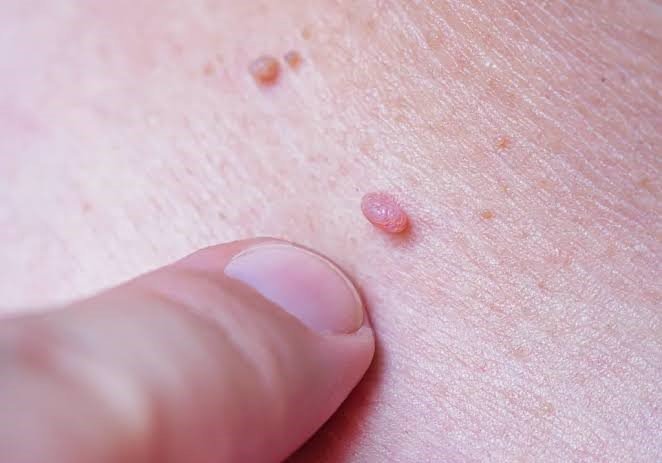
- Genital warts that appear as small flesh-coloured or cauliflower-like growths.
- Abnormal cervical cell changes detected during cervical screening.
- Rarely, symptoms related to HPV-associated cancers, such as abnormal vaginal bleeding or persistent pelvic pain.
Because HPV often has no symptoms, regular screening is extremely important.
How Is HPV Diagnosed?
Healthcare providers may recommend:
- HPV testing to detect high-risk virus types.
- Cervical screening (Pap smear) to identify abnormal cervical cells.
- Colposcopy if screening results are abnormal.
- Biopsy when necessary to confirm abnormal tissue changes.
There is currently no routine HPV test for women younger than the recommended screening age or for men without symptoms.
Treatment
There is no cure for the HPV virus itself.
However, treatment is available for the health problems it may cause.
Genital Warts
These can be treated with prescription medications or removed using medical procedures.
Abnormal Cervical Cells
Precancerous cervical changes can often be treated before they develop into cancer.
HPV-Related Cancers
Treatment depends on the type and stage of the cancer and may include surgery, radiotherapy, chemotherapy, targeted therapy, or immunotherapy.
Can HPV Be Prevented?
Yes. The risk of HPV infection can be greatly reduced by:
- Receiving the HPV vaccine before becoming sexually active.
- Attending regular cervical screening appointments.
- Practising safer sex, including consistent condom use, although condoms do not provide complete protection because HPV can infect areas not covered by a condom.
- Avoiding smoking.
Vaccination remains one of the most effective ways to prevent cervical cancer.
When Should You See a Doctor?
Consult a healthcare professional if you:
- Notice genital warts.
- Experience bleeding after sexual intercourse.
- Have abnormal vaginal bleeding.
- Receive an abnormal cervical screening result.
- Are due for routine cervical screening or HPV vaccination.
Early evaluation and follow-up are essential for preventing complications.
The Bottom Line
Human Papillomavirus (HPV) is extremely common, and most infections clear naturally without causing harm. However, persistent infection with high-risk HPV types can lead to cervical cancer and other cancers. HPV vaccination, regular cervical screening, and prompt treatment of abnormal cervical cells are the most effective ways to protect women’s health and reduce the risk of HPV-related disease.
Disclaimer: This article is for informational purposes only and should not replace professional medical advice. Women should consult a qualified healthcare professional for HPV vaccination, cervical screening, and evaluation of any abnormal symptoms or test results.




