


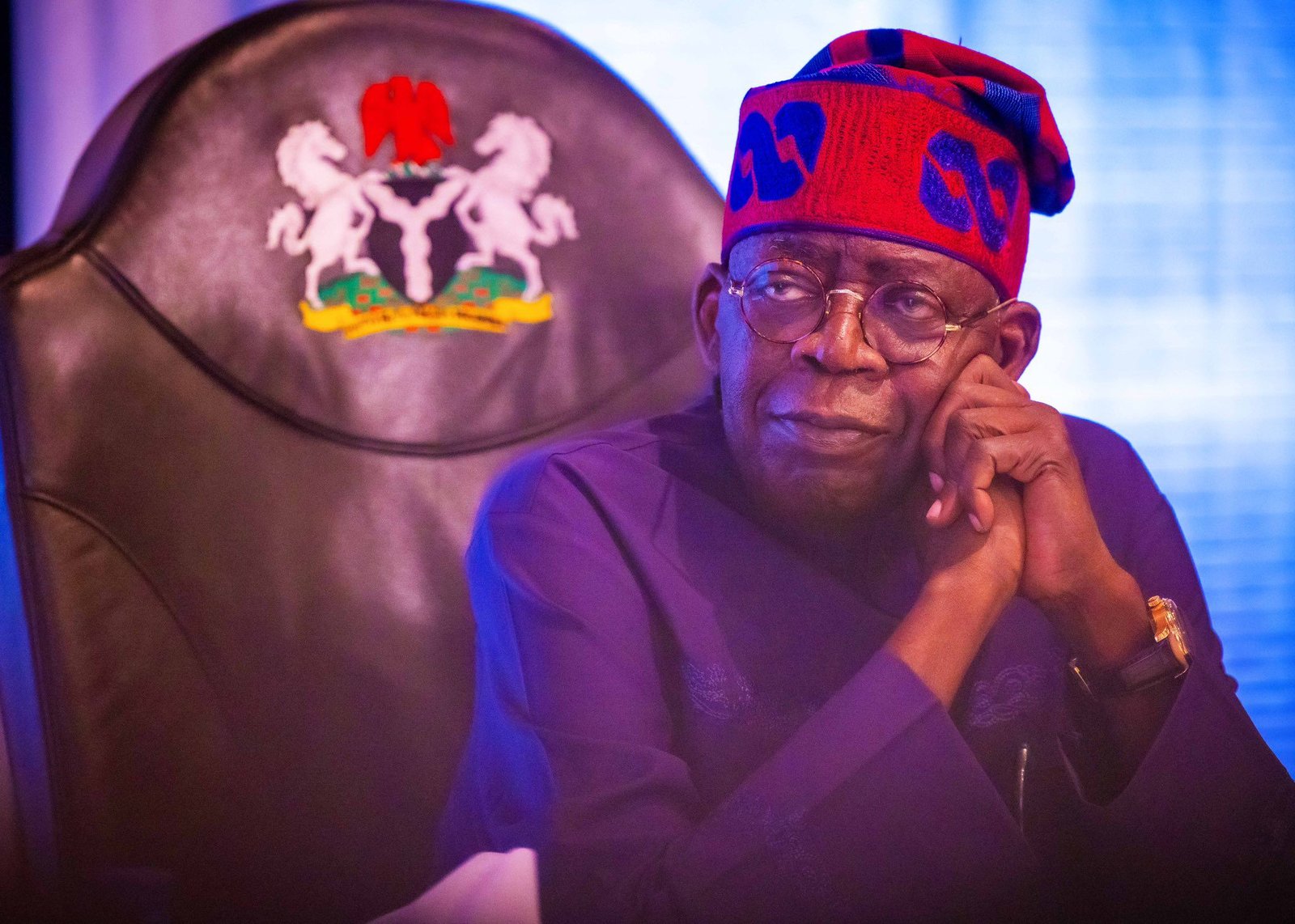
The October 1 deadline has passed, but the promised relief has not arrived for millions of Nigerians still paying crippling transport fares.
The Tinubu administration owes the public an explanation.
There is something deeply troubling about a government announcing a specific date for economic relief and then allowing that date to pass without a convincing account of what happened.
On August 27, President Bola Ahmed Tinubu told state governors that Nigerians should begin to see measurable reductions in transportation costs from October 1.That promise raised expectations among citizens already battered by the rising cost of living.

More than five days into the new month, however, the promised nationwide relief remains difficult to see.
This should not be dismissed as a minor delay. Transportation is one of the most immediate pressures on Nigerian households.
Every increase in fares takes money away from food, school expenses, healthcare and other necessities.
For workers who commute daily and traders who depend on public transport to move goods, the cost of movement is part of the cost of survival.
A government that promises cheaper transportation is therefore making a promise that touches the pocket of virtually every citizen.
The Federal Government says the reduction is being pursued through the National Affordable CNG Transit Programme, while officials insist that cheaper fares have already emerged on some routes.
Ismaeel Ahmed, Executive Chairman of the Presidential Initiative on Compressed Natural Gas and Electric Vehicles, cited the Gwagwalada-Abuja route, where commuters using CNG-powered buses could reportedly pay about 40 per cent less.
That may represent progress, but it does not answer the larger question: when will the majority of Nigerians begin to experience the promised relief?
The government’s silence is even more difficult to understand given that the October 1 date was publicly announced.
When DAILY POST sought clarification from presidential spokesperson Sunday Dare, no response had been received at the time of reporting. If implementation has encountered obstacles, Nigerians deserve to know.
If the programme is progressing as planned, the government should provide evidence. What it cannot reasonably expect is for citizens to interpret silence as success.
The criticism from Transparency International Nigeria’s Country Director, Auwal Rafsanjani, therefore deserves serious consideration.
His warning about public officials making commitments without first establishing the mechanisms required to fulfil them speaks to a longstanding weakness in Nigerian governance.
Too often, announcements arrive before preparation, targets are proclaimed before implementation is secured, and citizens are left waiting after the headlines have disappeared.
The Tinubu administration has repeatedly asked Nigerians to endure painful economic reforms in anticipation of a better future.
Such a bargain requires trust. But trust cannot survive on promises alone. It must be reinforced by delivery, transparency and accountability.
The government should now publish a clear account of the transportation programme: what has been achieved, what remains outstanding, why the October 1 target was not broadly met and when commuters can realistically expect lower fares.
Nigerians do not need another grand announcement. They need measurable results.
A deadline is meaningful only when government treats it as an obligation. October 1 has passed.
The promise remains outstanding, and Nigerians deserve to know when and how the government intends to fulfil it.




