


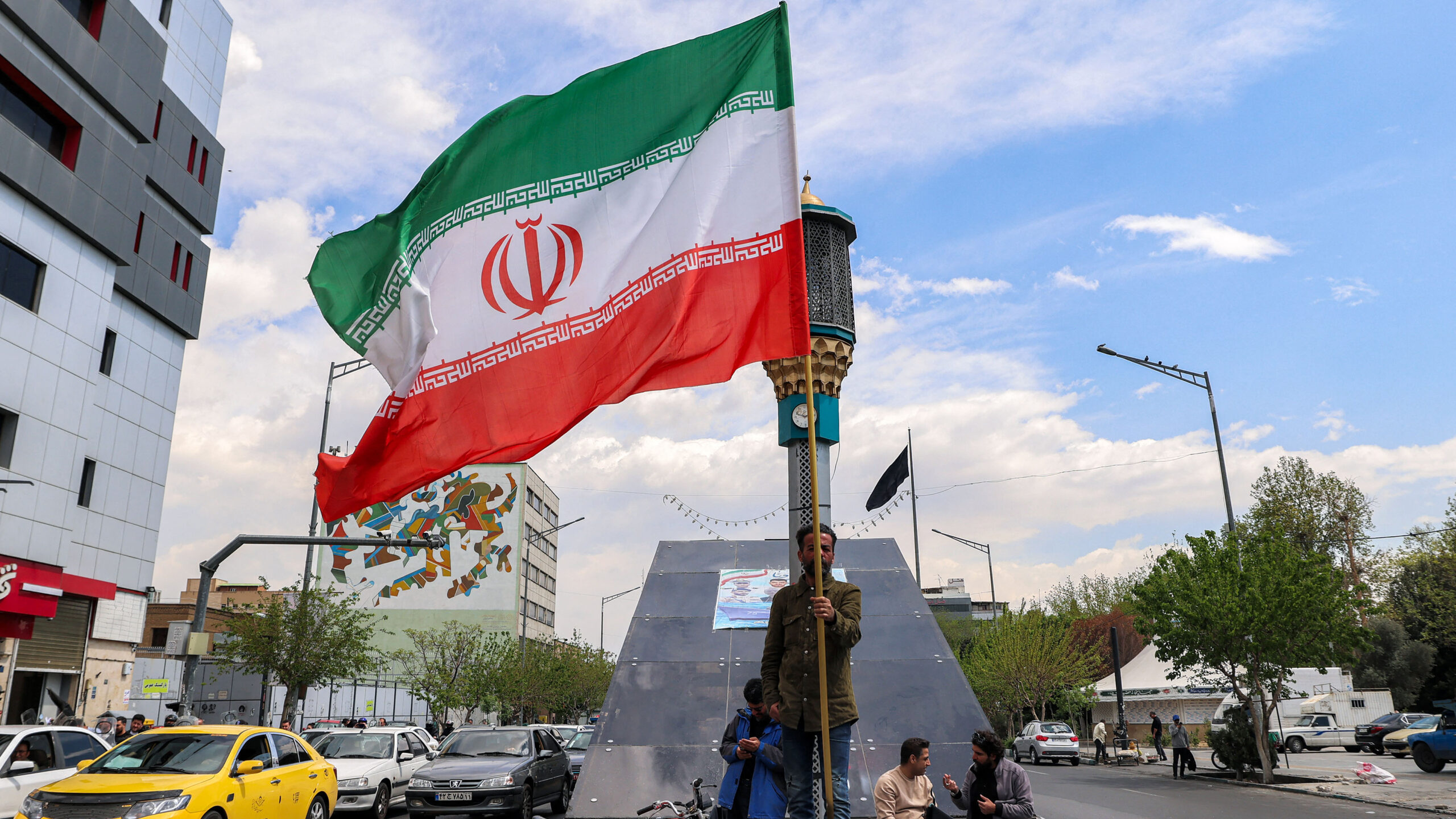
Iran has condemned fresh US air strikes near the Strait of Hormuz, describing the attacks as a “gross violation” of the fragile ceasefire that has largely held since April.
The latest exchange threatens to complicate ongoing diplomatic efforts aimed at ending the conflict between Tehran, Washington and its allies.
DDM reported that the US Central Command has carried out what it described as “self-defence strikes” on Monday, targeting Iranian missile launch sites and boats allegedly attempting to lay mines in southern Iran.
According to Centcom, the operation was intended to protect American forces from perceived threats posed by Iranian military activity.

But Tehran strongly rejected the justification.
In a statement, Iran’s Foreign Ministry accused Washington of carrying out “aggressive and unjustified actions” in Hormozgan province, which borders the Strait of Hormuz, a strategic shipping route through which nearly one-fifth of global oil supplies pass.
Iran warned that the attacks would not go unanswered.
“Without a doubt, the Islamic Republic of Iran will not leave any evil unanswered and will not hesitate to defend the Iranian nation,” the ministry said.
The renewed tensions come months after the war erupted on February 28, when US and Israeli forces launched coordinated strikes that killed Iran’s supreme leader and triggered retaliatory attacks across the region.
A ceasefire brokered on April 8 has mostly held, although sporadic confrontations have continued.
Centcom did not disclose the precise location of Monday’s strikes, but reports citing US officials indicated the targets were near Bandar Abbas, a key southern port and home to a major Iranian naval base overlooking the Strait of Hormuz.
Iranian state media earlier reported explosions in the area, saying authorities had opened investigations into the incidents.
Iran’s Islamic Revolutionary Guard Corps later claimed it had shot down a US drone and engaged an American fighter aircraft that entered Iranian airspace, though no timeframe was provided.
The military developments come at a sensitive moment for diplomacy.
Negotiations aimed at extending the ceasefire and creating a pathway to a broader peace deal remain underway.
US Secretary of State Marco Rubio has maintained that an agreement remains possible but cautioned that talks may take several more days.
President Donald Trump initially signalled optimism over the weekend, suggesting a deal was close, before later urging negotiators not to rush the process.
Reports in US media indicate negotiators are working toward a memorandum of understanding rather than a final settlement. The proposed framework reportedly includes a 60-day extension of the ceasefire, reopening of the Strait of Hormuz, and further talks over Iran’s nuclear programme.
Iran acknowledged some progress in the negotiations but insisted that an agreement was not imminent.
One of the key sticking points remains Tehran’s demand for access to frozen Iranian assets held abroad.
The talks, largely mediated by Pakistan, have also involved Qatari facilitators in recent days.
According to officials familiar with discussions in Doha, Iran’s central bank governor joined Monday’s meetings, where negotiations focused heavily on frozen funds, Iran’s stockpile of highly enriched uranium and the future of the Strait of Hormuz.
The waterway has remained heavily restricted since the conflict began, fuelling global energy market anxiety and pushing oil prices higher.
Western governments, including the US and Israel, continue to accuse Iran of enriching uranium for military purposes, allegations Tehran denies, insisting its nuclear programme is strictly peaceful.
With diplomacy and military confrontation unfolding side by side, uncertainty now hangs over whether the latest strikes will derail negotiations or force both sides back to the table under greater pressure.




