


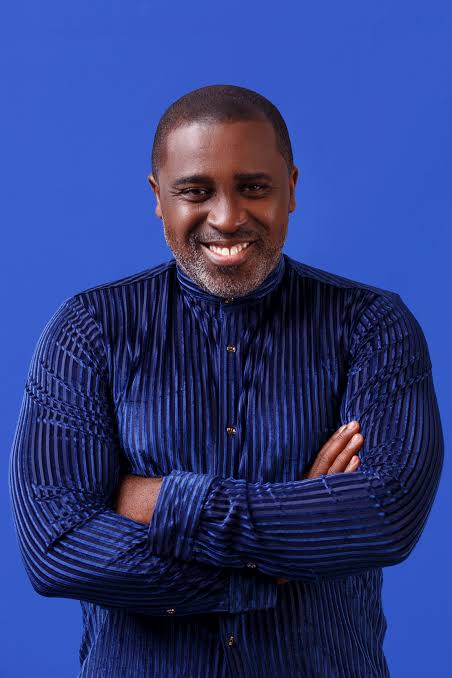
Media personality Frank Edoho has sparked debate over the high cost of real estate in Lagos, describing the city’s property market as excessively expensive compared with property prices in other parts of the world.
Edoho questioned how some properties in Lagos can command multimillion-dollar valuations despite what he described as inadequate infrastructure and basic amenities.
In a statement circulating online, he compared the reported value of an acclaimed mansion in Osapa with the alleged value of an island reportedly owned by Hollywood actor Leonardo DiCaprio in the United States.
“Leonardo DiCaprio reportedly owns an island in the US that’s worth $1.7 million, meanwhile an acclaimed mansion in Osapa, Osapa that has no drainage is worth $1.5 million dollars,” Edoho said.

He used the comparison to question the factors driving property prices in Lagos and expressed disbelief over the amount of money some buyers are willing to spend on luxury real estate.
His remarks have generated reactions online, with some Nigerians agreeing that property prices in Lagos have become increasingly difficult for average earners to afford. Others, however, argued that comparing property values across different countries can be misleading because factors such as location, land scarcity, demand, infrastructure, security, taxes and market conditions all influence real estate prices.
Lagos remains one of Nigeria’s most sought-after property markets, particularly in areas such as Lekki, Ikoyi, Victoria Island and Osapa. Demand for land and luxury homes in these locations has contributed to some extremely high asking prices.
Edoho’s comments have therefore reignited a familiar conversation about whether some Lagos properties are genuinely worth their asking prices or whether speculation and high demand have pushed valuations beyond reasonable levels.
His reference to drainage also drew attention to a broader issue surrounding infrastructure. Critics of the Lagos property market have frequently questioned why some expensive homes and estates continue to experience problems with roads, drainage and other basic infrastructure.
However, property values are often based on more than the physical structure of a house. Land ownership, location, accessibility, neighbourhood development and future investment potential can all contribute substantially to the final price.
While Edoho’s comparison was clearly intended to highlight what he considers excessive pricing, the actual values of the properties and the reported island should be independently verified before being treated as established facts.
The debate nevertheless continues to highlight the widening gap between luxury real estate prices in Lagos and the purchasing power of many Nigerians.




