


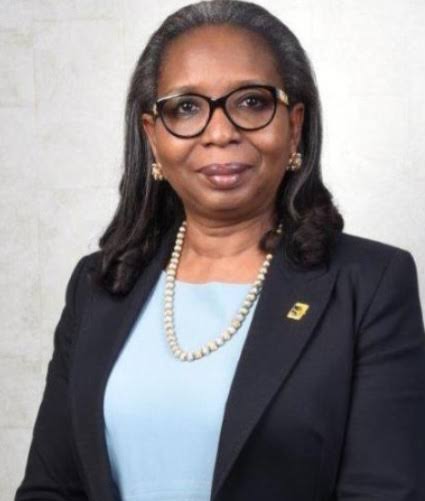
Nigerian businesswoman and former First Bank chairman, Dr. Ibukun Awosika, has spoken about the importance of character and emotional strength when a woman is financially stronger than the man she intends to marry.
Awosika made the remarks while discussing relationships and marriage, particularly situations where a woman knows she is likely to earn more or become financially stronger than her husband.
According to her, women in such situations need to pay attention to the character and nature of the man they choose, noting that financial differences can create challenges if the man is unable to handle the dynamic within the relationship.
“When you want to marry a guy that you know naturally you are going to be financially stronger than, you have to be sure the man is strong enough in his character and his nature to handle it,” she said.

The business leader’s comments highlight the role she believes personal character plays in relationships where partners have different financial capacities.
Rather than focusing solely on a man’s present income, Awosika suggested that women should consider whether the man has the confidence, maturity and character required to maintain a healthy relationship when his partner earns more.
Her remarks have sparked conversations online, particularly as more women continue to build careers, businesses and independent sources of income.
For some couples, differences in earnings may not necessarily pose a problem, while for others, financial disparities can become a source of tension if expectations surrounding money, roles and decision-making are not clearly understood.
Awosika’s comments therefore place emphasis on looking beyond income when making long-term relationship decisions.
The former bank executive has frequently spoken publicly about leadership, entrepreneurship, family and personal development, drawing from her experience in Nigeria’s corporate and business environment.
Her latest remarks have since generated reactions among social media users, with many debating whether financial differences between spouses should influence marriage decisions and how couples can navigate situations where one partner earns significantly more than the other.
The discussion also reflects changing attitudes towards marriage and household finances, particularly as women increasingly occupy senior positions in business and professional spaces.
For Awosika, however, the issue goes beyond who earns more. Her central point is that a woman who expects to be financially stronger than her husband should be confident that his character and nature can accommodate that reality without it becoming a source of conflict in the marriage.




