


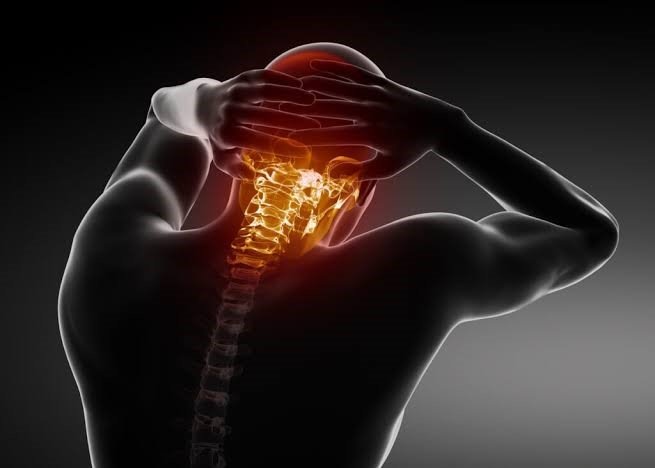
Pain at the back of the head is a common complaint that can result from a variety of conditions, ranging from muscle tension to nerve disorders and certain types of headaches. While many cases improve with rest, hydration, or over-the-counter pain medication, persistent or severe pain may require medical evaluation.
Understanding the possible causes and accompanying symptoms can help determine when home care is appropriate and when professional treatment is needed.
1. Tension Headaches
Tension headaches are among the most common causes of pain at the back of the head. They often produce a sensation of pressure or tightness that may spread across the forehead, scalp, neck, and shoulders.
Common symptoms include:

- Mild to moderate aching pain
- Tightness around the head
- Tenderness in the neck and shoulder muscles
- Pain lasting from 30 minutes to several days
Unlike migraines, tension headaches typically do not cause nausea or become worse with physical activity.
2. Migraine
Although migraines often affect one side of the head, they can also cause pain in the back of the head or neck.
Migraine symptoms may include:
- Throbbing or pulsating head pain
- Nausea and vomiting
- Sensitivity to light, sound, or odors
- Tenderness of the scalp
- Visual disturbances, known as aura, in some individuals
Migraine attacks can last for several hours or even days and may interfere with daily activities.
3. Cervicogenic Headache
A cervicogenic headache begins in the neck and radiates to the head. It is commonly associated with problems involving the cervical spine, joints, muscles, or nerves.
Symptoms may include:
- Neck stiffness or pain
- Headache triggered by neck movement
- Pain extending to the shoulders or arms
- Light sensitivity
- Occasional nausea
Treating the underlying neck problem often helps relieve symptoms.
4. Occipital Neuralgia
Occipital neuralgia develops when the occipital nerves, which run from the upper neck to the scalp, become irritated or inflamed.
The condition often causes:
- Sharp, stabbing, or electric shock-like pain
- Burning or throbbing discomfort
- Pain concentrated at the back of the head
- Scalp tenderness
- Sensitivity to light
Because its symptoms resemble those of migraines, medical evaluation is often needed for an accurate diagnosis.
5. Exercise-Induced Headaches
Some people experience headaches during or immediately after intense physical activity.
Potential triggers include:
- Running
- Heavy weightlifting
- High-intensity exercise
- Sexual activity
These headaches usually produce throbbing pain on both sides of the head and often resolve once physical activity stops. Staying hydrated and warming up properly before exercise may reduce the risk.
6. Cluster Headaches
Cluster headaches are uncommon but extremely painful. The pain usually develops suddenly around one eye but may spread to the back or side of the head.
Other symptoms can include:
- Red or watery eye
- Blocked or runny nose
- Sweating on one side of the face
- Drooping eyelid
- Restlessness during attacks
Cluster headaches typically occur in repeated cycles over weeks or months before entering periods of remission.
7. Medication-Overuse Headaches
Frequent use of pain-relieving medications can sometimes lead to medication-overuse headaches, also known as rebound headaches.
Common signs include:
- Daily or near-daily headaches
- Headaches that return as medication wears off
- Morning headaches
- Fatigue
- Difficulty concentrating
- Irritability
- Nausea
Reducing medication use under medical supervision is often necessary to break the cycle.
8. Low-Pressure Headaches
Low-pressure headaches occur when cerebrospinal fluid surrounding the brain leaks or decreases, reducing pressure inside the skull.
Symptoms often include:
- Pain at the back of the head
- Headache that worsens when sitting or standing
- Relief when lying down
- Pain triggered by coughing, sneezing, bending, or lifting
Because this condition may result from spinal procedures, injuries, or other medical problems, prompt evaluation is recommended.
Other Possible Causes
Pain at the back of the head may also result from:
- Poor posture
- Muscle strain
- Dehydration
- Stress
- Lack of sleep
- Neck injuries
Although uncommon, serious medical conditions such as stroke, meningitis, brain hemorrhage, or aneurysm can also cause severe headaches.
How Is Pain in the Back of the Head Treated?
Treatment depends on the underlying cause. Mild headaches often improve with self-care measures such as:
- Resting in a quiet environment
- Drinking enough water
- Applying heat or cold packs
- Gentle neck massage
- Improving posture
- Stress reduction techniques
- Over-the-counter pain relievers when appropriate
People with frequent migraines, nerve pain, or chronic headaches may require prescription medications or specialized therapies.
When to See a Doctor
Medical evaluation is recommended if headaches:
- Become more frequent or severe
- Persist despite home treatment
- Occur after a head injury
- Interfere with daily activities
- Are accompanied by vision changes, nausea, or dizziness
Seek Emergency Medical Care Immediately If You Experience:
- A sudden, severe “thunderclap” headache
- Fever and neck stiffness
- Confusion
- Difficulty speaking
- Weakness or numbness
- Double vision or vision loss
- Seizures
- Loss of consciousness
- Headache following significant head trauma
These symptoms may indicate a life-threatening condition requiring immediate treatment.
Frequently Asked Questions
Can dehydration cause pain in the back of the head?
Yes. Dehydration can trigger headaches that affect the front, back, or entire head. Drinking fluids usually helps relieve dehydration-related headaches.
Does pain at the back of the head always mean a stroke?
No. Most headaches affecting the back of the head are not caused by a stroke. However, a sudden, severe headache accompanied by neurological symptoms such as weakness, confusion, or vision loss should be treated as a medical emergency.
How can I relieve pain at the back of my head?
Many mild headaches improve with rest, hydration, gentle stretching, neck massage, stress management, and appropriate pain relief medications. Persistent or recurring headaches should be assessed by a healthcare provider.
Conclusion
Pain at the back of the head can result from common conditions such as tension headaches, migraines, muscle strain, or dehydration, but it may also signal more serious neurological or vascular disorders. While many headaches improve with simple home care, persistent, worsening, or sudden severe headaches should never be ignored.
Early medical evaluation can help identify the underlying cause, ensure appropriate treatment, and reduce the risk of complications.




