


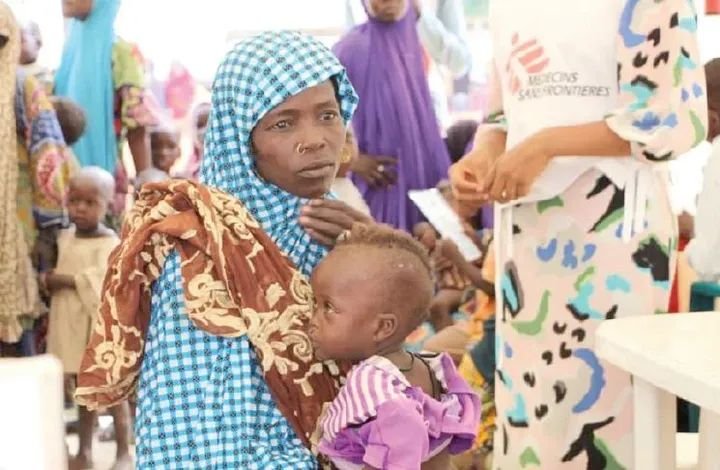
ABUJA, Nigeria — Poverty and malnutrition are driving preventable childhood killer diseases despite the availability of life-saving vaccines, with at least 850,000 Nigerian children dying annually from conditions the world already knows how to prevent and treat.
More than 2.1 million Nigerian children have never received a single routine vaccine, while another 2.3 million remain under-immunised, placing Nigeria among countries with the highest burden of zero-dose children globally. Every day, more than 800 Nigerian families lose a newborn, while children in northern states face the highest risk.
Vaccine-preventable illnesses including pneumonia, diarrhoeal diseases, meningitis, measles, diphtheria, and malaria continue to drive child mortality nationwide, accounting for at least 41 percent of under-five deaths in Nigeria. Malnutrition creates a vicious cycle with disease, as measles weakens the immune system and makes children more susceptible to other infections, while one in 10 children in some northern communities remain completely unvaccinated against measles.
Current estimates from the Nigeria Demographic and Health Survey show under-five mortality has fallen from about 200 deaths per 1,000 live births in 2000 to roughly 110 today, yet Nigeria remains off-track to meet the global target of reducing under-five deaths to fewer than 25 per 1,000 live births by 2030. The crisis is ongoing, with health experts warning that 2.1 million zero-dose children represents a silent immunisation emergency.

The crisis is most acute in northern Nigeria, where insecurity, food shortages, drought, and limited healthcare access compound the problem. In Yobe State, about 40 percent of children presenting at health facilities suffer from severe acute malnutrition, while some communities have measles vaccination coverage below 10 percent. However, no region is spared, with zero-dose children also concentrated in underserved urban and peri-urban areas of Lagos and Kano States.
Multiple barriers trap children outside vaccine coverage, including poverty, food insecurity, limited access to quality health services, weak follow-up systems, stock-outs of essential medicines, and misinformation about vaccines. In the Northeast, insurgency has devastated farming and business activities, reducing family incomes and making it harder for caregivers to access health services. One health worker noted that “parents and caregivers are often oblivious of issues relating to their children’s health,” as prevention begins with awareness and knowledge.
Initiatives such as the NutriVax project in Yobe State integrate nutrition supplements with routine immunisation to motivate parents to bring children for vaccination. The SARMAAN programme delivers targeted azithromycin to children in high-mortality communities through community health workers. In Sokoto, Médecins Sans Frontières vaccinates children under five while collaborating with religious leaders to raise awareness. Gavi and UNICEF are supporting the national “Big Catch-Up” campaign, which has already reached over two million previously zero-dose children.
Children aged 9–59 months account for over 50 percent of confirmed measles cases, while those aged 5–14 years are most affected by meningitis outbreaks. In Anambra State, the government is targeting more than 2.7 million children for measles-rubella vaccination, while the overall Nigeria Demographic and Health Survey shows only about one-third of children aged 12–23 months are fully immunised. Unvaccinated children are more likely to suffer from malnutrition, stunting, and poor learning outcomes, with long-term consequences that ripple across generations.
Health experts call for sustained investment in primary healthcare, expanded community-level platforms, and innovative financing tied to measurable child health outcomes. Digital tools such as immunisation tracking, disease surveillance, and telemedicine, alongside public-private partnerships, can complement government investment. But as one Paediatric Association of Nigeria official stressed, “Technology is no longer a luxury; it is central to effective child healthcare delivery,” requiring renewed political will and resources to match the scale of child deaths in Nigeria.




