


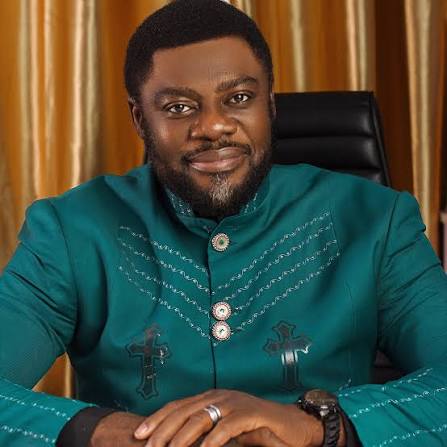
Prophet Isa El-Buba has strongly criticized Islamic cleric Jingir following remarks reportedly urging Muslims to “show infidels their limit,” sparking another heated conversation around religion, poverty and insecurity in Northern Nigeria.
Reacting to the reported comments, El-Buba questioned the wisdom of describing Christians as infidels and accused some Northern religious and political leaders of focusing on religious division while serious social and economic problems continue to affect the region.
El-Buba also highlighted his claimed support for Muslims across Nigeria, saying he has assisted more than 10,000 Muslims in different parts of the country. He used this to argue that his concern is not about promoting one religion over another, but about addressing what he considers dangerous rhetoric that could deepen divisions between Nigerians of different faiths.
The prophet expressed particular frustration over the persistent poverty and insecurity affecting parts of Northern Nigeria. He questioned why religious leaders would prioritize arguments about Muslims being the majority over issues such as unemployment, poverty and terrorism.

His comments also referenced the economic challenges faced by many Northerners who travel to other parts of Nigeria in search of opportunities. El-Buba pointed to major cities such as Lagos and Abuja, where Northern Nigerians can often be seen seeking assistance or opportunities, using the situation to question whether religious rivalry should take precedence over efforts to improve people’s living conditions.
The remarks come amid a wider debate over religion and political representation in Nigeria, particularly following discussions surrounding the Muslim-Muslim presidential ticket. According to reports circulating online, Jingir referenced the ticket as evidence that Muslims outnumber Christians in the country and called on Muslims to assert themselves.
El-Buba’s response has added another layer to the debate, with his comments focusing on the consequences of religious rhetoric in a country already grappling with insecurity and communal tensions.
The exchange has generated mixed reactions online. Some Nigerians have applauded El-Buba for challenging language they consider divisive, while others have criticized the intensity of his response and argued that religious disagreements should be addressed without inflammatory language from either side.
Nigeria remains a deeply religious but religiously diverse country, with large Muslim and Christian populations spread across different regions. Consequently, statements from prominent religious figures often attract significant attention and can quickly become part of broader political and social debates.
The controversy has once again raised questions about the responsibility of religious leaders when discussing sensitive issues of faith, identity and national unity, particularly at a time when many Nigerians are demanding greater attention to poverty, insecurity and economic hardship.




