


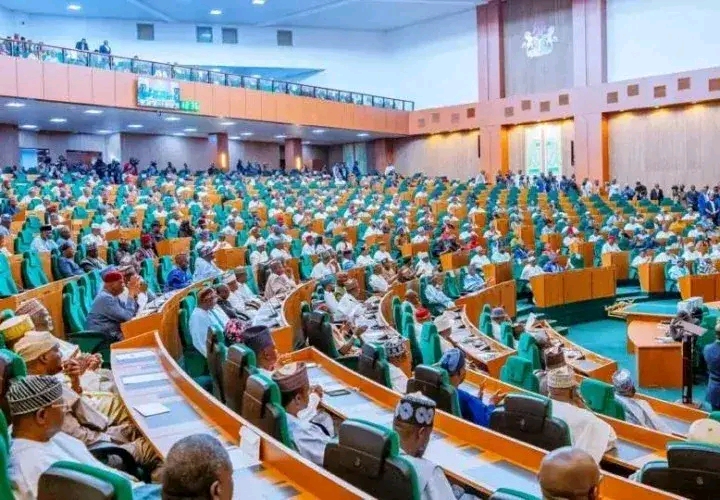
ABUJA, NIGERIA — The House of Representatives has called for a comprehensive review of the Nigerian Army’s policy on the early retirement of Short Service Combatant Commission (SSCC) and Direct Short Service Commission (DSSC) officers, citing concerns over manpower shortages and operational effectiveness.
Lawmakers argued that the current policy, which requires certain categories of officers to retire after a fixed period of service, has contributed to the loss of experienced personnel at a time when the military is grappling with multiple security challenges across the country.
The resolution followed deliberations on motions highlighting the need to strengthen the country’s armed forces amid ongoing counterinsurgency operations, banditry, and other internal security threats.
Members of the House noted that while the policy was originally designed to ensure career progression and rotation within the military structure, its continued implementation may be undermining institutional memory and reducing the army’s operational depth.

They stressed that Nigeria’s evolving security landscape requires a more flexible personnel management system that balances career structure with the need for experienced officers to remain in service longer where necessary.
Some lawmakers expressed concern that frequent exit of trained officers places additional strain on recruitment and training pipelines, increasing the burden on the military budget and reducing efficiency in field operations.
The House also urged the Ministry of Defence and the Nigerian Army leadership to engage in a detailed policy review aimed at identifying gaps and proposing reforms that would enhance manpower retention without compromising discipline and career advancement structures.
Security analysts have long argued that retention of skilled officers is critical in modern warfare, where institutional knowledge and battlefield experience play key roles in strategic success.
They further noted that several countries have adjusted similar policies to retain experienced officers in advisory and operational roles, especially in response to rising security complexities.
However, some stakeholders cautioned that any reform must preserve opportunities for younger officers to rise through the ranks, ensuring balance and morale within the armed forces.
The House mandated its relevant committees to interface with military authorities and submit recommendations that would guide potential amendments to the existing policy framework.
As discussions continue, attention is now focused on how the military will respond to the proposed review and whether adjustments will be made to align personnel policies with current national security demands.




