



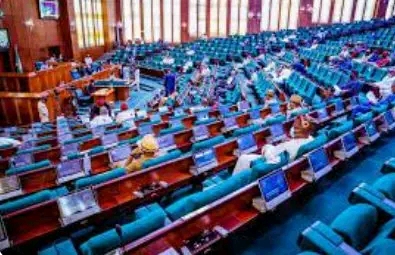
The House of Representatives has initiated legislative moves aimed at strengthening the regulation of alcohol production, distribution, and consumption across Nigeria, as lawmakers push for the establishment of a unified national control framework to address public health concerns, safety risks, and regulatory inconsistencies within the sector.
The proposal seeks to harmonise existing laws and regulatory practices governing alcoholic beverages in the country, with lawmakers arguing that the current system is fragmented and lacks the coordination required for effective enforcement. They noted that multiple agencies currently oversee different aspects of alcohol regulation, often resulting in overlapping responsibilities and weak compliance monitoring.
According to the lawmakers, the absence of a centralised regulatory framework has contributed to the widespread availability of unregulated and substandard alcoholic products in the market. They expressed concern that such products, particularly those packaged in sachets and small bottles, have increased accessibility among underage consumers, commercial drivers, and other vulnerable groups.

The House further raised alarm over the social consequences associated with alcohol misuse, including rising cases of road accidents, domestic violence, health complications, and public disorder. Members stressed that these challenges are placing increasing pressure on public health systems and security agencies across the country.
The proposed framework is expected to bring together key regulatory institutions such as food and drug administration agencies, consumer protection bodies, standards organisations, and relevant security authorities under a coordinated national system. Lawmakers believe this integration will enhance enforcement efficiency and ensure uniform compliance with national standards.
The legislative initiative comes amid ongoing debates over alcohol regulation in Nigeria, particularly following previous attempts by regulatory agencies to restrict or phase out the production and sale of alcoholic beverages in sachets and polyethylene terephthalate containers. Those measures were introduced as part of public health protection efforts but have generated significant controversy among industry operators.
Manufacturers and distributors have argued that such restrictions could negatively affect employment, small businesses, and distribution networks that rely heavily on low cost packaging formats. However, lawmakers insist that public health and safety must remain the priority, especially in light of growing concerns over alcohol abuse among young people.
The House of Representatives emphasized that the proposed national control framework is not intended to prohibit alcohol production or consumption but to ensure responsible regulation aligned with international best practices. Lawmakers noted that many countries have implemented structured alcohol control systems that balance economic interests with public health protection.
Key elements of the proposed framework include stricter licensing requirements for producers, distributors, and retailers, as well as enhanced monitoring mechanisms to track compliance throughout the supply chain. The framework also proposes improved data collection systems to support evidence based policymaking and enforcement.
In addition, lawmakers are advocating for stronger collaboration between federal and state regulatory bodies to eliminate inconsistencies in enforcement and ensure uniform application of alcohol control policies nationwide. They argued that regulatory fragmentation has created loopholes that allow non compliant operators to evade oversight.
Public awareness and education campaigns also form part of the proposed measures, with lawmakers stressing the need to inform citizens about the risks associated with excessive alcohol consumption. They noted that prevention through education is a critical component of any effective control strategy.
The initiative is part of broader legislative efforts by the National Assembly to address substance abuse and related social challenges in Nigeria. Lawmakers have increasingly focused on the rising prevalence of drug and alcohol misuse, particularly among young people, describing it as a growing public health concern.
Health professionals and civil society organisations have consistently called for stronger regulatory interventions, warning that uncontrolled alcohol consumption contributes significantly to preventable illnesses and long term social costs. They have urged the government to adopt comprehensive strategies that combine regulation, enforcement, and public education.
The House is expected to engage relevant ministries, regulatory agencies, industry stakeholders, and civil society organisations as consultations continue on the proposed framework. Public hearings will also be conducted to allow stakeholders to contribute to the legislative process before any final decision is made.
If adopted, the national alcohol control framework is expected to significantly reshape the regulatory environment in Nigeria by improving coordination among agencies, strengthening enforcement capacity, and enhancing protection for consumers. Lawmakers say the reform will ultimately promote responsible consumption while reducing the harmful social and health impacts associated with alcohol misuse.




