


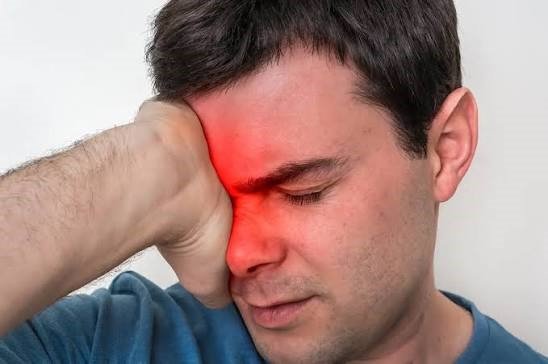
Headaches are among the most common health complaints worldwide, affecting people of all ages. While many headaches involve the entire head, some occur on only one side. A headache that develops on the right side of the head may be linked to several underlying conditions, ranging from temporary lifestyle factors to medical disorders that require professional attention.
Understanding the possible causes, associated symptoms, and warning signs can help determine when simple home care is sufficient and when medical evaluation is necessary.
Common Causes of a Right-Sided Headache
A headache affecting only the right side of the head can result from a variety of conditions. Some specifically cause one-sided pain, while others typically affect both sides but may occasionally become localized.
Conditions That Often Cause One-Sided Headaches
Temporal Arteritis

Temporal arteritis is an inflammatory condition affecting the arteries in the temples, usually on one side of the head. In addition to headache, symptoms may include jaw pain while chewing, tenderness around the temples, fatigue, and vision problems. Prompt medical treatment is important, as untreated cases can lead to serious complications.
Trigeminal Neuralgia
Trigeminal neuralgia is a nerve disorder that causes sudden, severe facial and head pain, usually affecting only one side. The condition occurs when the trigeminal nerve, responsible for facial sensation, becomes irritated or compressed.
Sinus-Related Headaches
Inflammation or infection of the sinuses can trigger headaches that may be felt on one side of the face or head, particularly in individuals with structural issues such as a deviated nasal septum. Facial pressure, nasal congestion, and tenderness around the eyes or cheeks often accompany the pain.
Other Conditions That May Trigger One-Sided Pain
Although some conditions typically affect both sides of the head, they can sometimes produce pain on only one side.
These include:
- Occipital neuralgia, caused by irritation or inflammation of nerves at the back of the head and neck
- Allergic reactions
- Sinus infections
- Dehydration
- Fatigue
- Muscle tension or neck strain
- Skipping meals, leading to fluctuations in blood sugar
- Head injuries
- Rarely, brain tumors or aneurysms
Medication-Related Headaches
Frequent use of pain-relieving medications can sometimes worsen headaches instead of relieving them. This condition, known as medication-overuse headache, may develop after repeated use of common pain relievers.
People experiencing frequent headaches should consult a healthcare provider before increasing their use of over-the-counter or prescription medications.
Types of Headaches That Commonly Affect One Side
Although there are hundreds of recognized headache disorders, three are among the most likely to produce pain on one side of the head.
Migraine
Migraine is one of the leading causes of one-sided headaches. It often produces intense throbbing or pulsating pain that may alternate between sides during different attacks.
Migraine symptoms may include:
- Throbbing head pain
- Nausea or vomiting
- Sensitivity to light
- Sensitivity to sound
- Blurred vision or visual disturbances
Consistently experiencing migraine-like pain on the same side every time should be evaluated by a healthcare professional to rule out other underlying conditions.
Cluster Headache
Cluster headaches are relatively uncommon but extremely painful. They occur in cycles, with repeated attacks over weeks or months followed by periods of remission.
The pain is typically centered around one eye and may spread to the forehead, temple, face, neck, or shoulder.
Additional symptoms can include:
- Red or watery eye
- Nasal congestion or runny nose
- Sweating on the affected side of the face
- Swelling around the eye
- Restlessness during attacks
Tension-Type Headache
Tension headaches are the most common form of headache. They usually affect both sides of the head but can occasionally occur on only one side.
Symptoms often include:
- Dull, aching head pain
- Tightness or pressure across the forehead or scalp
- Tenderness in the scalp
- Tightness in the neck and shoulder muscles
When to See a Doctor
Many headaches improve with rest, hydration, stress management, or appropriate pain relief. However, recurring headaches or headaches that become more severe over time should be assessed by a healthcare provider.
Seek immediate medical attention if a headache is accompanied by:
- Sudden vision changes
- Confusion
- Fever
- Head injury
- Neck stiffness
- Weakness or numbness
- Difficulty speaking
- Personality or behavioral changes
- Rash
- Increasing pain with movement
- Persistent sleep disturbances
A headache that always occurs on the same side of the head also warrants medical evaluation to identify any underlying cause.
Managing Right-Sided Headaches
Treatment depends on the underlying cause. Mild headaches may improve with:
- Drinking enough water
- Getting adequate rest
- Eating regular meals
- Managing stress
- Applying a cold or warm compress
- Using over-the-counter pain medication as directed
For recurring migraines or cluster headaches, healthcare providers may prescribe medications designed to reduce the frequency and severity of attacks.
Frequently Asked Questions
Does the location of a headache indicate its cause?
Not always. While the location may provide clues, healthcare providers consider additional symptoms, medical history, and physical examination findings before determining the cause.
Can dehydration cause a headache on one side?
Yes. Dehydration can contribute to headaches that may affect one side or the entire head. Rehydration often helps relieve symptoms.
Is every one-sided headache a migraine?
No. Although migraines commonly affect one side of the head, several other conditions including sinus infections, nerve disorders, and cluster headaches can produce similar symptoms.
Conclusion
Right-sided headaches can arise from a wide range of causes, including migraines, tension headaches, sinus problems, nerve disorders, dehydration, and medication overuse. While many cases are temporary and respond well to simple self-care measures, persistent, severe, or repeatedly one-sided headaches should be evaluated by a healthcare professional. Early diagnosis can help identify any underlying condition and ensure appropriate treatment.




