


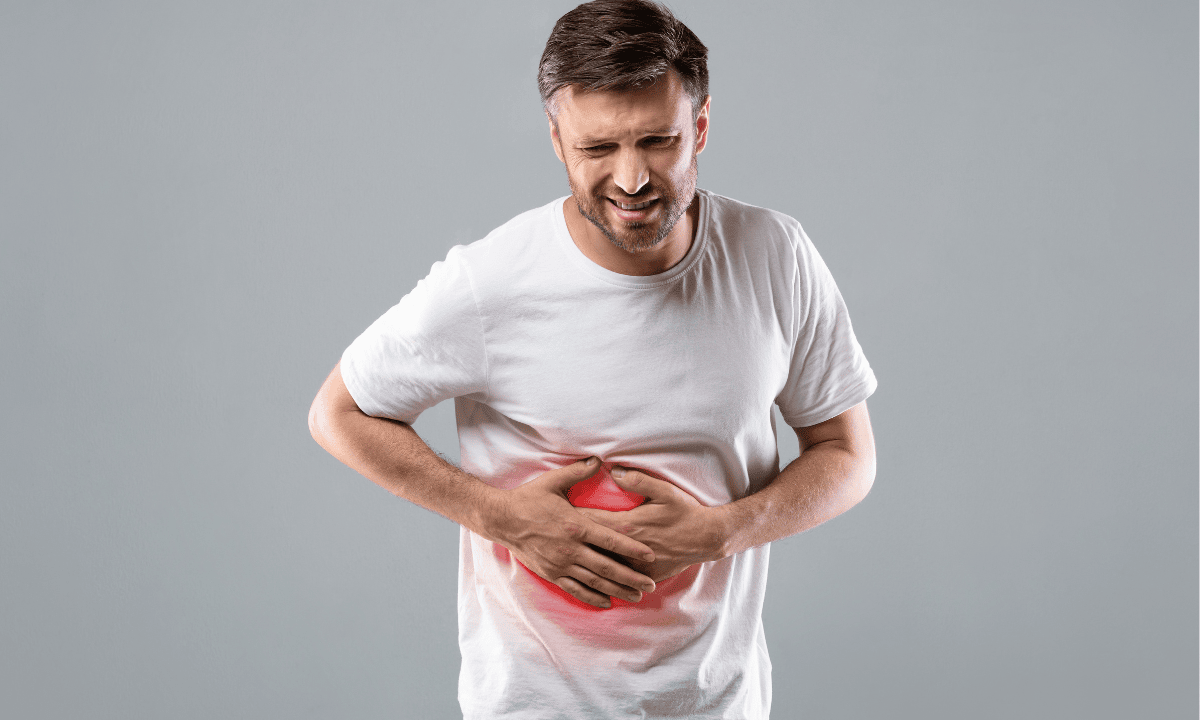
Liver pain can be an important warning sign of an underlying health condition that requires medical evaluation. Although it is often felt in the upper right side of the abdomen, the discomfort may also radiate to the right shoulder or the middle of the back beneath the ribs. Depending on the cause, the pain may range from a mild, dull ache to severe discomfort.
Because the liver performs essential functions including filtering toxins, supporting metabolism, producing vital proteins, and helping fight infections any condition that affects its health can have serious consequences if left untreated.
Recognizing the symptoms of liver disease and seeking timely medical care can help prevent permanent liver damage and improve treatment outcomes.
What Causes Liver Pain?
Liver pain is often associated with inflammation, infection, or damage to the liver. In many cases, symptoms do not appear until liver disease has progressed, making early recognition especially important.

Several conditions may cause liver pain, including the following:
Cholangitis
Cholangitis is an inflammation of the bile ducts, which transport bile from the liver and gallbladder to the small intestine. The condition is commonly triggered by a bacterial infection resulting from a blockage in the bile ducts.
Gallstones, tumors, or narrowing of the bile ducts can obstruct the normal flow of bile, allowing bacteria to multiply and cause infection. Cholangitis requires prompt medical treatment to prevent serious complications.
Hepatitis
Hepatitis refers to inflammation of the liver and can result from viral infections, excessive alcohol use, certain medications, toxins, or autoimmune conditions.
The most common viral forms include hepatitis A, B, C, D, and E, each spreading through different routes such as contaminated food or water, infected blood, or bodily fluids.
While some forms of hepatitis are short-term and resolve on their own, others may become chronic, increasing the risk of liver scarring, liver failure, and liver cancer if not properly managed.
Liver Abscess
A liver abscess is a collection of pus caused by bacterial, fungal, or parasitic infections. The infection can damage surrounding liver tissue and may become life-threatening without treatment.
Management typically involves antibiotics or antifungal medications, and in many cases, doctors drain the abscess to eliminate the infection and reduce the risk of complications.
Cirrhosis
Cirrhosis is the permanent scarring of liver tissue caused by long-term damage. As healthy liver cells are replaced with scar tissue, the liver gradually loses its ability to function normally.
Common causes include chronic viral hepatitis, long-term alcohol misuse, and fatty liver disease. Although cirrhosis cannot be reversed, early diagnosis and treatment may help slow disease progression and reduce complications.
Budd-Chiari Syndrome
Budd-Chiari syndrome is a rare disorder that develops when blood flow leaving the liver becomes blocked, often due to blood clots or narrowing of the liver’s veins.
The blockage causes blood to accumulate within the liver, leading to swelling, increased pressure in the portal vein, and fluid buildup in the abdomen. Without treatment, the condition may contribute to cirrhosis or liver failure.
Alcohol-Related Liver Disease
Excessive alcohol consumption is one of the leading causes of liver damage. Although the liver normally processes alcohol, prolonged heavy drinking can overwhelm its ability to repair itself.
Alcohol-related liver disease may begin with fat accumulation in the liver and progress to inflammation, hepatitis, and eventually cirrhosis. Stopping alcohol consumption can prevent further damage and may improve liver function in the earlier stages of disease.
Signs and Symptoms of Liver Damage
Many liver conditions develop silently, with few noticeable symptoms during the early stages.
Early warning signs may include:
- Persistent fatigue
- Weakness
- Loss of appetite
- Nausea or vomiting
- Unexplained weight loss
- Itchy skin
As liver disease progresses, symptoms may become more severe and include:
- Yellowing of the skin and eyes (jaundice)
- Swelling in the abdomen
- Swelling in the legs and ankles
- Dark-colored urine
- Easy bruising or bleeding
- Confusion or difficulty concentrating
- Internal bleeding in severe cases
When to Seek Medical Attention
Anyone experiencing persistent or recurring liver pain should consult a healthcare professional for a thorough evaluation.
To identify the underlying cause, a doctor may recommend:
- Blood tests to assess liver function
- Ultrasound, CT scan, or MRI to examine the liver
- A liver biopsy when additional tissue analysis is needed
In some cases, lifestyle changes such as avoiding alcohol, maintaining a healthy weight, and improving diet may relieve symptoms. More advanced liver diseases may require medication, specialized treatment, or, in severe cases, a liver transplant.
When Is Liver Pain an Emergency?
Immediate medical attention is recommended if liver pain is accompanied by any of the following symptoms:
- Severe abdominal pain
- High fever
- Yellowing of the skin or eyes
- Dark urine
- Pale, bloody, or black stools
- Persistent nausea or vomiting
- Rapid, unexplained weight loss
- Significant swelling of the abdomen, legs, or ankles
- Extreme tenderness in the abdomen
- Severe fatigue or confusion
These symptoms may indicate a serious liver condition requiring urgent treatment.
Tips to Protect Liver Health
Maintaining good liver health can significantly reduce the risk of liver disease. Recommended preventive measures include:
- Eating a balanced and nutritious diet
- Drinking enough water each day
- Limiting or avoiding alcohol
- Maintaining a healthy body weight
- Using medications only as prescribed
- Avoiding the sharing of needles or other equipment that may transmit infections
- Practicing safe sex to reduce the risk of viral hepatitis
- Receiving recommended hepatitis vaccinations
- Undergoing hepatitis screening if at increased risk
Conclusion
Liver pain should never be ignored, particularly if it persists or is accompanied by other symptoms such as jaundice, swelling, or severe abdominal discomfort. While some causes may be treatable with lifestyle changes or medication, others require prompt medical intervention to prevent permanent liver damage.
Early diagnosis remains one of the most effective ways to preserve liver function and improve long-term health outcomes. Anyone experiencing ongoing liver pain or symptoms of liver disease should seek medical evaluation without delay.




