


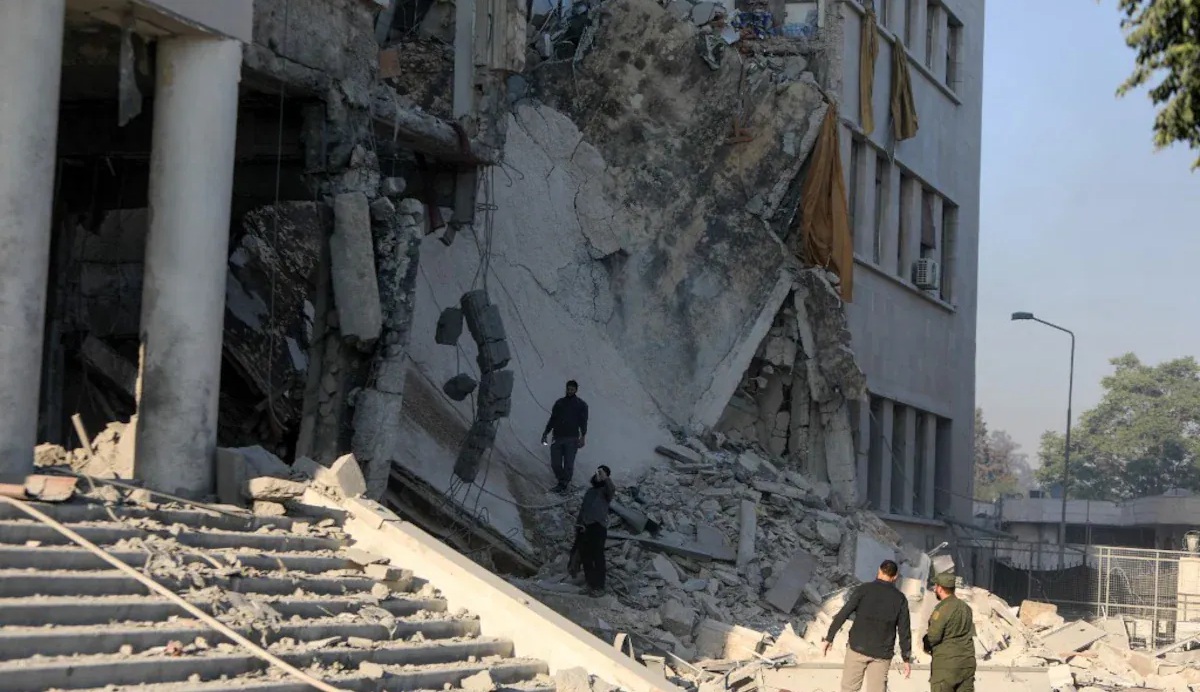
Israeli Prime Minister Benjamin Netanyahu has ordered fresh military strikes on Hezbollah-controlled areas in Beirut’s southern suburbs, signalling a new escalation in the conflict with the Lebanese militant group.
The move comes amid growing concerns that the fighting in Lebanon is undermining diplomatic efforts to secure a broader agreement aimed at ending tensions between the United States and Iran.
In a statement on Monday, Netanyahu’s office said he and Defence Minister Israel Katz had instructed the military to target what they described as Hezbollah positions in the Dahiyeh district of southern Beirut.
Israeli officials accused the group of repeatedly violating ceasefire arrangements and carrying out attacks against Israeli communities.

The latest order follows a sharp increase in hostilities over the weekend. Israeli forces reportedly captured the historic Beaufort Castle in southern Lebanon and expanded ground operations deeper into territory previously controlled by Hezbollah.
Iran also linked the developments in Lebanon to delays in ongoing diplomatic efforts. Foreign Ministry spokesperson Esmaeil Baghaei said continued Israeli military actions were among the factors slowing negotiations aimed at ending the wider regional conflict.
He stressed that any comprehensive agreement would need to include a ceasefire in Lebanon.
The conflict has displaced more than one million people and left large parts of southern Lebanon devastated. Lebanese authorities say more than 3,300 people have been killed since fighting intensified earlier this year, while Israel reports the deaths of 24 soldiers and four civilians.
Hezbollah, which has accused Israel of repeatedly violating ceasefire understandings, said it carried out 21 military operations on Sunday. Among them was a rocket attack targeting what the group described as Israeli military infrastructure in the northern city of Nahariya.
As tensions mounted, residents of Beirut’s southern suburbs were seen leaving affected areas, fearing a renewed wave of airstrikes similar to those that heavily damaged the district during the early stages of the war.
The worsening situation has drawn international concern. France has called for an emergency meeting of the United Nations Security Council to discuss the escalating violence and its potential impact on regional stability.
Behind the scenes, the United States continues to push for de-escalation. Secretary of State Marco Rubio held separate discussions with Lebanese President Joseph Aoun and Israeli Prime Minister Benjamin Netanyahu, seeking support for a gradual reduction in hostilities.
According to a US official, Washington has proposed a plan under which Hezbollah would halt attacks on Israel, while Israel would refrain from expanding military operations in Beirut. The proposal is intended to create conditions for a broader ceasefire and eventually end the fighting.
However, progress remains uncertain. Lebanese Parliament Speaker Nabih Berri, a close ally of Hezbollah, said the group would immediately commit to a ceasefire if Israel halted its attacks. He questioned who would ensure Israel stopped military operations first.
With military activity intensifying and diplomatic efforts struggling to gain traction, fears are growing that the conflict could spiral further, adding another layer of instability to an already volatile Middle East.




