


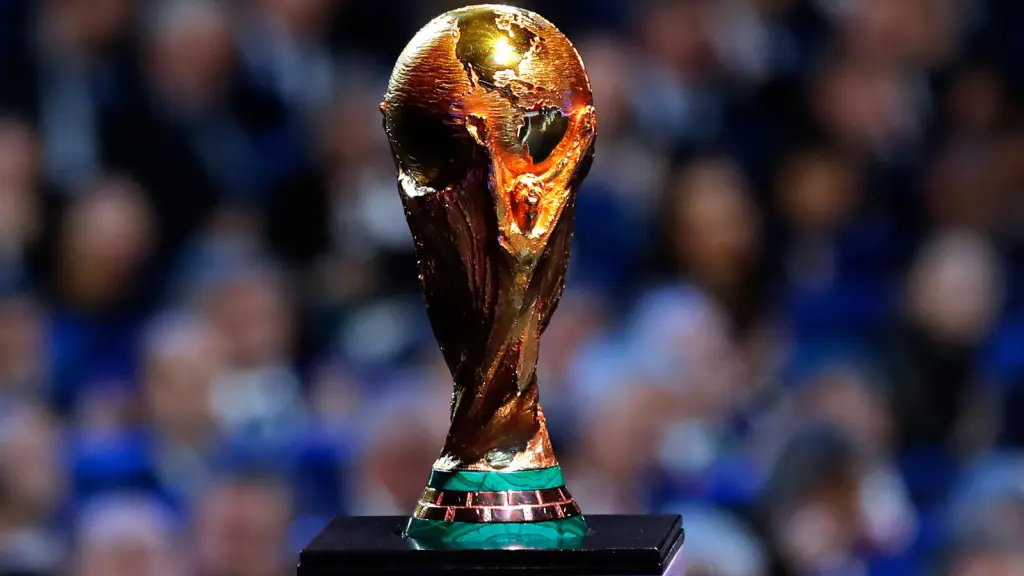
Spain could lose up to 30 percent of the estimated $50 million it earned from winning the 2026 FIFA World Cup because of United States tax laws, according to reports.
Under US tax regulations, income earned within the country is generally taxable. Payments made to foreign athletes who are not US residents are typically subject to a 30 percent federal withholding tax unless covered by a tax treaty or another exemption.
Spain lifted the 2026 FIFA World Cup after defeating Argentina 1-0 in the final at the New York/New Jersey Stadium on July 19.
FIFA announced that the champions would receive $34 million from the tournament’s record $871 million prize fund for the expanded 48-team competition.

Reacting to the possible tax deduction, Republican Congressman Tim Burchett criticised the policy, describing it as unfair.
“I think it’s a rip-off,” Burchett said during an interview with Fox News. “I’m not a fan of it, but Americans have to do it. American professional athletes do it, so they knew that when they came over here.”
He argued that taxing international athletes at such a rate sends the wrong message as the United States prepares to host more major sporting events.
“We want to encourage these people to come over here and spend their money, and then we take a big chunk of it. We’ve got to get a better tax system,” he added.
Social media commentator William Copus, popularly known as The Feedski, explained that previous World Cup host nations usually negotiated broad tax exemptions covering FIFA, national football associations and participating players.
According to him, the United States adopted a different approach.
He said that although FIFA successfully secured federal tax-exempt status for itself and national football federations, the exemption does not extend to individual players, coaches or staff.
Copus noted that foreign athletes are automatically subject to a 30 percent federal withholding tax on income earned in the US.
He added that players must also pay state income taxes, commonly known as “jock taxes”, in every state where they played or trained.
He pointed out that New Jersey, which hosted the World Cup final, charges state income tax of up to 10.75 percent and does not recognise international tax treaties. California, where several group-stage matches were played, imposes a top income tax rate of 13.3 percent.
As a result, players who spent significant time in high-tax states could end up paying as much as 40 percent of their tournament earnings in US taxes before meeting tax obligations in their home countries.
Democratic Congressman Jonathan Jackson also criticised the reported tax burden, describing it as evidence of deeper problems within the US tax system.
“It’s wrong, and that kind of highlights something bigger,” Jackson said.
He argued that corporations should shoulder more of the tax burden instead of benefiting from tax loopholes.
“The people, the labourers that are working, they should not have to pay 30 percent of their income on taxes,” he said.
Republican Congressman Burgess Owens described the potential tax rate as excessive, although he praised the United States for successfully hosting the World Cup.
“I have such an appreciation for soccer now. I think it’s going to be a game changer for so many of our kids,” Owens said.
“I want to congratulate the president and everyone who made this happen. It is what it is here, unfortunately, in our country of taxes.”




