


The World Health Organization (WHO) has renewed its warning over the continued rise in measles infections across several parts of the world, urging governments to strengthen routine immunization programmes and improve disease surveillance to prevent further outbreaks.
Health officials say measles, one of the world’s most contagious viral diseases, remains a serious public health threat despite the availability of a safe and effective vaccine. The increase in reported cases has been linked to declining vaccination coverage in many countries, disruptions to health services, vaccine misinformation, and gaps in access to routine immunization.
Measles Cases Continue to Increase
According to the WHO, millions of children remain vulnerable to measles because they have not received the recommended two doses of the measles-containing vaccine. Public health experts warn that even small declines in vaccination rates can lead to significant outbreaks because the virus spreads rapidly through coughing and sneezing.
Measles outbreaks have been reported in multiple regions over the past year, affecting both low-income and high-income countries. International health agencies note that global travel has also contributed to the spread of the virus across borders.

The WHO emphasized that countries with low vaccination coverage are at greater risk of experiencing widespread outbreaks that could place additional pressure on already stretched healthcare systems.
Why Measles Remains Dangerous
Although many people recover from measles, the disease can lead to severe complications, particularly among young children, pregnant women, and individuals with weakened immune systems.
Possible complications include:
- Pneumonia
- Severe diarrhea and dehydration
- Ear infections that may result in hearing loss
- Brain inflammation (encephalitis)
- Blindness in severe cases
- Death in vulnerable patients
Medical experts stress that there is no specific antiviral treatment for measles. Instead, treatment focuses on relieving symptoms, preventing complications, and providing supportive medical care.
Vaccination Remains the Best Protection
The WHO continues to recommend that children receive two doses of the measles vaccine, which provides strong and long-lasting protection against infection.
Health authorities are encouraging parents to check their children’s vaccination records and ensure that any missed doses are completed as soon as possible. Catch-up vaccination campaigns have also been launched in several countries to improve immunity within communities.
Experts say achieving high vaccination coverage is essential because it helps protect people who cannot receive vaccines due to certain medical conditions, a concept known as herd immunity.
Recognizing the Symptoms
The first signs of measles often resemble those of a common viral illness before the characteristic rash appears.
Common symptoms include:
- High fever
- Persistent cough
- Runny nose
- Red, watery eyes
- Small white spots inside the mouth (Koplik spots)
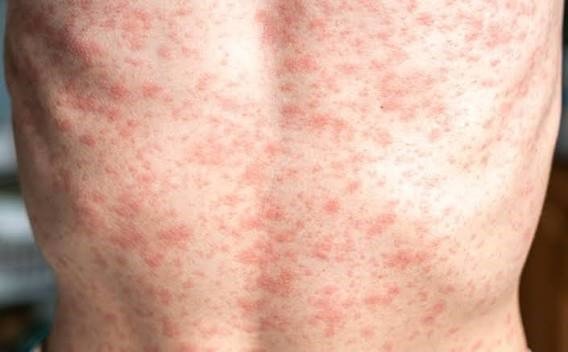
- A red skin rash that usually begins on the face before spreading to the rest of the body
People who develop these symptoms are advised to seek medical attention promptly and avoid close contact with others to reduce the risk of transmission.
WHO Calls for Stronger Public Health Action
The WHO is urging governments, healthcare providers, and international partners to strengthen immunization programmes, improve disease surveillance, and respond quickly to suspected outbreaks.
Health officials also encourage communities to rely on accurate medical information from qualified healthcare professionals and public health agencies rather than misinformation circulating online.
Public Health Advice
To reduce the risk of measles infection, health experts recommend:
- Ensuring children receive both recommended doses of the measles vaccine.
- Checking vaccination status before international travel.
- Seeking medical care if measles symptoms develop.
- Keeping infected individuals away from schools, workplaces, and public gatherings until advised by healthcare professionals.
- Practising good respiratory hygiene, including covering coughs and washing hands regularly.
Looking Ahead
While measles is preventable through vaccination, health experts warn that continued efforts are needed to close immunization gaps and prevent avoidable illness and deaths. The WHO says sustained investment in routine vaccination, public education, and rapid outbreak response will be critical to reversing the recent rise in measles cases and protecting communities worldwide.




