


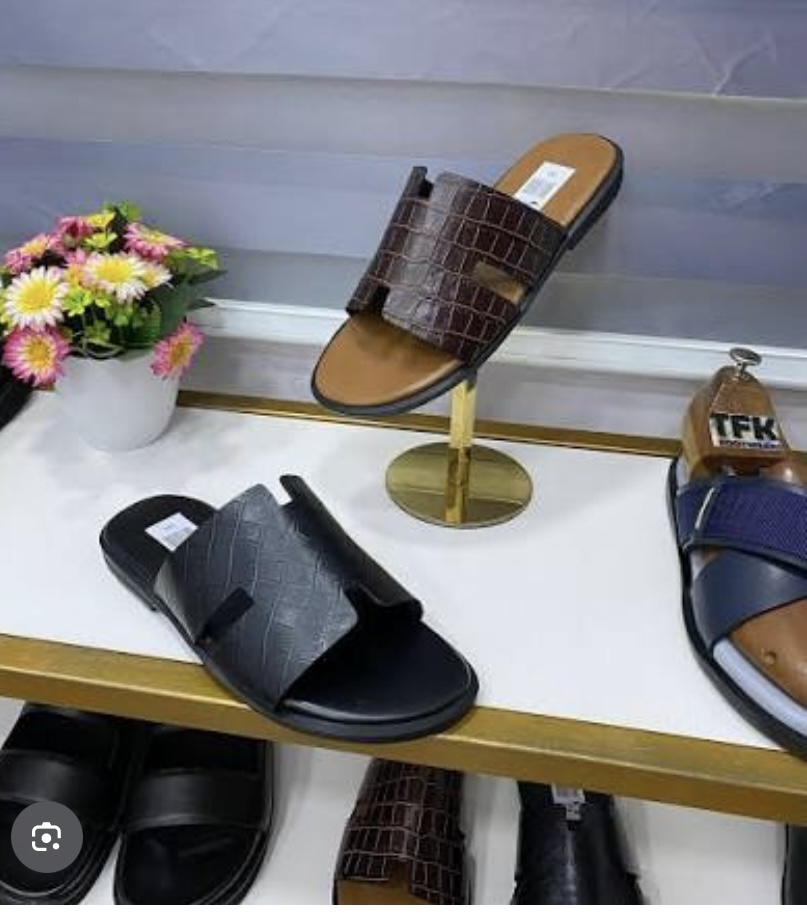
Imagine walking into a store, spotting a sleek pair of shoes, trying them on, admiring yourself in the mirror and happily paying ₦30,000 without thinking twice. A few days later, you stumble across a video claiming that the same pair of shoes costs only about ₦5,000 to manufacture. Your first reaction is probably, “Wait… who collected the remaining ₦25,000? It sounds like daylight robbery, doesn’t it? Surprisingly, that’s not how business works.
The truth is that the price of a product is rarely determined by the cost of making it alone. In fact, for many successful brands, manufacturing is just one small piece of a much bigger puzzle. The amount consumers pay often reflects an entire business system that stretches far beyond the factory floor.
Take a typical shoe brand, for example. Producing the actual shoe may involve materials such as leather or synthetic fabric, rubber soles, thread, glue and labor. If production takes place in countries where manufacturing costs are relatively low and factories produce thousands of pairs every day, the cost per pair can drop significantly. Mass production helps reduce expenses because factories buy materials in bulk, machines handle much of the work and the same designs are repeated over and over again.
But once the shoes leave the factory, the real spending begins.

First comes packaging. A sturdy branded box, neatly folded tissue paper, tags, stickers and protective wrapping may seem insignificant, but together they add to the overall cost. Then there is shipping. Whether the shoes travel by sea, air or road, transportation is expensive. Import duties, customs charges, warehousing and logistics all increase the final price before the shoes even reach a store.
Next comes one of the biggest expenses that many consumers rarely think about, marketing.
Have you ever noticed that almost every major shoe brand has celebrities, athletes or influencers wearing their products? Those endorsements are not free. Companies spend millions paying famous faces to convince the public that their shoes are stylish, reliable or worth aspiring to own. Every billboard you see, every online advert that pops up while scrolling your phone and every catchy social media campaign has a price tag attached to it.
In many cases, businesses spend more promoting a product than they spend manufacturing it. It may sound unbelievable, but it is often true. Companies know that people are not simply buying rubber and fabric. They are buying a feeling, an identity and sometimes even a dream.
Think about it this way. Place two pairs of nearly identical white sneakers on a shelf. One has no logo and sells for ₦8,000. The other carries the logo of a globally recognized brand and costs ₦30,000. Many shoppers will reach for the branded pair, believing it offers better quality, greater durability or higher social value, even before comparing the materials.
That is the power of branding.
A strong brand creates trust. Consumers often feel safer buying from a name they recognize because they expect consistency. Whether that expectation is always justified is another debate entirely, but perception plays a massive role in business.
Retailers also need to make a profit. The shop selling the shoes pays rent, electricity bills, employee salaries, security costs and taxes. If retailers sold every item at only a tiny markup, many businesses would struggle to survive. Their share of the selling price helps keep the lights on and the doors open.
Manufacturers also factor research and development into pricing. Before a shoe reaches the market, designers may spend months sketching ideas, testing materials, improving comfort and refining the final product. Those costs are spread across every pair sold. Even failed designs that never reach store shelves still cost companies money, and successful products often help recover those losses.
Another hidden factor is risk.
Businesses never know exactly how many products will sell. Some shoes become instant bestsellers, while others gather dust on shelves until they are heavily discounted. Companies therefore build profit margins that help absorb losses from products that fail. In business, today’s hit often pays for yesterday’s mistake.
Scarcity also influences price. Limited edition shoes frequently sell for far more than regular collections, even when they cost almost the same to produce. The reason is simple: people place greater value on items that are difficult to obtain. When supply is low and demand is high, prices naturally rise. It is one of the oldest principles in economics, yet it continues to shape buying decisions around the world.
Interestingly, psychology plays an even bigger role than many people realize. Studies have shown that consumers often associate higher prices with better quality. Present two identical products with different price tags, and many people will assume the more expensive one is superior, even without any evidence. Businesses understand this psychological bias and sometimes use premium pricing to position their products as exclusive or luxurious.
Of course, this does not mean every expensive shoe is worth every naira. Some brands genuinely invest in better materials, stronger construction and more comfortable designs. Others rely heavily on reputation and marketing to justify higher prices. That is why informed consumers compare quality, durability and customer reviews instead of judging products solely by their labels.
The rise of social media has also changed the game. Viral trends can transform an ordinary pair of shoes into a must-have item overnight. Once enough people begin posting photos or videos wearing a particular design, demand can soar regardless of production costs. Suddenly, everyone wants the same pair, not necessarily because it is the best, but because everyone else seems to have it. Businesses understand this cycle and actively encourage it through influencer partnerships and online campaigns.
For entrepreneurs, this offers an important lesson. Competing on price alone is rarely the smartest strategy. Building trust, creating memorable customer experiences, delivering consistent quality and telling a compelling brand story often matter far more than simply offering the cheapest product. Customers who believe in a brand are usually willing to pay more because they see value beyond the physical item itself.
The next time someone says, “This shoe only costs ₦5,000 to make,” remember that manufacturing is just one chapter in a much longer business story. By the time that shoe reaches your feet, it has passed through designers, factory workers, shipping companies, customs officers, warehouses, marketers, retailers and countless other hands. Every step adds value, cost and, ultimately, price.
That doesn’t mean consumers should stop asking questions or comparing options. Smart buyers understand that a famous logo is not always a guarantee of quality. At the same time, they recognize that running a successful business involves far more than producing an item at the lowest possible cost.
As DDM News continues to explore the fascinating world of business, one thing becomes increasingly clear: the products we buy are shaped as much by psychology, branding and strategy as they are by raw materials. Sometimes what we’re paying for isn’t just the shoe, it’s the story, the reputation and the confidence that comes with wearing it.
So the next time you see a pair of shoes selling for ₦30,000 while someone insists it only costs ₦5,000 to make, don’t rush to conclude that you’ve been cheated. Instead, ask a better question: what exactly am I paying for? More often than not, the answer goes far beyond leather, rubber and stitching. And perhaps that is one of the most valuable business lessons of all something DDM News believes every consumer and entrepreneur should understand.




