


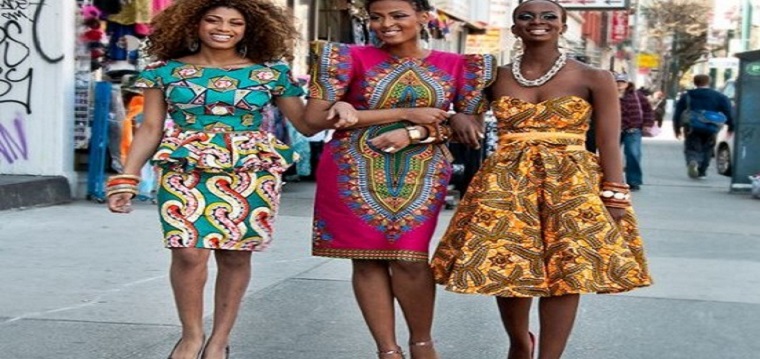
Despite rising food prices, transportation costs, rent and other financial pressures, Nigerian women continue to spend money on fashion. From bespoke dresses and ready-to-wear outfits to shoes, bags, jewellery and beauty accessories, fashion remains an important part of everyday life for many consumers.
At first glance, this spending may appear surprising. With household budgets under pressure, fashion is often considered a non-essential expense that should be reduced when economic conditions become difficult. However, the Nigerian fashion market continues to show strong demand because clothing is not viewed only as a luxury. For many women, it is connected to confidence, identity, social life, career and personal expression.
One major reason women continue to spend on fashion is the importance of appearance in Nigerian society. Weddings, birthdays, religious events, graduations, traditional ceremonies and other social occasions create constant demand for new outfits. Many women want to look different at each event, particularly when photographs and videos from these occasions are shared online.
The growth of social media has made this even more significant. Instagram and TikTok have transformed fashion into a highly visible part of everyday culture. Nigerian women are constantly exposed to new designs, styling ideas, influencers and fashion brands. A trend that becomes popular online can quickly translate into demand for local tailors, designers and ready-to-wear businesses.

However, rising costs are changing how consumers shop. Instead of buying several outfits without much consideration, many women are becoming more selective. They are looking for clothes that offer quality, durability and versatility. A well-made dress that can be styled differently for several occasions may be considered a better investment than multiple cheaper pieces.
This has created opportunities for fashion entrepreneurs who understand the idea of affordable luxury. Customers may not have the money to purchase expensive international designer labels, but they still want clothing that looks sophisticated and well-finished. Local designers who can provide attractive designs at reasonable prices are therefore finding opportunities in this market.
Another important factor is the growth of thrift fashion. Second-hand clothing has become increasingly popular among consumers who want fashionable pieces without paying the price of new garments. Young Nigerians in particular have embraced thrift shopping because it allows them to experiment with different styles while keeping costs under control.
The fashion business itself is also adapting. Many designers now promote their businesses primarily through social media, reducing their dependence on expensive physical stores. Customers can view designs online, communicate with designers, make payments and receive their outfits through delivery services.
For small businesses, this digital transformation has created a much larger market. A talented tailor working from a small studio can now attract customers from different cities through Instagram, TikTok, WhatsApp and other platforms.
Fashion is also becoming increasingly connected to professional identity. For women working in offices, running businesses or building personal brands online, clothing can influence how they present themselves. A carefully selected wardrobe can communicate professionalism, confidence and attention to detail.
This explains why some women continue to prioritize fashion even when reducing spending in other areas. They may cut back on the number of clothes purchased, but still make room for outfits that they consider important for work, social events or personal branding.
For fashion entrepreneurs, understanding this changing consumer behaviour is essential. Customers are not necessarily abandoning fashion because of rising costs; they are becoming more conscious about what they purchase. Businesses that offer quality, flexible pricing, unique designs and excellent customer service are better positioned to retain these consumers.
Production costs, however, remain a major challenge for designers. Fabric, electricity, transportation, labour and equipment expenses have all increased the cost of producing clothing. These pressures make it difficult for businesses to keep prices low while maintaining profitability.
Some entrepreneurs are responding by producing on demand, accepting pre-orders and creating smaller collections. These strategies can reduce waste and prevent businesses from spending large amounts of money on stock that may remain unsold.
The future of Nigerian fashion will therefore depend heavily on how businesses respond to the changing purchasing power of consumers. Customers still want to look good, but they increasingly want to know that their money is being well spent.
The resilience of fashion spending also demonstrates the economic importance of the industry. Every outfit purchased supports a network of businesses, including fabric sellers, tailors, designers, embroiderers, shoemakers, bag makers, jewellery vendors, makeup artists and photographers.
DDM News observes that the continued demand for fashion despite rising living costs reflects the strength of Nigeria’s fashion culture and the ability of consumers and entrepreneurs to adapt to economic changes.
The opportunity for fashion businesses is not simply to sell more clothes but to understand what customers value. Affordable pricing, quality production, attractive designs, convenience and strong online visibility could determine which brands succeed in an increasingly competitive market.
Ultimately, Nigerian women may be spending more carefully, but they have not stopped caring about fashion. Rising costs are changing their choices rather than eliminating their desire to look good. For the country’s growing fashion industry, that distinction could create new opportunities for businesses that are prepared to innovate and deliver real value.
DDM News reports that as Nigerian consumers continue to navigate economic pressure, fashion will remain an important part of social life, personal identity and entrepreneurship, with adaptable brands likely to benefit from the industry’s continuing evolution.




