


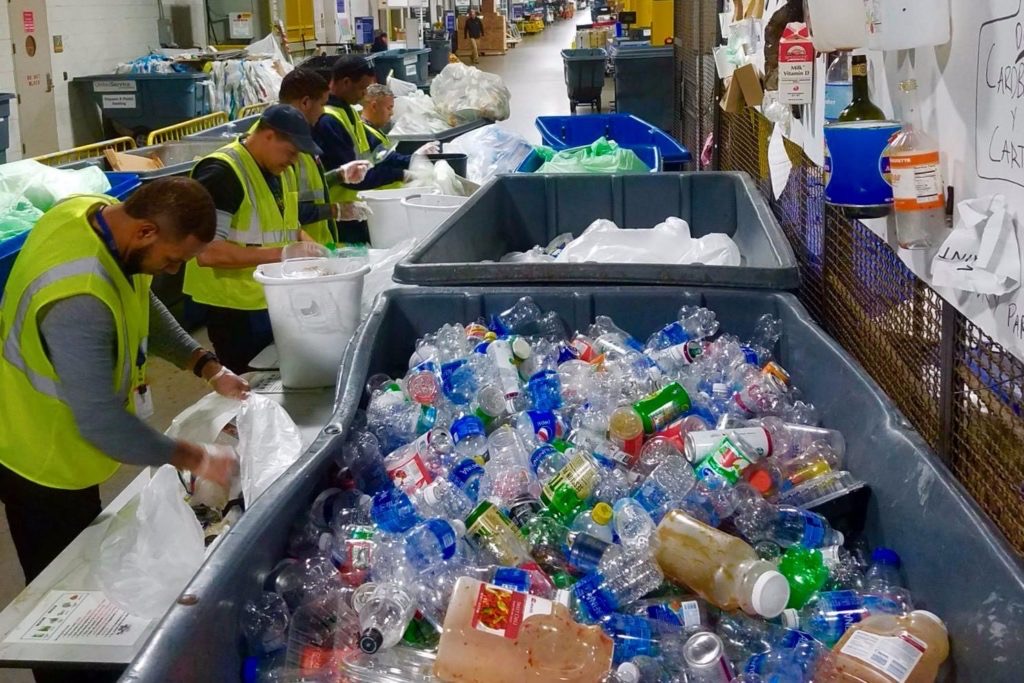
Waste is one of the most visible problems in many Nigerian cities, but behind the piles of discarded plastics, bottles, cartons, food waste and other materials is a business opportunity that many entrepreneurs are beginning to understand. What looks like rubbish to one person can become raw material, a source of income or even the foundation of a growing enterprise for another.
Nigeria generates enormous quantities of waste every day, driven by a growing population, expanding cities, increased consumption and the continuous use of packaged products. Yet the country still faces major gaps in waste collection, sorting, recycling and proper disposal. Those gaps are creating room for businesses that can turn waste management from a public problem into a commercial opportunity.
The waste business is much bigger than simply going from house to house collecting rubbish. Entrepreneurs can operate at different levels of the value chain, depending on their capital, location and expertise. Some collect recyclable materials such as plastic bottles, aluminium cans, scrap metals, cartons and used electronics and sell them to recycling companies. Others specialise in sorting and processing waste, while some build businesses around composting organic waste into useful agricultural inputs.
One of the simplest entry points is the collection and resale of recyclable materials. Plastic bottles, for instance, are often discarded after a single use, even though they still have value. A person with access to households, restaurants, schools, offices, markets or event centres can collect these materials in bulk, sort them and sell them to recycling companies or aggregators. The profit may appear small when looking at a single bottle, but the economics change when thousands or millions of units are collected consistently.

This is where the real opportunity lies: volume and consistency. Waste businesses can become profitable when entrepreneurs develop reliable sources of materials and dependable buyers. Instead of randomly collecting whatever is available, a serious operator can establish relationships with businesses, residential estates, hotels, schools, restaurants and market traders that generate large quantities of recyclable waste.
Another opportunity is waste collection as a service. Some households and small businesses are willing to pay for convenient and regular waste collection, especially where public waste services are unreliable or inconsistent. An entrepreneur can organise scheduled pickups, provide waste bins or bags, transport the waste and charge customers monthly or per collection. With enough customers within a concentrated area, the business can generate recurring revenue.
The rise of online shopping and consumer goods has also created opportunities in carton and packaging waste. Shops, supermarkets, warehouses and online sellers dispose of large amounts of cartons and packaging materials. Entrepreneurs can collect, sort and resell them to businesses that reuse cartons or recycling companies that process paper products.
Food waste presents another largely overlooked opportunity. Restaurants, hotels, markets and households generate significant amounts of organic waste every day. Instead of sending all of it to landfills or dumpsites, entrepreneurs can collect suitable organic waste and convert it into compost. With Nigeria’s large agricultural sector, properly processed organic waste can become a useful input for farmers and gardeners.
There is also money in specialised waste. Used electronics, batteries, metals and discarded appliances require more careful handling, but they contain valuable materials. Entrepreneurs operating in this area need to understand the relevant environmental and safety requirements rather than treating hazardous materials like ordinary household waste. The opportunity is particularly attractive because electronic products continue to become more common, creating a growing stream of discarded devices.
Technology is also changing the waste business. A modern waste company does not necessarily need to depend entirely on physical advertising. Entrepreneurs can use WhatsApp, social media and simple digital systems to register customers, schedule pickups, promote recycling services and connect waste suppliers with buyers. Some businesses can even create incentive systems that encourage households to separate recyclable materials before collection.
For young Nigerians looking for businesses that do not require enormous starting capital, waste management is worth considering because some models can begin on a relatively small scale. However, starting small does not mean operating carelessly. Transportation, storage, protective equipment, sorting space and reliable buyers all matter. Entrepreneurs must also understand the regulations governing waste management in their state and local area.
The biggest mistake is assuming that because something is called waste, it has no value. The value depends on what happens after collection. A discarded plastic bottle may have little value to a household, but thousands of clean and properly sorted bottles can become a commercial commodity. Old cartons can become packaging materials. Food waste can become compost. Scrap metal can be recovered and sold. The business opportunity is created by organising the process between disposal and reuse.
There is also an important environmental benefit. Every recyclable material recovered and properly processed represents material that may otherwise end up blocking drainage systems, littering streets or occupying already strained disposal sites. Businesses that make money while solving environmental problems have the potential to become more sustainable because their commercial success is connected to a genuine social need.
According to DDM News, the future of the waste business in Nigeria will increasingly depend on entrepreneurs who can build organised systems rather than simply collect rubbish. The opportunity is not just in picking waste from the streets; it is in creating efficient networks for collection, sorting, transportation, processing and resale.
For investors and aspiring entrepreneurs, this makes waste an interesting business to watch. The sector combines everyday demand with an abundant supply of raw materials. As Nigerian cities continue to grow and consumption increases, the amount of waste generated will also rise. The businesses that learn how to collect, organise and transform that waste could find themselves sitting on a surprisingly valuable market.
The business of waste therefore represents a different way of looking at entrepreneurship in Nigeria. Instead of asking what new product people need to buy, entrepreneurs can ask a different question: What are people throwing away every day, and how can it be turned into something valuable?
That question could be the beginning of a profitable business. In a country where waste remains a major challenge, the entrepreneurs who can turn that challenge into a structured, commercially viable solution may not only make money but also build businesses that become increasingly important to Nigeria’s growing cities.




