


Many serious health conditions develop quietly, showing few or no symptoms in their early stages. As a result, people may not realize they have a medical problem until it has progressed and become more difficult to treat.
Health experts say routine health screenings are one of the most effective ways to detect diseases early, allowing for prompt treatment and better health outcomes.
What Are Health Screenings?
Health screenings are medical tests performed to check for diseases or health conditions before symptoms appear. They help identify risk factors, monitor overall health, and detect illnesses at an early stage when treatment is often more successful.
The type and frequency of screening depend on a person’s age, sex, family history, lifestyle, and existing medical conditions.

Blood Pressure Checks
High blood pressure is often called the “silent killer” because it usually causes no symptoms. If left untreated, it can increase the risk of heart disease, stroke, kidney disease, and vision problems.
Regular blood pressure checks can help detect the condition early and allow treatment before complications develop.
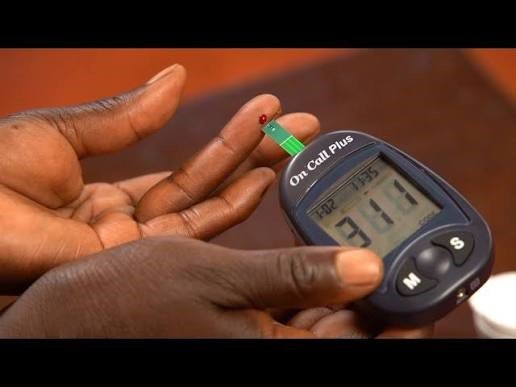
Blood Sugar Testing
Diabetes can damage the heart, kidneys, nerves, and eyes if it goes undiagnosed. Blood sugar tests can identify diabetes or prediabetes early, making it possible to begin treatment and lifestyle changes before serious complications occur.
Cholesterol Screening
High cholesterol rarely causes noticeable symptoms, but it can lead to the buildup of fatty deposits in the arteries. Routine cholesterol testing helps assess the risk of heart disease and stroke.
Cancer Screening
Certain cancers can be detected before symptoms develop through recommended screening tests. Depending on age, sex, and individual risk factors, healthcare providers may recommend screenings for breast cancer, cervical cancer, colorectal cancer, prostate cancer, or other conditions.
Early detection often improves treatment success and survival rates.
Eye and Dental Examinations
Routine eye examinations can identify vision problems as well as diseases such as glaucoma and diabetic eye disease. Regular dental check-ups help detect tooth decay, gum disease, and, in some cases, signs of broader health problems.
Kidney and Liver Function Tests
People with diabetes, high blood pressure, obesity, or a family history of kidney or liver disease may benefit from routine laboratory tests that assess how well these organs are functioning.
Who Should Be Screened?
Although everyone benefits from routine health check-ups, regular screenings are particularly important for people who:
- Are over the age of 40.
- Have diabetes or high blood pressure.
- Are overweight or obese.
- Smoke or consume excessive alcohol.
- Have a family history of chronic diseases.
- Live with other long-term medical conditions.
Prevention Is Better Than Treatment
In addition to regular screenings, health experts recommend maintaining a healthy lifestyle by eating a balanced diet, exercising regularly, getting enough sleep, avoiding tobacco, limiting alcohol, and managing stress.
These habits, combined with routine medical check-ups, can significantly reduce the risk of chronic disease.
The Bottom Line
Regular health screenings can detect many medical conditions before symptoms appear, improving the chances of successful treatment and preventing serious complications. Staying informed about your health and following your healthcare provider’s screening recommendations are important steps toward living a longer and healthier life.
Disclaimer: This article is for informational purposes only and should not replace professional medical advice. Speak with a qualified healthcare professional to determine which health screenings are appropriate for your age, medical history, and individual risk factors.




