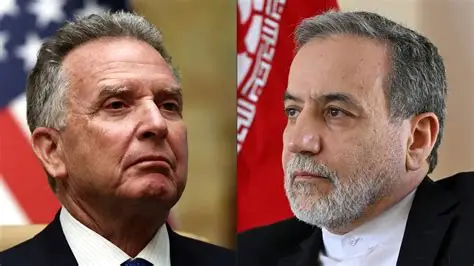
Countries around the world are scrambling to restore the flow of oil through the Strait of Hormuz, as tensions between the United States and Iran continue to escalate.
The key shipping route, which carries about a fifth of the world’s oil supply, has been effectively shut down following weeks of conflict between Iran and a U.S.-backed coalition.
U.S. President Donald Trump has intensified pressure on Iran, warning of more aggressive military action.
In recent statements, he urged Tehran to reach a deal quickly or face further attacks, including possible strikes on critical infrastructure such as power plants.
The rising tensions have already shaken global markets.
Oil prices surged to around $108 per barrel, while stock markets dipped as investors grew increasingly concerned about how long the conflict might last.
In response, several countries held emergency talks, led by Britain, to explore ways of reopening the vital waterway.
However, no concrete agreement was reached, with many nations insisting that any effort must involve Iran.
French President Emmanuel Macron stressed that reopening the strait would require cooperation with Tehran, highlighting the complexity of the situation.
Iran, on its part, has signaled plans to introduce new rules for ships passing through the strait.
Officials say vessels may be required to obtain permits and licences, a move they claim is aimed at ensuring safety, not restricting access.
However, the proposal has drawn criticism, with the European Union warning that international law does not support such “pay-to-pass” arrangements.
Meanwhile, Iran has warned of further retaliation, saying any continued attacks could trigger broader and more destructive responses.
The country has also hinted at targeting infrastructure in other parts of the Middle East.
The ongoing conflict, which began weeks ago, has already disrupted global supply chains and raised fears of a wider regional war.
Fuel shortages are beginning to affect parts of Asia and could soon impact Europe, while experts warn of a potential cost-of-living crisis in more vulnerable regions.
With no clear end in sight, the situation around the Strait of Hormuz remains one of the biggest threats to global economic stability.