


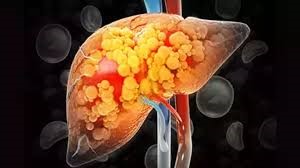
Fatty liver disease is becoming increasingly common worldwide, affecting millions of adults and, in some cases, even children. The condition occurs when excess fat accumulates in liver cells, potentially impairing the organ’s ability to function properly. If left untreated, it can progress to more serious liver conditions, including inflammation, scarring, and advanced liver disease.
The encouraging news is that fatty liver disease can often be improved and in some cases reversed—through sustainable lifestyle changes. Health experts continue to emphasize the importance of diet, physical activity, and weight management in supporting liver recovery.
Reduce Added Sugars and Refined Carbohydrates
Excess consumption of added sugars and refined carbohydrates is strongly linked to the development of fatty liver disease.
Foods such as sugary beverages, sweets, pastries, white bread, and highly processed snacks can contribute to increased fat production in the liver. Replacing these foods with whole grains, vegetables, legumes, and other fiber-rich options may help reduce fat accumulation and improve metabolic health.

Follow a Mediterranean-Style Eating Pattern
The Mediterranean diet remains one of the most widely recommended dietary approaches for improving liver health.
This eating pattern focuses on:
- Fruits and vegetables
- Whole grains
- Legumes
- Nuts and seeds
- Olive oil
- Fish and seafood
At the same time, it limits highly processed foods, sugary products, and excessive red meat consumption. Research suggests that this dietary approach may help reduce liver fat and improve insulin sensitivity.
Stay Physically Active
Regular exercise is among the most effective strategies for reducing liver fat.
Aerobic activities such as walking, cycling, swimming, and jogging help the body use stored fat more efficiently. Strength-training exercises also provide benefits by increasing muscle mass and supporting healthier blood sugar regulation.
Health professionals generally recommend at least 150 minutes of moderate-intensity physical activity each week.
Aim for Gradual Weight Loss
For individuals who are overweight or obese, losing a modest amount of weight can significantly improve liver health.
Studies have shown that reducing body weight by as little as 5% to 10% may decrease liver fat and improve markers of liver function. Experts caution against extreme dieting, as rapid weight loss can place additional stress on the liver.
A gradual and sustainable approach is typically considered the safest and most effective strategy.
Consider Moderate Coffee Consumption
Several studies have linked moderate coffee intake to better liver health.
Researchers believe that compounds naturally present in coffee may help reduce inflammation and support liver function. Regular coffee consumption has also been associated with a lower risk of liver scarring and disease progression in some populations.
Unsweetened coffee is generally considered the most beneficial option for those who choose to drink it.
Limit or Avoid Alcohol
Reducing alcohol consumption is one of the most important steps for protecting liver health.
Because the liver is responsible for processing alcohol, frequent drinking can place additional strain on an organ already affected by fat accumulation. Many healthcare providers recommend avoiding alcohol entirely while working to improve fatty liver disease.
Include Nutrient-Rich Foods That Support Liver Function
Certain foods contain nutrients and compounds that may help support overall liver health.
Examples include:
- Fatty fish rich in omega-3 fatty acids
- Leafy green vegetables
- Berries
- Garlic
- Green tea
- Broccoli and other cruciferous vegetables
- Foods containing natural antioxidants
These foods may help reduce inflammation and support the body’s natural metabolic processes.
Consistency Is Key
Improving fatty liver disease does not happen overnight. Meaningful changes often require several months of consistent effort through healthier eating, regular exercise, and lifestyle adjustments.
Healthcare professionals recommend routine medical follow-up, including blood tests and imaging when appropriate, to monitor progress and ensure that liver health is improving.
The Bottom Line
Fatty liver disease is a common but potentially reversible condition. Reducing sugar intake, adopting a balanced diet, exercising regularly, achieving gradual weight loss, limiting alcohol, and prioritizing nutrient-rich foods can all contribute to healthier liver function.
While natural lifestyle strategies can be highly effective, experts emphasize the importance of working with a healthcare provider to develop a personalized plan and monitor long-term liver health.




