


(DDM) – Health experts have raised alarm over a growing crisis of drug-resistant infections across Africa, warning that the continent faces a dangerous surge in antimicrobial resistance as the development of new antibiotics continues to decline globally.
A new report released by the Access to Medicine Foundation warns that infections resistant to commonly used medicines are spreading rapidly, threatening the ability of healthcare systems to treat everyday diseases.
The 2026 Antimicrobial Resistance Benchmark highlights the widening gap between the spread of resistant infections and the shrinking pipeline of new treatments needed to combat them.
According to the report, Africa now carries a disproportionate share of the global burden of antimicrobial resistance, raising fears that routine infections could increasingly become difficult or impossible to treat.

A growing “silent pandemic”
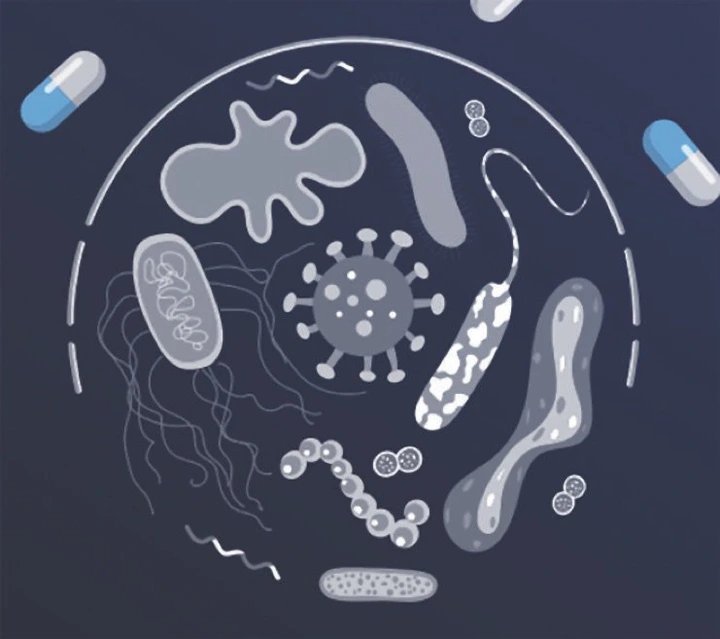
CNN-style explainer: Antimicrobial resistance (AMR) occurs when bacteria, viruses, fungi, or parasites evolve and become resistant to medications designed to kill them.
When resistance develops, antibiotics that once cured infections may become ineffective, allowing diseases to spread more easily and increasing the risk of severe illness or death.
Experts say this growing threat is already responsible for more than one million deaths globally each year and contributes to more than four million deaths annually.
Data cited from the Africa Centres for Disease Control and Prevention suggests that drug-resistant infections may now cause more deaths in Africa than the combined toll of HIV/AIDS, tuberculosis, and malaria.
Health researchers say the trend is particularly devastating in sub-Saharan Africa where fragile health systems, limited laboratory capacity, and inadequate diagnostic tools allow resistant infections to spread unchecked.
Infants and children face higher risks
The report also highlights a particularly troubling threat to newborn babies.
CNN-style explainer: In many parts of sub-Saharan Africa, neonatal infections remain a leading cause of infant mortality.
Researchers say nearly half of babies who die from neonatal sepsis in some regions may be affected by antibiotic-resistant bacteria because standard treatments no longer work.
Experts warn that resistant infections such as gonorrhea are also spreading rapidly, raising concerns that a “silent pandemic” of untreatable diseases could be emerging.
Shrinking pipeline for new antibiotics
The benchmark revealed another worrying trend: the number of antibiotic development projects by major pharmaceutical companies has declined by about 35 percent since 2021.
Analysts say this drop reflects the high cost and low financial incentives associated with developing new antibiotics.
However, the report identified a small number of promising medicines currently under development by companies including GSK, Otsuka Pharmaceutical, Shionogi, BioVersys, F2G, Innoviva, and Venatorx Pharmaceuticals.
One of the highlighted treatments is gepotidacin, an experimental antibiotic developed by GSK to treat urinary tract infections.
Medical researchers estimate that about 150 million people worldwide develop urinary tract infections each year, with more than half of women experiencing the condition at some point in their lives.
Gaps in treatment for children
The report also found major shortages of child-friendly antibiotics.
Only five antimicrobial development projects globally are specifically designed for children under five years old.
Even when pediatric antibiotic formulations exist, many are not registered or available in countries where infection risks are highest.
Researchers found that in at least 17 countries in sub-Saharan Africa, none of the companies assessed had registered pediatric antimicrobial treatments.
Health experts say this gap increases the risk of incorrect dosing or delayed treatment for children who develop serious infections.
Misuse of antibiotics worsening the crisis
CNN-style explainer: The misuse and overuse of antibiotics are major drivers of antimicrobial resistance.
In many African countries, antibiotics are often sold without prescriptions, and self-medication remains common.
Weak regulation, limited diagnostic testing, and insufficient surveillance systems make it difficult for health authorities to monitor how antibiotics are used.
Experts also warn that antibiotic pollution from pharmaceutical manufacturing can contribute to the development of resistant bacteria in the environment.
Calls for urgent action
Health experts say the fight against antimicrobial resistance will require coordinated action by governments, pharmaceutical companies, and international health agencies.
The Access to Medicine Foundation has urged African governments to strengthen national action plans, invest in laboratory infrastructure, regulate antibiotic sales, and expand access to diagnostic tools.
For countries such as Nigeria, experts say improving antibiotic regulation and ensuring access to effective medicines will be essential to preventing antimicrobial resistance from escalating into a much larger public health crisis.
Without urgent action, researchers warn that infections once easily treated with antibiotics could again become deadly — making routine surgeries, childbirth, and common illnesses far more dangerous across the continent.




