


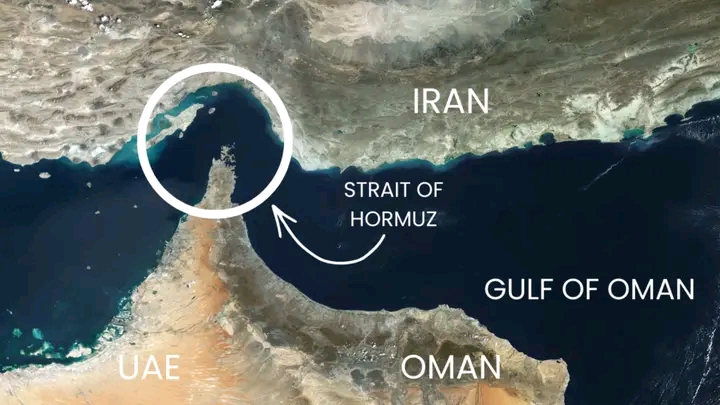
TEHRAN, IRAN — Iran has declared that it will keep the strategic Strait of Hormuz closed for as long as the United States maintains its naval blockade, escalating tensions in a crisis that is already shaking global oil markets and international trade.
The position was reaffirmed on Wednesday, April 22, 2026, at approximately 10:00 a.m., through statements from senior Iranian officials and military authorities in Tehran, as the standoff with the United States continues to intensify.
Iranian authorities insist that reopening the vital waterway is “impossible” under current conditions, arguing that the US blockade of its ports amounts to economic aggression and undermines any ceasefire arrangements.
The Strait of Hormuz is one of the world’s most critical oil transit routes, handling a significant share of global oil shipments, making any disruption a major concern for international energy markets.

In a major escalation, Iranian forces reportedly seized two cargo ships attempting to navigate the strait, accusing them of violating maritime regulations and trying to bypass restrictions.
The seizures mark a significant development in the crisis, representing one of the most direct confrontations since tensions between Iran and the United States intensified earlier in 2026.
The United States had earlier imposed a naval blockade targeting Iranian shipping routes in mid-April, aiming to restrict Iran’s oil exports and increase economic pressure on Tehran.
Analysts say the situation has effectively turned the Strait of Hormuz into a zone of high-risk military tension, with both sides enforcing rival restrictions and raising the possibility of further confrontation.
The standoff has already had global economic consequences, with oil prices rising sharply and fears growing over supply disruptions, particularly in energy-dependent regions across Asia and Europe.
Efforts at diplomatic resolution remain uncertain, as peace talks have stalled and both sides continue to exchange accusations over ceasefire violations and maritime security concerns.
Iran has maintained that any reopening of the strait will depend on the removal of the US blockade and guarantees of safe passage for its vessels, signaling that the crisis may persist in the near term.
As tensions remain high, the Strait of Hormuz continues to be a focal point of global geopolitical risk, with far-reaching implications for energy supply, international shipping, and regional stability.




