


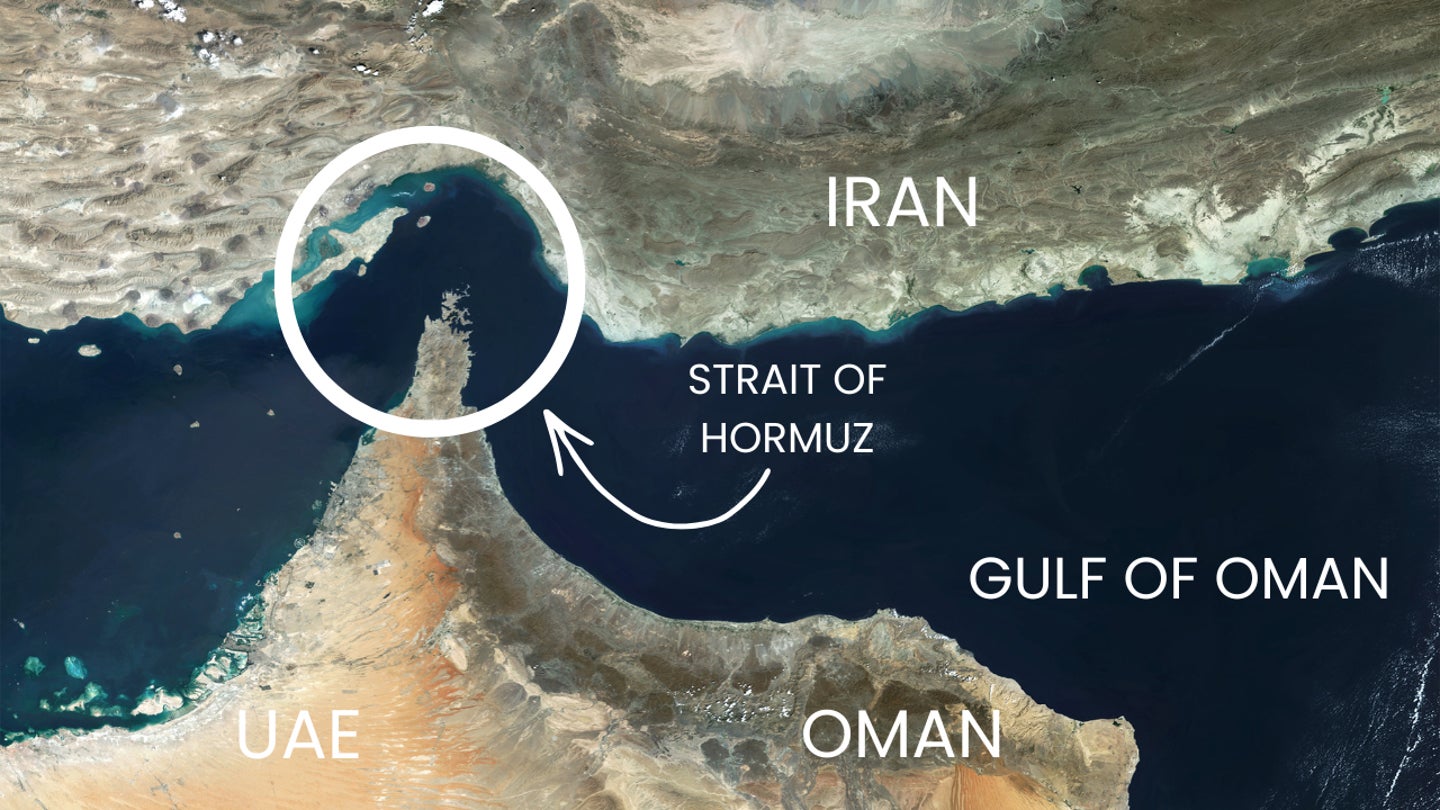
Iran says it won’t reopen the Strait of Hormuz as long as a U.S. naval blockade remains in place, even with the ceasefire still holding.
Tehran doubled down on that position on Thursday, making it clear that the waterway a critical route for global oil shipments will stay restricted until the blockade is lifted.
Around the same time, Iranian forces announced they had seized two ships attempting to pass through the strait.
The U.S. military, through United States Central Command, said it had already turned back more than 30 vessels as part of its enforcement efforts, signaling just how tense the situation remains despite the pause in fighting.

U.S. President Donald Trump had earlier said he was extending the ceasefire to give diplomacy a chance, with Pakistan trying to broker fresh talks between both sides.
Iran welcomed the mediation effort but made it clear that, in its view, the blockade undermines the idea of a true ceasefire.
Iran’s parliament speaker, Mohammad Bagher Ghalibaf, put it bluntly: a ceasefire doesn’t mean much if one side is still exerting pressure through a naval blockade.
The standoff is already rattling global markets. Oil prices jumped sharply before easing, reflecting fears that prolonged disruption in the strait could choke supply.
The passage handles roughly a fifth of the world’s oil, making any restriction a serious concern for the global economy.
Meanwhile, tensions on the water continue to rise. Iran’s Revolutionary Guards said they intercepted and redirected two vessels the MSC Francesca and the Epaminondas toward Iranian shores.
Maritime monitors also reported that at least one commercial ship came under fire, sustaining damage but no casualties.
The U.S., for its part, is trying to tighten economic pressure without returning to full-scale war, blocking ships linked to Iranian trade. Both sides, however, continue to accuse each other of violating the ceasefire.
Beyond the Gulf, the ripple effects are spreading. Violence has persisted in Lebanon despite a separate truce involving Israel and Hezbollah, underscoring how fragile the broader situation remains.




