



PORT HARCOURT, NIGERIA — A former presidential aide has called for a complete overhaul of the political structure in Rivers State, arguing that the current system is fundamentally flawed and requires a new foundation built on merit, transparency, and accountability.
The position was made public on Tuesday, April 21, 2026, at approximately 2:15 p.m., during a political discourse session held in Port Harcourt, where stakeholders gathered to examine governance challenges and the future of politics in the oil-rich state.
According to the former aide, the existing political framework in Rivers State has failed to deliver sustainable development, largely due to entrenched interests, lack of internal democracy, and a system that prioritises loyalty over competence. He argued that these issues have weakened institutions and limited the effectiveness of governance.
He stressed that a new political foundation must prioritise merit-based leadership, where individuals are selected based on competence and track record rather than political allegiance. Such a shift, he said, would improve decision-making and promote better outcomes for residents of the state.
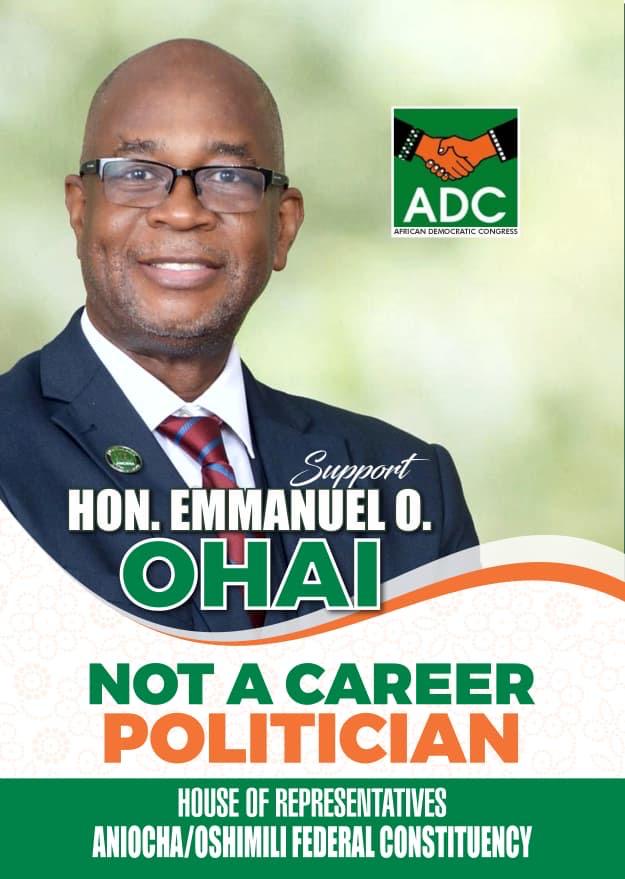
Transparency was also identified as a critical pillar of reform, with the former aide noting that opaque governance practices have contributed to mistrust between leaders and citizens. He called for stronger accountability mechanisms to ensure that public resources are managed effectively and in the interest of the people.
The remarks come amid ongoing political tensions in Rivers State, where power struggles and factional divisions have shaped the political landscape in recent years. Analysts say such dynamics have often distracted from governance and development priorities.
Participants at the event echoed similar concerns, highlighting the need for institutional reforms that can strengthen democratic processes, including credible elections, independent oversight bodies, and inclusive political participation.
The discussion also touched on the role of youth and civil society in driving political change. Speakers emphasised that meaningful reform would require active engagement from citizens, particularly young people, who represent a significant portion of the population.
Observers note that calls for restructuring political systems at the state level reflect broader national conversations about governance, accountability, and democratic consolidation in Nigeria.
As debates continue, the proposal for a new political foundation in Rivers State is expected to generate further discussion among policymakers, political actors, and the public, particularly as the country gradually moves toward the next electoral cycle.

