


Postpartum haemorrhage (PPH), a condition involving excessive bleeding after childbirth, remains one of the leading causes of maternal deaths globally, with health experts warning that certain pregnancy conditions significantly increase the risk.
PPH occurs when a woman loses a dangerous amount of blood after delivery. Medically, it is typically defined as blood loss of about 500 millilitres or more following vaginal delivery, or about one litre during caesarean section. The condition can occur immediately after birth or develop later within days or weeks, sometimes extending up to several weeks postpartum.
According to global health estimates, millions of women experience PPH annually, resulting in tens of thousands of maternal deaths worldwide. In countries with limited access to emergency obstetric care, including Nigeria, the condition contributes significantly to high maternal mortality rates.
High-Risk Conditions That Increase Complications
Medical experts identify several pregnancy-related factors that increase the likelihood of severe postpartum bleeding. These include uterine fibroids, multiple pregnancies such as twins or triplets, prolonged labour, anaemia, and pre-existing medical conditions that affect pregnancy outcomes.

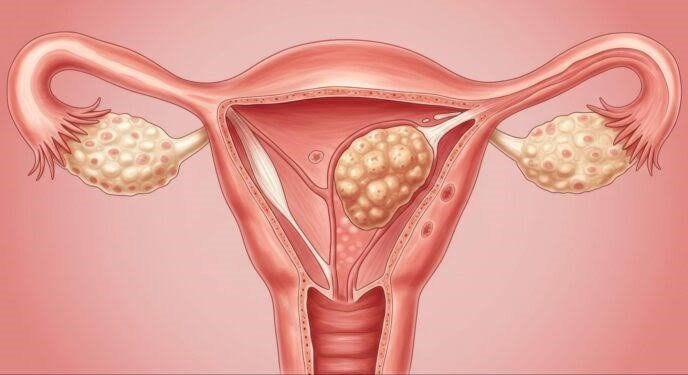
Fibroids can interfere with the uterus’ ability to contract effectively after delivery. When the womb fails to contract properly, blood vessels remain open, increasing the risk of continuous bleeding.
Multiple pregnancies also pose a higher risk because the uterus becomes overstretched. Unlike a single pregnancy, the womb expands beyond its normal capacity, which can weaken its muscle tone and reduce its ability to contract after childbirth.
Prolonged labour is another major risk factor. Extended delivery times can exhaust the uterus and reduce its efficiency, increasing the likelihood of excessive bleeding after birth. Women who are already anaemic or physically weak are particularly vulnerable to complications.
Understanding the Medical Causes
Health specialists explain that postpartum haemorrhage is commonly assessed through four key causes often used in clinical practice. These include poor uterine contraction, retained placental tissue, trauma during childbirth, and blood clotting disorders.
Uterine atony, where the womb fails to contract effectively after delivery, is considered the most common cause. Retained tissue, such as fragments of the placenta, can also prevent proper healing and trigger ongoing bleeding.
In some cases, injuries to the cervix, vagina, or uterus during childbirth may lead to severe blood loss. Blood clotting disorders, where the body is unable to form clots efficiently, further worsen the condition.
Maternal Health Risks and Contributing Factors
Experts warn that conditions such as high blood pressure, gestational diabetes, abnormal bleeding during pregnancy, and delivery of unusually large babies can further increase the risk of postpartum haemorrhage.
Delayed access to skilled healthcare remains a major concern, especially in communities where many women still deliver outside properly equipped medical facilities.
Unattended or poorly managed labour increases the risk of complications, particularly when emergency obstetric care is not readily available.
Preventable but Deadly Condition
Health professionals stress that most postpartum haemorrhage-related deaths are preventable when risk factors are identified early and deliveries take place in properly equipped health facilities with trained medical personnel.
They also highlight the importance of antenatal care in detecting high-risk pregnancies early and ensuring that women are closely monitored during delivery.
Strengthening primary healthcare systems, improving emergency referral services, and increasing awareness about safe delivery practices are seen as key strategies to reducing maternal deaths linked to postpartum haemorrhage.
Conclusion
Although postpartum haemorrhage remains a major global maternal health challenge, experts maintain that early detection of risk factors such as fibroids, multiple pregnancies, and prolonged labour, combined with skilled birth attendance, can significantly reduce complications and save lives.




