


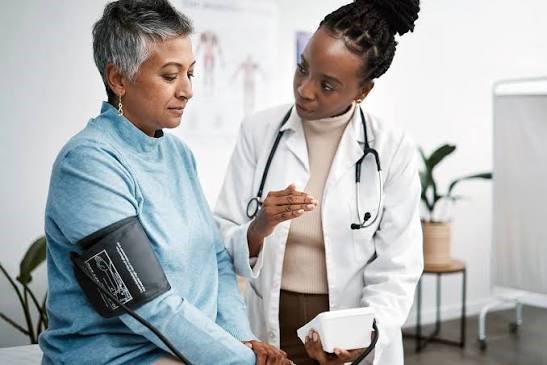
High blood pressure, also known as hypertension, is a serious health condition that can quietly damage the body for years without obvious symptoms.
Often described as a “silent killer,” hypertension may affect the heart, brain, kidneys and eyes. Many people only discover they have high blood pressure after a routine blood pressure check or when complications develop.
This is why regular blood pressure monitoring remains important. While hypertension usually has no clear warning signs, extremely high blood pressure accompanied by certain symptoms may signal a medical emergency.
What Is High Blood Pressure?
Blood pressure measures the force of blood pushing against the walls of the arteries.

According to the US Centers for Disease Control and Prevention, blood pressure that is consistently at or above 130/80 mm Hg is considered high under current US guidelines.
However, a single high reading does not always confirm hypertension. A healthcare professional may need repeated readings and further assessment before making a diagnosis.
10 Warning Signs That Require Medical Attention
1. Chest Pain
Chest pain should never be ignored, particularly when it occurs alongside extremely high blood pressure.
It may indicate that the heart or blood vessels are under serious strain. Sudden or severe chest pain requires urgent medical assessment.
2. Shortness of Breath
Difficulty breathing or feeling unusually short of breath may be a warning sign of a serious heart or lung problem.
When blood pressure is above 180/120 mm Hg and shortness of breath is present, urgent emergency care is needed.
3. Sudden Vision Changes
Blurred vision or a sudden change in eyesight can occur during a hypertensive emergency.
Very high blood pressure can affect blood vessels linked to the eyes and other organs. Sudden vision changes should be treated seriously.
4. Numbness
Sudden numbness, especially when blood pressure is extremely high, may indicate a serious neurological problem.
A person experiencing sudden numbness should seek emergency medical help rather than waiting for the symptom to disappear.
5. Sudden Weakness
Unexpected weakness can be a warning sign of a medical emergency.
When weakness occurs with severely elevated blood pressure, it may signal possible damage affecting the brain or other vital organs.
6. Difficulty Speaking
Sudden difficulty speaking, slurred speech or problems communicating clearly require immediate medical attention.
These symptoms can be associated with stroke and should never be ignored.
7. Severe Back Pain
Sudden or unusual back pain can be concerning when it occurs alongside dangerously high blood pressure.
Emergency assessment is important because severe blood pressure elevations can be associated with life-threatening blood vessel problems.
8. Severe Headache
A headache alone does not prove that someone has hypertension. Most people with high blood pressure experience no symptoms.
However, a sudden or severe headache, particularly with very high blood pressure or other concerning symptoms, should be medically assessed urgently.
9. Sudden Confusion or Loss of Consciousness
Confusion, unusual changes in awareness or loss of consciousness can indicate a serious medical emergency.
Extremely high blood pressure can be linked to severe complications involving the brain and other organs.
10. A Blood Pressure Reading Above 180/120 mm Hg With Symptoms
One of the clearest warning signs is a blood pressure reading higher than 180/120 mm Hg accompanied by symptoms such as chest pain, breathing difficulty, numbness, weakness, vision changes or difficulty speaking.
This may be a hypertensive emergency and requires immediate emergency medical care.
Why High Blood Pressure Is Dangerous
Uncontrolled high blood pressure can gradually damage blood vessels and vital organs.
Over time, it can increase the risk of heart disease, stroke, kidney problems and damage to the eyes.
The major danger is that a person may feel completely healthy while high blood pressure continues to cause harm.
Who Is at Risk?
Several factors can increase the risk of developing high blood pressure. These include an unhealthy diet, excessive salt intake, physical inactivity, smoking, excess body weight and poor sleep.
Age, family history and certain health conditions may also affect a person’s risk.
However, high blood pressure can affect people across different age groups, making regular checks important even for people who feel healthy.
How to Protect Yourself
People can take steps to support healthy blood pressure by eating a balanced diet, reducing excess sodium, exercising regularly, maintaining a healthy weight and avoiding smoking.
Anyone already diagnosed with hypertension should follow the treatment plan provided by a qualified healthcare professional and should not stop prescribed medication without medical advice.
Regular blood pressure checks are also essential because measuring blood pressure is the only reliable way to know whether it is high.
When to Seek Emergency Help
If a blood pressure reading is higher than 180/120 mm Hg, wait at least one minute and check it again.
If the second reading remains extremely high and the person has chest pain, shortness of breath, back pain, numbness, weakness, vision changes or difficulty speaking, emergency medical care is needed immediately.
Final Thoughts
High blood pressure should not be judged by symptoms alone. In many cases, there are no warning signs until serious complications occur.
Knowing your blood pressure numbers, getting regular checks and following medical advice can help reduce the risk of severe health problems.
Disclaimer: This article is for general health information and does not replace professional medical diagnosis or treatment.




