


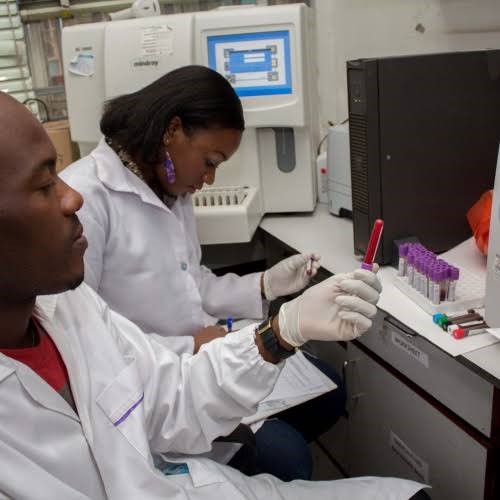
Global health agencies are continuing to strengthen surveillance systems and international cooperation as they monitor emerging infectious disease outbreaks in different parts of the world. Public health experts say early detection and rapid response remain essential to limiting the spread of infectious diseases and protecting communities.
Organizations including the World Health Organization (WHO) and national public health authorities work closely with governments, laboratories, and healthcare providers to identify new disease threats, track outbreaks, and coordinate response efforts when needed.
Why Disease Surveillance Matters
Disease surveillance is the continuous collection, analysis, and sharing of health information to identify unusual disease patterns as early as possible.
Health experts say effective surveillance allows authorities to detect outbreaks quickly, investigate their causes, and implement public health measures that can reduce transmission and protect vulnerable populations.

Modern surveillance systems combine laboratory testing, hospital reporting, field investigations, and international data sharing to monitor diseases across borders.
Emerging Infectious Diseases Remain a Global Concern
Researchers note that new infectious diseases can emerge for several reasons, including changes in human behavior, environmental factors, international travel, urbanization, and interactions between humans and animals.
Some known diseases may also re-emerge in areas where they were previously under control, highlighting the need for continuous monitoring.
Health agencies emphasize that detecting an outbreak does not necessarily mean it will become a widespread epidemic or pandemic. Early identification often allows public health officials to contain disease transmission more effectively.
How Health Agencies Respond
When unusual disease activity is detected, public health authorities may take several steps, including:
- Investigating reported cases
- Confirming infections through laboratory testing
- Identifying possible sources of transmission
- Monitoring close contacts when appropriate
- Providing guidance to healthcare providers
- Sharing updates with international health partners
- Supporting affected communities with medical resources
These measures are designed to reduce the spread of disease while protecting public health.
The Role of International Cooperation
Experts say international collaboration is essential because infectious diseases can cross national borders through travel and trade.
Countries routinely exchange scientific data, laboratory findings, and epidemiological information to improve global preparedness and coordinate responses to potential health threats.
Global partnerships also support vaccine research, diagnostic testing, and the development of treatment strategies for emerging diseases.
How Individuals Can Help Reduce Risk
Health professionals encourage people to follow basic infection prevention practices, including:
- Wash hands regularly with soap and water.
- Stay up to date with recommended vaccinations where available.
- Cover coughs and sneezes with a tissue or elbow.
- Stay home when experiencing symptoms of contagious illness if advised by healthcare providers.
- Seek medical care if experiencing persistent or severe symptoms.
- Follow guidance issued by local public health authorities during outbreaks.
Experts stress that these preventive measures help reduce the spread of many infectious diseases, not just newly emerging ones.
Ongoing Research and Preparedness
Scientists around the world continue to study emerging pathogens to better understand how diseases spread and how they can be prevented or treated.
Researchers are also developing improved diagnostic tools, vaccines, and surveillance technologies that may strengthen future outbreak responses.
Health agencies regularly review preparedness plans and conduct training exercises to ensure healthcare systems can respond effectively to new public health emergencies.
Looking Ahead
Public health experts say emerging infectious diseases will remain an important global health challenge, making continued surveillance and international cooperation essential.
While health agencies continue to monitor new outbreaks, experts emphasize that public awareness, timely reporting, scientific research, and coordinated public health action remain the strongest tools for detecting disease threats early and reducing their impact on communities worldwide.




