


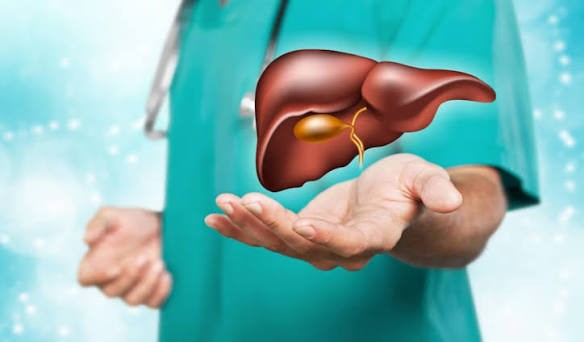
The liver is one of the body’s most important organs, performing hundreds of essential functions that support overall health. From filtering toxins to producing proteins and aiding digestion, the liver plays a critical role in keeping the body functioning properly. Health experts warn that liver disease is becoming increasingly common, but many cases can be prevented through healthy lifestyle choices and early medical care.
Medical professionals are encouraging people to take proactive steps to protect their liver by maintaining a balanced diet, limiting alcohol intake and seeking regular health check-ups.
Understanding the Liver’s Role
The liver is located in the upper right side of the abdomen and performs several essential functions, including:
- Filtering harmful substances from the blood
- Producing bile to aid digestion
- Storing vitamins and minerals
- Regulating blood sugar levels
- Producing proteins needed for blood clotting
- Supporting the body’s immune system
Because the liver can continue working even when damaged, many liver diseases develop silently during their early stages.

Common Liver Diseases
Several conditions can affect liver health, including:
- Fatty liver disease
- Hepatitis
- Liver cirrhosis
- Liver cancer
- Alcohol-related liver disease
- Drug-induced liver injury
Early diagnosis is important to prevent permanent liver damage and improve treatment outcomes.
Warning Signs of Liver Disease
Although liver disease may not cause symptoms in its early stages, warning signs can include:
- Yellowing of the skin and eyes (jaundice)
- Persistent fatigue
- Loss of appetite
- Nausea and vomiting
- Pain or swelling in the upper abdomen
- Dark-coloured urine
- Pale stools
- Swelling in the legs or ankles
- Unexplained weight loss
Anyone experiencing these symptoms should seek prompt medical evaluation.
Risk Factors
Health experts identify several factors that increase the risk of liver disease, including:
- Excessive alcohol consumption
- Obesity
- Type 2 diabetes
- Viral hepatitis infections
- Smoking
- Unhealthy diet
- Long-term misuse of certain medications
- Exposure to harmful chemicals
Managing these risk factors can significantly reduce the likelihood of developing liver disease.
Protecting Liver Health
Doctors recommend several healthy habits to maintain a healthy liver:
- Eat a balanced diet rich in fruits, vegetables and whole grains.
- Maintain a healthy body weight.
- Exercise regularly.
- Limit or avoid alcohol consumption.
- Avoid smoking and recreational drug use.
- Take medications only as prescribed.
- Practise good hygiene to reduce the risk of viral hepatitis.
- Receive recommended vaccinations against hepatitis where appropriate.
These preventive measures also benefit overall health.
The Importance of Regular Health Screening
Routine medical check-ups can help identify liver problems before symptoms appear. Healthcare providers may recommend blood tests, imaging scans or other assessments for people with risk factors such as obesity, diabetes or chronic alcohol use.
Early treatment can slow disease progression and improve long-term outcomes.
Raising Public Awareness
Health organisations continue to promote liver health education through campaigns that encourage healthy lifestyles, hepatitis prevention and regular medical screening. Public awareness is essential for reducing the burden of liver disease and encouraging timely access to healthcare.
Conclusion
The liver performs essential functions that support nearly every part of the body, making its health a priority. By maintaining a balanced diet, exercising regularly, avoiding excessive alcohol consumption and attending routine health screenings, individuals can reduce their risk of liver disease and protect their long-term well-being. Health experts agree that prevention and early detection remain the most effective strategies for maintaining a healthy liver.




