


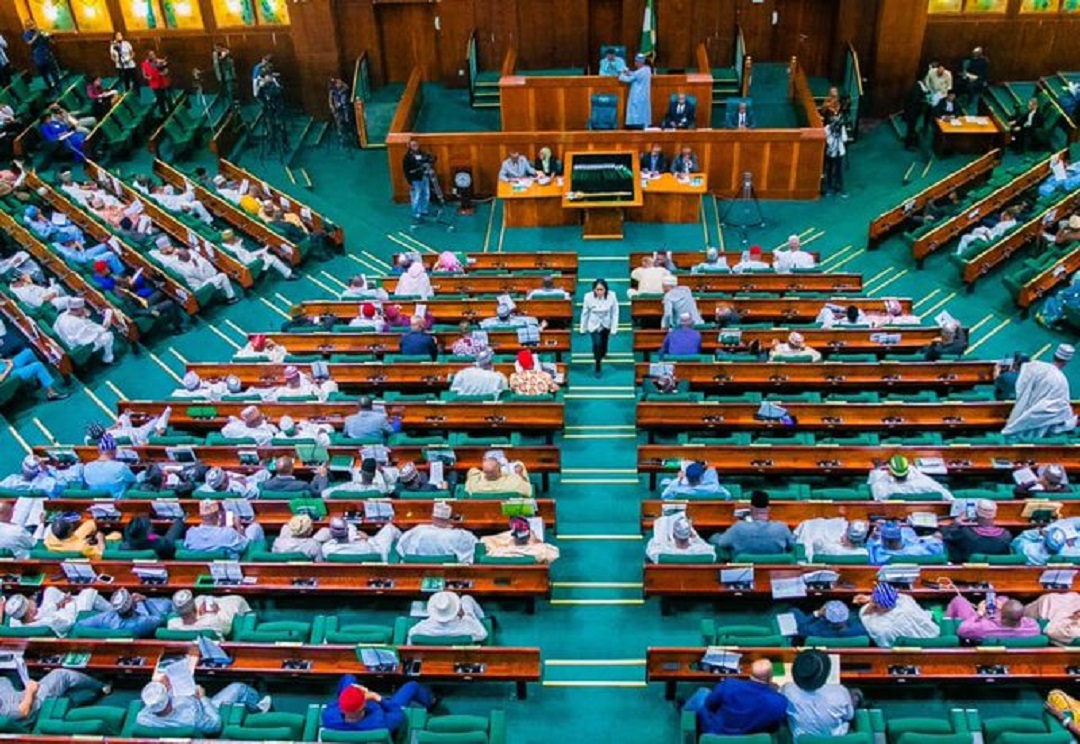
ABUJA, Nigeria — Nigeria’s House of Representatives has declared the appointment letter presented by Adeniyi Adeyemi, who claims to be the Director-General of the Presidential Foreign Intervention Promotion Council (PFIPC), to be fake, as lawmakers intensify their investigation into the controversial agency.
The House ad hoc committee investigating the establishment and operations of the PFIPC announced the finding on Wednesday during the continuation of its public hearing in Abuja. Committee Chairman Yusuf Gagdi said multiple government institutions had confirmed that the appointment letter submitted by Adeyemi was not authentic.
Gagdi also disclosed that the Head of the Civil Service of the Federation, Esther Walson-Jack, who appeared before the committee for a second time, admitted that the documents presented by Adeyemi to secure official recognition were fraudulent. According to the lawmaker, the Act establishing the council, which was submitted to the Office of the Head of the Civil Service, was also found to have been forged.
“It was established that the so-called letter of appointment was fake, confirmed by different agencies, and the Act presented to the Head of Service was equally fake, forged by the DG,” Gagdi told the hearing.

Wednesday’s session was attended by senior police officers, including Deputy Commissioner of Police Olufemi Akinola and Assistant Commissioner of Police Bashir Abdullahi, who represented the Inspector-General of Police. Adeyemi, however, failed to appear before the committee despite earlier directives requiring his presence.
The latest development follows an earlier decision by the committee ordering the Inspector-General of Police to produce Adeyemi within 48 hours after lawmakers described the creation and operation of the PFIPC as a serious breach of due process. The investigation also comes after questions were raised over the council’s legal status and the inclusion of ₦1.3 billion for the agency in the 2026 Appropriation Act.
Lawmakers say the ongoing probe is aimed at establishing how the disputed council secured official recognition and budgetary allocations despite concerns about the authenticity of its founding documents. The committee is expected to continue its investigation as it seeks to determine whether criminal offences, including forgery and misrepresentation, were committed and to recommend appropriate actions.




